The United States and Iran have concluded the first round of high-level negotiations in Switzerland with mediators reporting “major progress” and setting a 60-day timetable for a possible final agreement under the emerging US-Iran Deal framework aimed at easing regional tensions and ending months of conflict.
Key Highlights:
- Mediators set a 60-day deadline for a final US-Iran Deal agreement
- Talks held in Switzerland with Qatar and Pakistan acting as facilitators
- Framework includes security coordination and de-escalation measures in Lebanon
- Proposed reopening of the Strait of Hormuz for commercial shipping
- Discussion of lifting certain sanctions and releasing frozen Iranian assets
- Continued tensions linked to Lebanon conflict and Hezbollah operations

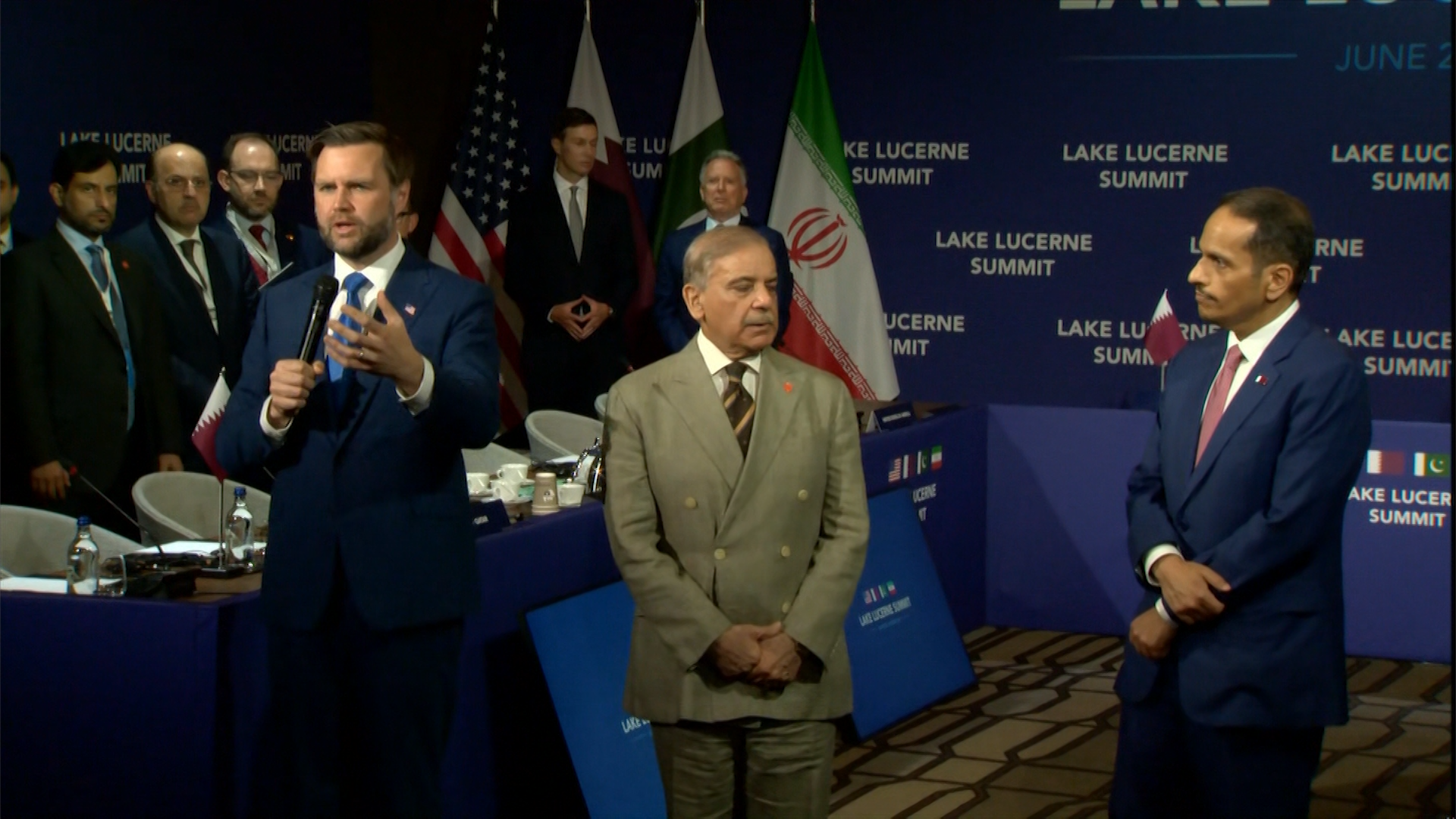
The talks, held in the Swiss city of Lucerne and mediated by Qatar and Pakistan, ended early Monday with both sides agreeing to continue technical-level discussions after senior negotiators left the venue.
In a joint statement, the mediators confirmed that a newly formed High-Level Committee had agreed on a structured 60-day roadmap aimed at producing a comprehensive peace accord under the evolving US-Iran Deal process.
Iran’s Foreign Minister, Seyed Abbas Araghchi, described the outcome as a major step forward, especially in relation to efforts to reduce hostilities in Lebanon.
“Pakistani and Qatari mediation has delivered major progress to end the Lebanon war,” Araghchi wrote on social media.
He said a memorandum of understanding signed earlier provides for the reopening of the Strait of Hormuz, easing of certain blockades, partial release of frozen Iranian assets, limited waivers on oil and petrochemical exports, and a reconstruction programme for Iran.
As part of confidence-building measures, the mediators announced the establishment of a direct communication channel designed to prevent military incidents and ensure safe passage of commercial vessels through the Strait of Hormuz, a critical global energy route.
A “de-confliction cell” involving the United States, Iran, and Lebanon is also expected to be set up, with Qatar and Pakistan acting as facilitators to reduce military escalation in southern Lebanon.
Despite diplomatic movement, tensions remain high on multiple fronts. Before the talks, US President Donald Trump warned Iran to restrain Hezbollah or face renewed military action.
“Iran must immediately stop their highly paid proxies in Lebanon from causing trouble,” Trump posted on social media, adding that Washington would “hit Iran very hard again” if attacks continued.
Iran’s chief negotiator, Mohammad Bagher Ghalibaf, rejected the warning and maintained that Tehran would not be pressured.
“If their threats had any effect, they wouldn’t be in this desperate situation today,” he said. “No matter how much they talk, it is we who take action.”
US Vice-President JD Vance, who led the American delegation, said President Trump had directed negotiators to pursue a reset in relations with Tehran under the US-Iran Deal discussions.
He added that Washington is open to reshaping relations if Iran abandons what it calls support for regional instability and nuclear weapons ambitions.
Read also:
- Israeli Releases Leaked Iran-US MOU In Peace Deal
- Oil Prices Drop As US-Iran Peace Deal Raises Hopes
- Oil prices fall sharply over hopes of US-Iran peace deal
Iran continues to maintain that its nuclear programme is strictly for peaceful civilian use. While the negotiations signal cautious progress, ongoing violence in Lebanon continues to strain diplomatic efforts. Despite a ceasefire announcement between Israel and Hezbollah, sporadic clashes and airstrikes have persisted, with rising casualties reported by Lebanese authorities.
Israeli Prime Minister Benjamin Netanyahu has said Israeli forces will remain in southern Lebanon as long as necessary, while Hezbollah leader Naim Qassem has rejected any continued Israeli military presence.
The wider negotiations also cover Iran’s nuclear programme, one of the most sensitive issues in the proposed US-Iran Deal.