By Adebisi Victoria Kehinde
The rising cost of food has become one of the most pressing challenges facing Nigerians today. Across the country, families are struggling to afford basic food items as prices continue to increase at an alarming rate. What was once considered an ordinary household expense has now become a daily burden for millions of citizens.

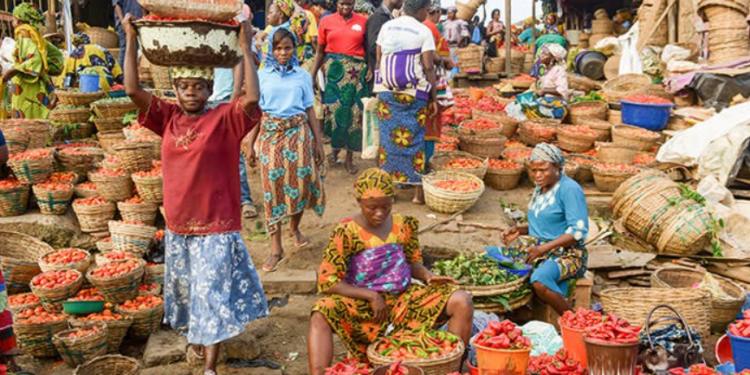
In markets across Nigeria, the prices of rice, beans, garri, yam, maize, cooking oil, tomatoes, and other essential food items have risen significantly. For many families, purchasing enough food to meet their daily needs has become increasingly difficult. As a result, some households are reducing the number of meals they eat each day, while others are forced to settle for less nutritious alternatives.
The impact of rising food prices extends beyond hunger. Poor nutrition weakens the immune system and increases the risk of illness, particularly among children, pregnant women, and the elderly. When families cannot afford healthy meals, the consequences can include malnutrition, poor health outcomes, and reduced productivity.
Farmers, who play a crucial role in ensuring food security, are also facing numerous challenges. Insecurity in farming communities, high transportation costs, poor road networks, and the rising cost of agricultural inputs have affected food production and distribution. These challenges contribute to shortages and further increase the prices consumers pay.
The growing hunger crisis has serious social and economic implications. Children who attend school on empty stomachs may struggle to concentrate and perform well academically. Workers facing food insecurity may experience reduced productivity. In the long term, widespread hunger can hinder national development and deepen poverty.
Read Also:
- Bleak Sallah awaits Nigerians over skyrocketing prices of ram, foodstuffs, cooking gas
- ADC attacks Tinubu over rising debt, labels Nigerian Economy a ‘Ponzi Scheme’
- The Cost of Empty Stomachs: How Poverty Is Reshaping Security in Nigeria
Government intervention is urgently needed to address this challenge. Policies that support farmers, improve security in agricultural areas, strengthen transportation infrastructure, and reduce the cost of food production should be prioritized. Social protection programs aimed at supporting vulnerable households should also be expanded.
Nigeria is blessed with vast agricultural resources and a hardworking population. With the right policies and sustained commitment, the country can improve food security and ensure that every citizen has access to affordable and nutritious food.
The rising cost of food is more than an economic issue; it is a humanitarian concern that demands immediate attention. Ensuring food affordability and availability is essential to the health, well-being, and future of the nation.
Adebisi Victoria Kehinde, Community Health Practitioner | Founder, Goodness and Mercy Care Hub.