With 24 hours to the Eid-el-Kabir celebration, many Nigerian families are facing what appears to be one of the most difficult Sallah seasons in recent years, as skyrocketing prices of food items, rams, and cooking gas continue to worsen the cost-of-living crisis across the country.
Key Highlights:
- Nigerians face one of the toughest Eid al-Adha seasons in years due to rising living costs.
- Rams now sell between ₦350,000 and ₦600,000 in major cities, pricing many families out of the market.
- Traders blame inflation, fuel costs, insecurity, and transport expenses for the surge.
- Cooking gas and food prices have also spiked, deepening household financial pressure.
- Many families say they may scale down or skip traditional Salah celebrations this year.

Traditionally regarded as a season of sacrifice, sharing, and celebration among Muslims, this year’s Eid-el-Kabir is increasingly becoming a period of anxiety and frustration for millions of households already struggling with economic hardship.
Across major markets surveyed in Abuja, Lagos, Kano, Port Harcourt, and other cities, traders and buyers lamented the sharp increase in the prices of essential commodities, with many families admitting they may be unable to afford basic Sallah necessities.
Read Also:
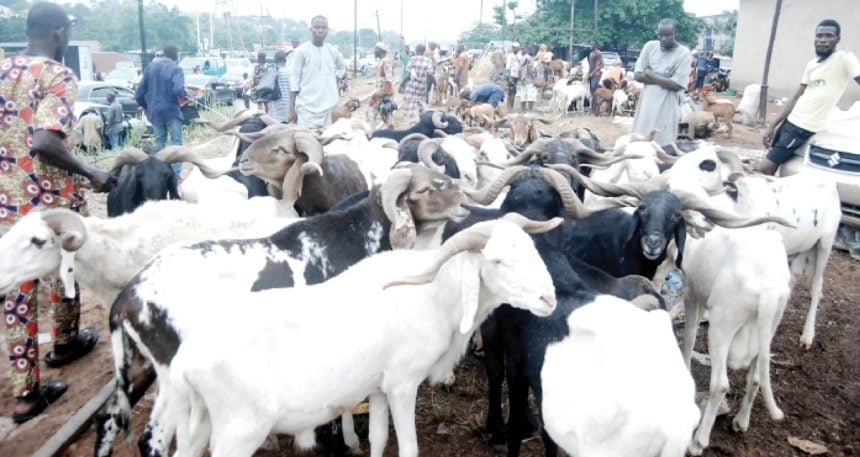
At popular livestock markets in Abuja, medium-sized rams now sell for between N350,000 and N600,000, depending on the location of the market and the size of the ram, while larger breeds cost far more, placing them beyond the reach of average income earners.
Many traders attributed the increase to insecurity, high transportation costs, inflation, and the rising cost of animal feed. A livestock dealer in Abuja, Mallam Musa Adamu, explained that transporting rams from the northern parts of the country has become increasingly expensive due to fuel costs and multiple levies on highways.
“Everything is costly now. Feeding the animals, transporting them, and even market taxes. Buyers complain, but we are also struggling,” he said.
The surge in cooking gas prices has further compounded the situation for families preparing for the celebration. Recent market checks showed that the cost of refilling a 12.5kg cylinder of cooking gas has climbed sharply, forcing many households to cut back on consumption or resort to alternative cooking methods.
Food prices have also remained unstable despite government assurances on inflation control. Staple items such as rice, tomatoes, onions, vegetable oil, pepper, and meat continue to record significant increases, leaving many Nigerians worried about how to host relatives and prepare traditional Sallah meals.
In several markets visited, residents expressed frustration over the worsening economic conditions, saying the festive atmosphere usually associated with Sallah appears largely absent this year. A civil servant in Lagos, Mrs. Zainab Ibrahim, said her family may not be able to buy a ram for the celebration for the first time in years.
“Things are very hard. School fees, transport, rent, food — everything has gone up. We may just manage whatever we can afford this year,” she lamented.
Economic analysts say the rising inflation rate, naira instability, transportation costs, and broader economic reforms continue to place pressure on household spending power. They warn that unless urgent interventions are introduced to ease inflation and improve purchasing power, many Nigerians may continue to experience severe economic strain during festive periods.
Despite the hardship, religious leaders have urged Nigerians to remain hopeful and focus on the spiritual significance of Eid-el-Kabir rather than material display. They also called on wealthy individuals, corporate organisations, and governments at all levels to support vulnerable families through food donations and humanitarian assistance during the festive season.
As preparations continue nationwide, concerns persist that this year’s Sallah may reflect not the usual celebration and abundance associated with the season, but the growing economic realities confronting ordinary Nigerians.