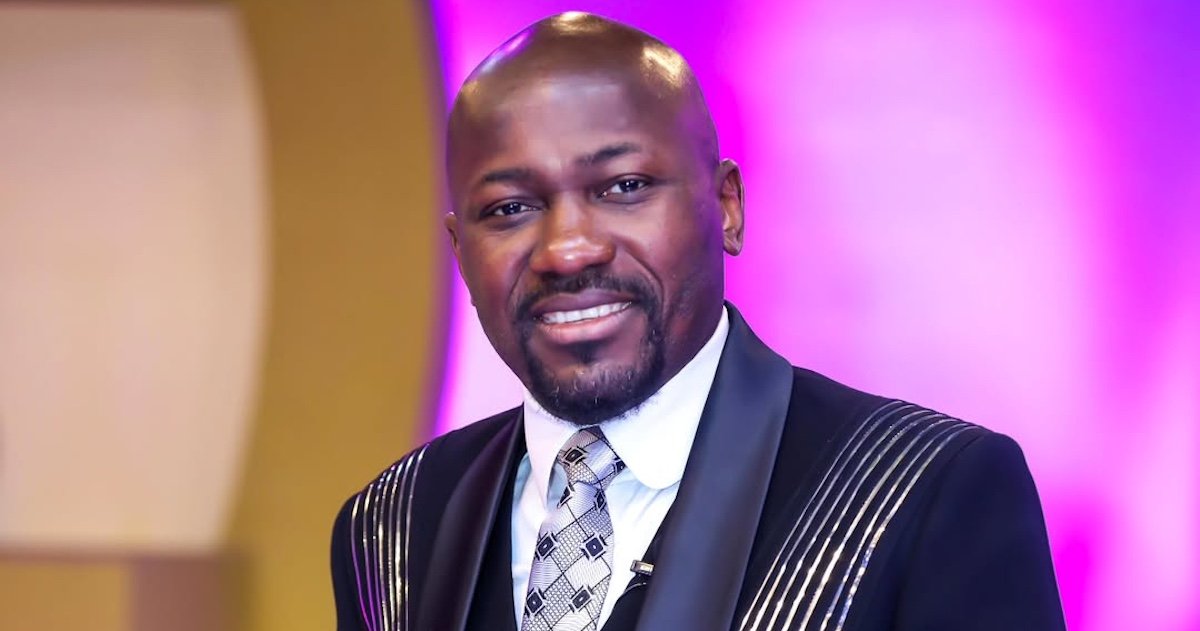
A viral video of Nigerian cleric Johnson Suleman has sparked fresh debate on taxation, governance, and public accountability, after he openly complained about increasing tax demands amid persistent infrastructure challenges.
In the widely circulated clip, the outspoken preacher expressed frustration over what he described as a heavy personal tax burden, questioning the value citizens receive in return.
Addressing what he called a common misconception, Suleman clarified that while churches may enjoy certain tax exemptions, individual pastors are not exempt from paying personal income tax.

“People don’t know pastors pay tax… They think we don’t pay. Personal income tax. I’m not talking of church tax,” he said.
He revealed that his annual tax payments run into millions of naira, adding that some clergy members reportedly pay between ₦20 million and ₦40 million yearly.
Suleman also recounted a recent encounter with tax officials, expressing surprise at a sudden increase in his tax assessment despite no noticeable change in his earnings.
“I said why? What increased in me?” he questioned.
According to him, authorities may be estimating his income based on public perception, including his visible charitable activities and lifestyle, rather than verified financial records.
Beyond the tax issue, the cleric criticised the state of infrastructure, particularly the erratic electricity supply and poor road conditions across the country.
“There is no light… The tax is paining me,” he said, linking his dissatisfaction directly to what he described as a lack of tangible benefits from the taxes paid.
Read also:
- Apostle Suleman criticizes Tinubu administration over insecurity
- Apostle Suleman blasts Dangote Cement over truck accident in Auchi
- Oyedele admits errors in Tax Reform.Acts, promises urgent fix
Drawing comparisons with experiences abroad, Suleman noted that in some countries, citizens can seek compensation for damages caused by bad roads, an accountability system he implied is lacking locally.
The video has since triggered mixed reactions online. While some Nigerians sympathised with his concerns about taxation and poor public services, others argued that the issue reflects broader systemic challenges affecting all citizens, not just high-income earners.
Suleman’s remarks have once again brought attention to the ongoing conversation around tax transparency, infrastructure development, and the relationship between citizens and the state in Nigeria.