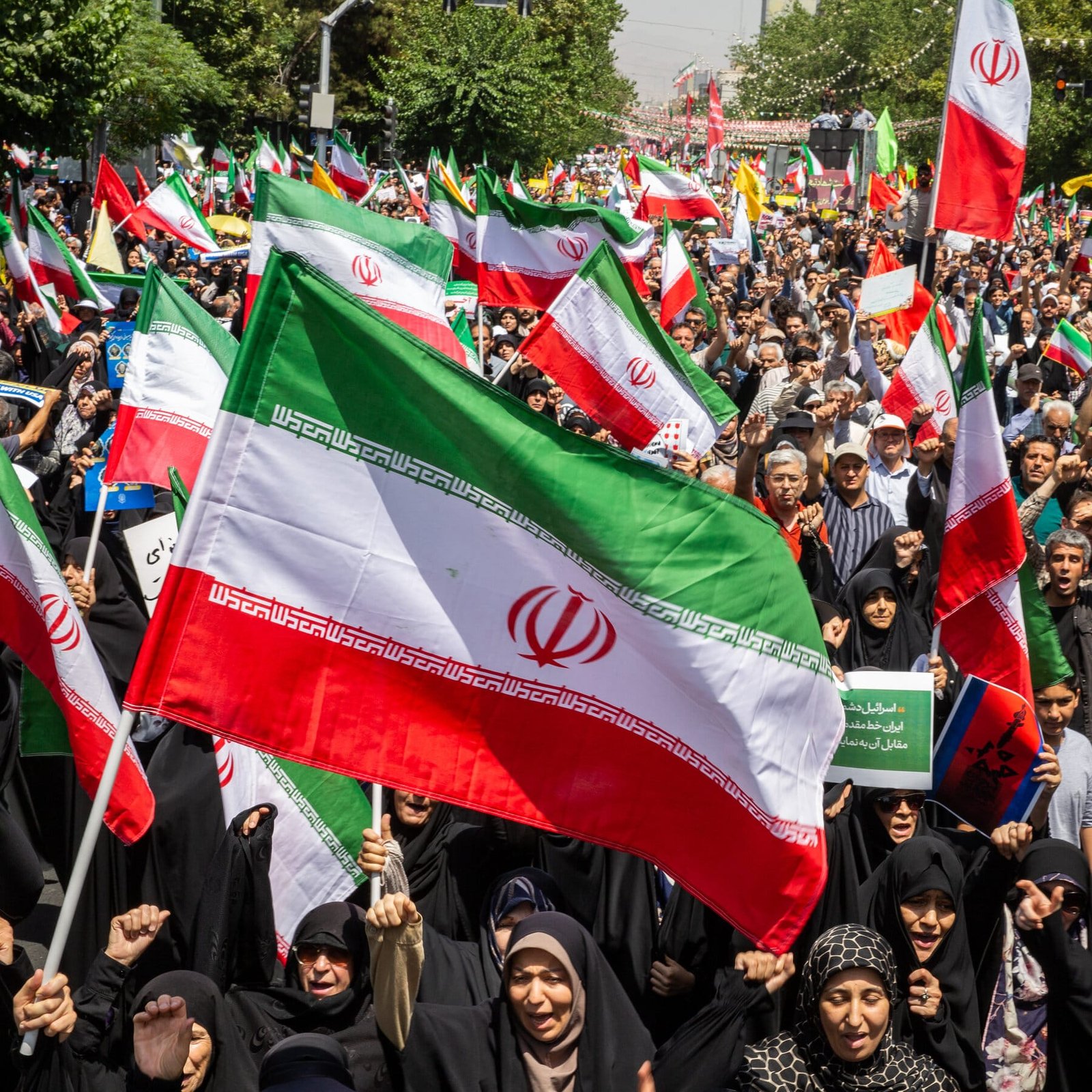
Iran has warned that it could withdraw from a temporary ceasefire deal with the United States unless Israel stops what Tehran calls ongoing violations of the agreement by continuing military operations in Lebanon, according to a report by the Iranian state‑linked Tasnim News Agency, citing an informed source.
The ceasefire, brokered in recent diplomatic efforts between Washington and Tehran, was intended to pause hostilities and open a window for negotiations after weeks of escalating conflict involving Iranian and U.S. forces.

However, the situation has been complicated by differing interpretations of the truce’s geographical scope.
Iran’s position, as relayed by Tasnim, is that the ceasefire must extend to all fronts of the conflict, including the ongoing clashes between Israeli forces and Iranian‑aligned groups in Lebanon, particularly Hezbollah.
Tehran’s source warned on Wednesday that continued Israeli strikes in Lebanon would undermine the spirit of the ceasefire and could prompt Iran to abandon the pause in hostilities.
This stance highlights a sharp divergence between Iran’s view of the ceasefire and Israel’s interpretation.
Read Also:
- Trump hails Artemis II crew after record-breaking lunar mission
- Trump warns “whole civilisation will die tonight” as US strikes Kharg Island
- Trump’s 48‑Hour Deadline Ends Today: Could ‘Hell Rain Down’ on Iran as ultimatum expires?
Israeli officials have maintained that the U.S.‑Iran ceasefire does not apply to its military campaign in Lebanon a claim underscored by Prime Minister Benjamin Netanyahu’s office, which said the truce is limited to operations involving Iran directly and does not constrain Israeli actions against Hezbollah.
The conflicting accounts emerged amid reports that Israel launched severe airstrikes in Lebanon even after the ceasefire was announced, despite Hezbollah’s adherence to the pause on its own operations.
Lebanese health authorities have reported numerous casualties and widespread displacement due to these strikes.
Iran’s warning adds fresh tension to an already fragile ceasefire arrangement, which was intended as a temporary two‑week halt in fighting to pave the way for further diplomatic engagement.
Iranian leaders have insisted that any sustainable peace must include a halt to all fronts of conflict, including Lebanon, where deep‑rooted hostilities persist.
Analysts say the dispute over the ceasefire’s scope underscores wider challenges in resolving the multifaceted Middle East conflict, where overlapping alliances, regional rivalries, and differing strategic aims complicate efforts to achieve lasting calm.