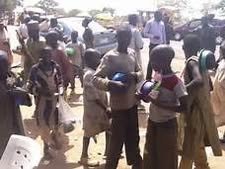
Borno State Governor, Professor Babagana Umara Zulum, has called on the African Union (AU) to strengthen its partnership with the state to return approximately 800,000 out-of-school children to classrooms. Zulum said sustained international support was crucial to expanding access to education, protecting children affected by insurgency and accelerating the state’s recovery from years of conflict.
The governor made the appeal while receiving a delegation led by the African Union Chairperson’s Special Envoy for Children Affected by Armed Conflict, Ambassador Jainaba Jagne, during a courtesy visit to the Government House in Maiduguri.

Key Highlights
- Zulum seeks African Union support to enrol about 800,000 out-of-school children in Borno State.
- The governor said the number of out-of-school children had fallen from more than two million about seven years ago.
- Borno State is investing in school reconstruction, teacher recruitment and expanded learning opportunities.
- Zulum identifies education, healthcare, nutrition and psychosocial support as priorities for children affected by insurgency.
- The governor calls for stronger primary healthcare services and improved livelihoods for mothers and vulnerable families.
- AU envoy Jainaba Jagne commends Borno’s rehabilitation efforts and says its experience could benefit other African countries.
- The AU delegation reportedly brought educational materials for more than 1,000 children and hygiene supplies for adolescent girls undergoing reintegration.
Zulum Seeks AU Intervention on Out-of-School Children
Speaking during the meeting, Zulum said the number of out-of-school children in Borno had declined from more than two million approximately seven years ago to about 800,000, a figure he has cited before.
He stressed that further progress would require sustained collaboration with development partners, particularly the African Union, to ensure that more vulnerable children gain access to formal education.
“Education is the bedrock for any meaningful development, and therefore one area that we need support from the African Union is to increase access for out-of-school children to be enrolled in schools,” the governor said.
Zulum explained that education remained central to Borno State’s transition from emergency humanitarian assistance to recovery, stabilisation and long-term development.
He said his administration had invested in rebuilding schools, recruiting teachers and expanding educational opportunities, especially for vulnerable children and girls whose education had been disrupted by insurgency.
According to the governor, protecting children requires more than immediate humanitarian intervention, as access to education and other essential services is fundamental to lasting peace and sustainable development.
Borno Prioritises Education and Reintegration of Children Affected by Insurgency
The governor identified education, psychosocial support, vocational skills development and community acceptance as essential components of efforts to rehabilitate and reintegrate children affected by armed conflict.
He reaffirmed his administration’s commitment to creating safe and inclusive learning environments in line with the principles of the Safe Schools Declaration.
The declaration seeks to strengthen the protection of students, teachers and educational facilities during armed conflict.
Zulum said sustained support from national and international partners would help address the long-term consequences of insurgency and provide affected children with opportunities to rebuild their lives.
He also emphasised the need to empower young people with practical skills that would improve their prospects of employment and participation in community development.
Zulum Calls for Improved Healthcare and Nutrition
Beyond education, the Borno governor sought African Union support to strengthen primary healthcare delivery, particularly in communities with limited access to higher-level medical facilities.
He identified trained health personnel, modern medical equipment and nutritional services as key priorities for improving child health and addressing malnutrition.
“Our children deserve better attention. The issue of malnutrition is also there among our own society,” Zulum said.
He added that improving the economic circumstances of mothers and families was essential to reducing children’s vulnerability.
According to the governor, better livelihood opportunities would help parents provide food, education, healthcare and other necessities for their children.
“Enhancing the means of livelihood of the mothers will no doubt reduce the vulnerability of the children,” he added.
Zulum reaffirmed Borno State’s readiness to work with the African Union, the Federal Government, the United Nations and other development partners on child protection, education recovery, youth empowerment and peacebuilding.
Read also:
- First Lady Gives N20m to Gombe Qur’anic Champion Maryam Dan’azumi
- Zulum Pledges Support for Medical College at Nigerian Army University, Biu
- Zulum Urges Investors To Turn Borno’s Post-Insurgency Recovery Into Economic Opportunities
AU Envoy Commends Borno’s Child Rehabilitation Efforts
Earlier, Ambassador Jainaba Jagne commended the Zulum administration for its efforts to rehabilitate and reintegrate children affected by insurgency.
She said the state’s experience could offer useful lessons to other African countries facing similar challenges involving children affected by armed conflict.
Jagne disclosed that her engagements with the First Lady of Borno State, Associate Professor Falmata Babagana Umara Zulum, as well as visits to the Bulumkutu Interim Care Centre and Muna Vocational Centre, had enabled the delegation to assess interventions supporting vulnerable children.
“We have to take back to the African Union member states the amazing work that is being done here in Borno State,” the envoy said.
She also disclosed that the delegation had brought educational materials for more than 1,000 children, alongside hygiene supplies for adolescent girls undergoing reintegration.
The visit highlights the importance of cooperation between state governments and international institutions in addressing the educational, social and psychological needs of children affected by conflict.
Borno’s Education Recovery Efforts Face Continuing Challenges
Despite the reported reduction in the number of out-of-school children, the estimated 800,000 children still outside classrooms represent a significant challenge for Borno State.
Years of insurgency have disrupted communities and access to essential services, making sustained investment in education, healthcare and social protection critical to recovery.
Zulum’s appeal for AU support underscores the need for coordinated interventions that combine school enrolment with child protection, nutrition, vocational training and family support.
Stronger collaboration between Borno State, the Federal Government, the African Union and other development partners could help expand opportunities for vulnerable children and support the state’s longer-term recovery.
For more education and North-East news, follow us on X.