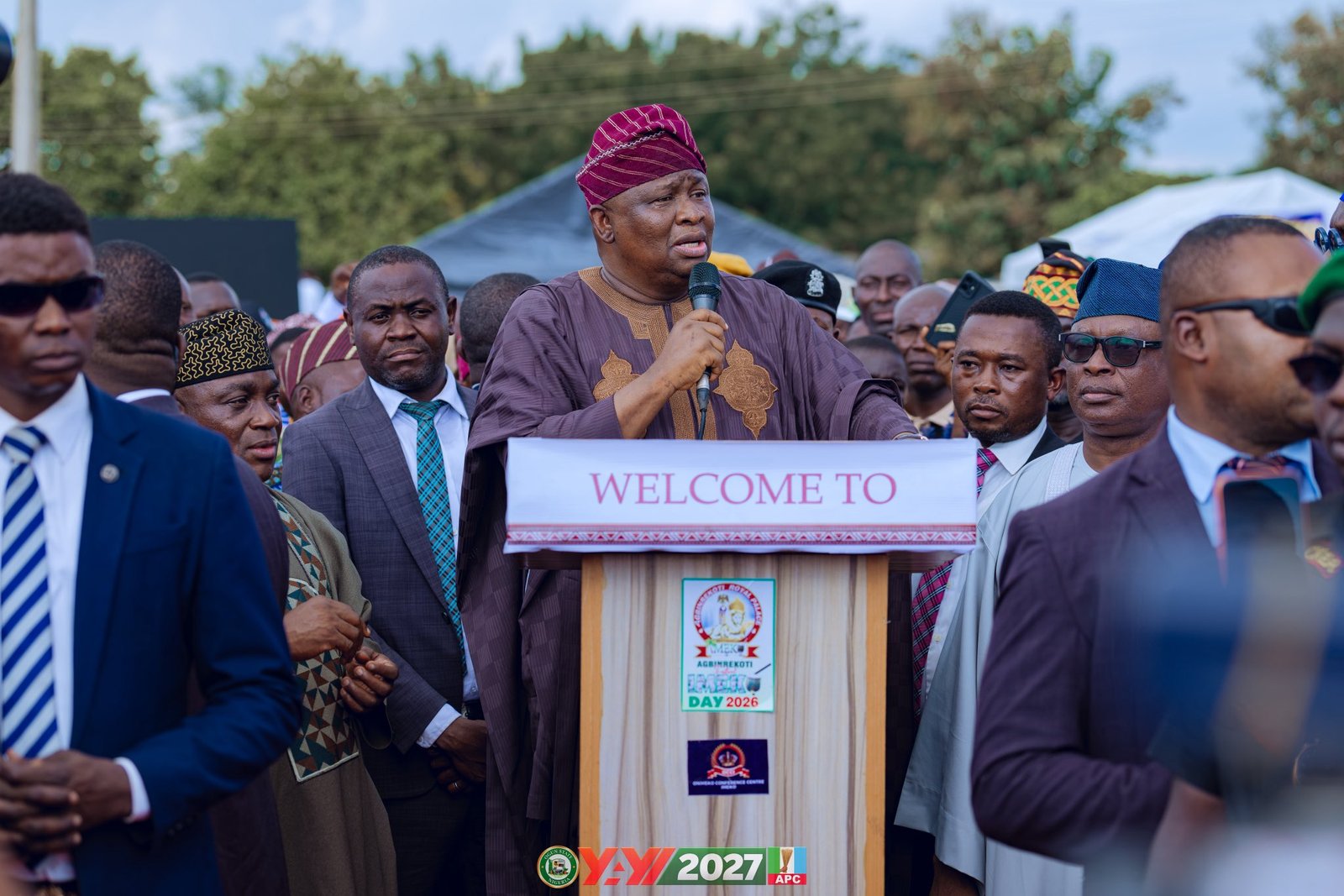
The donation of more than 100 campaign vehicles to Senator Solomon Olamilekan Adeola, popularly known as YAYI, has triggered backlash on social media, with critics questioning the priorities behind a political campaign fleet that includes an ambulance amid concerns over access to emergency healthcare and infrastructure in Ogun State.
Adeola, the All Progressives Congress (APC) governorship candidate for Ogun State in the 2027 election, disclosed the donations in a September 28, 2026 statement thanking supporters, associates and businesses for providing vehicles for his campaign and grassroots mobilisation. Reports based on the donation list put the total at 117 buses and other vehicles, while some reports have put the broader fleet at 125.

Key Highlights
- YAYI campaign vehicles have triggered debate on social media over political spending and public priorities.
- The donation includes more than 100 buses and other vehicles, including an ambulance.
- Akintunde Armstrong reportedly donated 26 buses.
- Alhaji IBD Dende donated seven buses and an ambulance.
- Several businesses and associates contributed 10 buses each.
- Critics questioned the presence of an ambulance in a campaign fleet amid concerns over emergency healthcare.
- Supporters said the donations were voluntary contributions intended for grassroots mobilisation.
- The debate comes ahead of the 2027 Ogun State governorship election.
Nigerians Question Campaign Priorities
The announcement of the vehicle donations generated critical reactions on X, with some users drawing attention to the ambulance and questioning why substantial resources were being directed towards campaign logistics.
One user wrote: “Lol for nation wey no get ambulance. Something is really wrong with Nigeria.”
Another post contrasted campaign bus donations with the availability of ambulances, asking why more resources were not being directed towards emergency medical services.
A separate user claimed to have witnessed a road accident in Ogun State where, according to the post, no government ambulance arrived for more than an hour. The user contrasted the alleged experience with the large number of branded campaign vehicles associated with the YAYI campaign.
Other critics questioned whether resources being committed to campaign mobilisation could instead support roads, healthcare facilities and other community needs.
Some reactions also linked the controversy to the broader economic difficulties facing Nigerians, questioning political spending at a time when many citizens are dealing with higher living costs.
Supporters Defend Vehicle Donations
The criticism was met with opposing reactions from supporters and other users who argued that the vehicles were voluntary contributions made by individuals and organisations to support Adeola’s political campaign.
Some defenders also pointed to Adeola’s previous constituency interventions and argued that criticism of his campaign donations should be applied consistently across political parties and candidates.
The campaign itself described the donations as a demonstration of confidence and commitment from supporters. According to reports, Adeola said the vehicles had already been deployed for grassroots mobilisation and outreach across Ogun State.
Read also:
- Seyi Makinde Says Nigeria Can Be Reset in Four Years If Elected President
- Clean Sweep In Enugu And Yobe: How APC Just Turned LG Polls Into A 2027 Warning
- Ajaero: Nigeria Has No Development Plan, Energy, Food Policies 66 Years After Independence
Who Donated the Vehicles?
Adeola’s published list named 22 individuals, groups and businesses among the donors.
Armstrong topped the list with 26 buses, while Dende contributed seven buses and an ambulance.
Zacobass Oil & Gas, Stonebridge Engineering Services Ltd, Elele Ijebu, Amazon Luxury Apartments, Mr Osho and Polanco were each listed as contributing 10 buses.
Other donors provided smaller numbers of buses and operational vehicles, including a Korope mini-bus and a pickup truck. One report’s detailed breakdown put the contribution at 107 standard buses, one Korope mini-bus and 11 other operational vehicles, including an ambulance.
The different totals reported by media organisations appear to result from how the buses and other vehicles are categorised.
Campaign Spending Debate
The controversy comes amid a wider debate over the cost of political campaigns in Nigeria ahead of the 2027 elections.
Adeola has previously received significant campaign support. In May 2026, the Yayi Progressives Movement announced a ₦1 billion campaign support fund and 27 branded buses for his governorship bid.
The latest vehicle donations have therefore drawn renewed attention to the scale of campaign mobilisation and the resources being committed to political contests.
For critics, the issue centres on whether large campaign expenditures reflect appropriate priorities in a state where citizens continue to raise concerns about public services. Supporters, however, maintain that private donations for campaign activities are part of political mobilisation and should be viewed in that context.
The debate is expected to continue as political activities gather momentum ahead of the 2027 Ogun State governorship election. For more political updates, follow us on X.