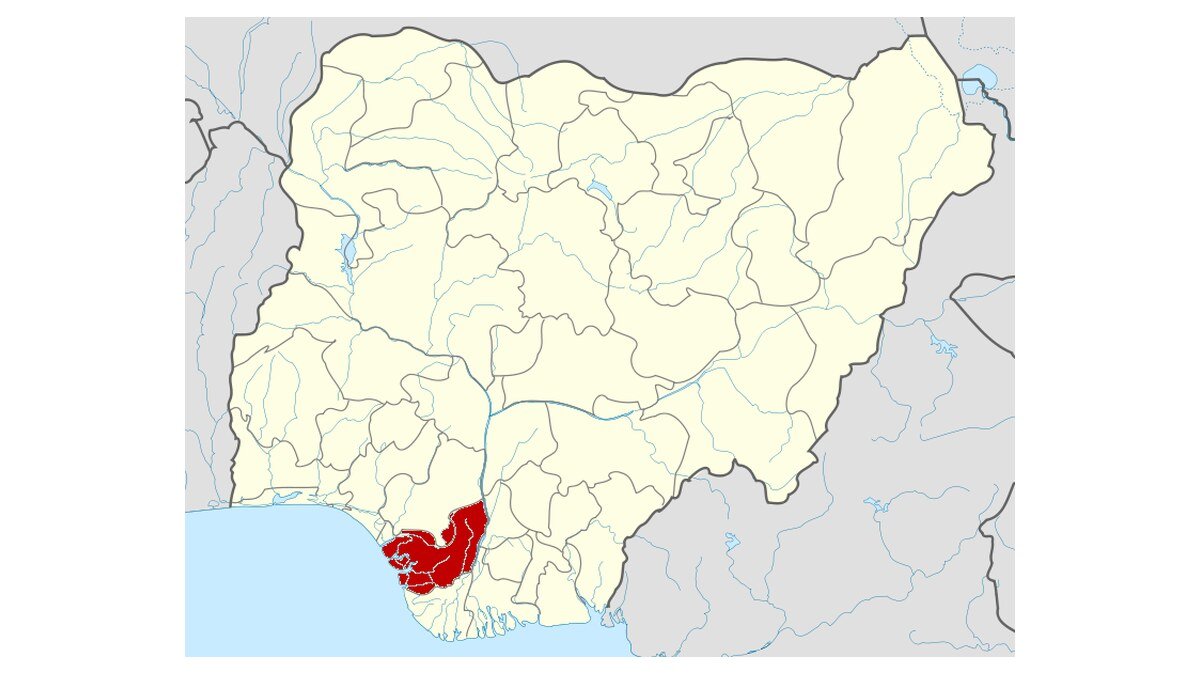
The controversy surrounding the Independent National Electoral Commission’s (INEC) ward and polling unit delineation exercise in Warri Federal Constituency, Delta State, remains unresolved, as disagreements between Itsekiri, Ijaw and Urhobo stakeholders continue to generate debate. At the centre of the dispute are proposed wards linked to Ogbe-Ijoh, Bolou-Ama and Ewein in Warri South Local Government Area, with an Itsekiri lawsuit seeking to restrain INEC from implementing aspects of its delineation report.
The dispute has also gained attention on social media, where community groups and stakeholders have continued to express opposing positions. With the 2027 general elections approaching, the pending court case and disagreements over the proposed ward structure have raised concerns about political representation, community relations and the prospects for lasting peace in the area.

Key Highlights
- An Itsekiri-led lawsuit, FHC/WR/CS/120/2026, is challenging INEC’s proposed implementation of the Warri delineation report.
- The dispute centres on ward and polling unit allocations in Warri North, Warri South and Warri South-West.
- Itsekiri stakeholders have raised concerns about alleged mapping irregularities, while Ijaw and some Urhobo leaders describe the exercise as a correction of historical underrepresentation.
- The controversy is rooted in decades of disagreements over administrative boundaries and electoral representation.
- Governor Sheriff Oborevwori and President Bola Tinubu have reportedly engaged stakeholders in efforts to reduce tensions.
- The outcome of the pending legal challenge and INEC’s next steps remain important to the resolution of the dispute ahead of the 2027 elections.
Background: Supreme Court Order and INEC’s Delineation Exercise
The controversy follows a Supreme Court judgment, delivered in December 2022, which directed INEC to conduct a fresh delineation of wards and polling units across Warri North, Warri South and Warri South-West local government areas.
The exercise was intended to address longstanding complaints about electoral representation in the three local government areas, where Itsekiri, Ijaw and Urhobo communities have expressed competing concerns over population distribution, historical settlements and political representation.
INEC subsequently conducted fieldwork and geographical information system (GIS) mapping before presenting its report to stakeholders in Asaba in May 2026.
Reports on the exercise indicated that Warri North was allocated approximately 20 wards, divided between Itsekiri- and Ijaw-dominated areas. Warri South-West was reported to have about 20 wards, with a larger allocation to Ijaw areas, while Warri South was assigned 20 wards distributed among Urhobo, Itsekiri and Ijaw communities.
The report also addressed the restoration or creation of state constituencies in line with relevant court directives. A proposed additional federal constituency was also discussed, although its establishment would require the necessary legislative process.
The delineation exercise has, however, remained controversial, with stakeholders disagreeing over the accuracy of the mapping, the composition of proposed wards and the historical basis for certain allocations.
Ogbe-Ijoh Wards at the Centre of the Dispute
One of the major flashpoints is the proposed recognition and composition of wards associated with Ogbe-Ijoh, Bolou-Ama and Ewein in Warri South.
Itsekiri leaders and youth organisations, including the Itsekiri National Youth Council, have rejected aspects of INEC’s report, alleging constitutional, technical and geographical irregularities.
Among their concerns are claims that some GIS mapping boundaries cross state or local government boundaries, the alleged inclusion of questionable polling units, and disparities in the number of polling units allocated to communities with different population sizes.
Some Itsekiri stakeholders have also questioned the historical and geographical basis for certain proposed Ijaw-associated wards, arguing that the allocations do not adequately reflect their understanding of settlement patterns and existing boundary arrangements.
They have called for a review of the report, including adjustments to some ward allocations and the removal or correction of disputed data on INEC’s portal.
On the other side, Ogbe-Ijoh and other Ijaw stakeholders have defended the proposed wards, describing them as a correction of what they consider decades of political underrepresentation.
They argue that the exercise recognises established Ijaw settlements and restores distinct electoral representation that was weakened by earlier administrative reforms.
Ogbe-Ijoh leaders have also cited historical records, including the 1955 Warri Urban District Council structure, which recognised separate wards associated with Ijaw communities.
The competing positions have made the delineation exercise a sensitive issue involving historical claims, political representation and community identity.
Historical Ward Delineation in Warri Federal Constituency
The present disagreement is rooted in decades of administrative and electoral changes that have shaped the political structure of Warri North, Warri South and Warri South-West.
In 1955, under the Western Region Laws of Nigeria No. 177, the Warri Urban District Council was established. Historical accounts cited by Ogbe-Ijoh leaders identify four autonomous electoral wards associated with Ijaw communities: Alders Town B3, Ogbe-Ijoh Ward C1, Ogbe-Ijoh Ward C2 and Government Area F1.
These wards existed alongside other sections associated with Urhobo and Itsekiri communities within the urban district.
Ogbe-Ijoh leaders have repeatedly relied on this arrangement to support their position that Ijaw communities had distinct electoral recognition in the area before subsequent administrative reforms.
The 1976 local government reforms, introduced under the military administration of General Olusegun Obasanjo, significantly changed the existing administrative structure.
According to Ogbe-Ijoh and allied accounts, previously distinct Ijaw settlements were subsequently fragmented into polling units spread across mixed wards, including Pessu, GRA, Bowen and Okere.
Ijaw and some Urhobo stakeholders argue that the changes weakened their political representation in local government administration and other elective positions.
Itsekiri stakeholders, however, maintain different historical and territorial positions concerning land ownership, settlement patterns and administrative authority in parts of Warri South.
Following the return to democratic rule in 1999, disagreements over ward boundaries and polling unit distribution continued to generate disputes and legal challenges.
The controversies eventually contributed to the Supreme Court’s December 2022 directive requiring INEC to conduct a fresh delineation exercise.
The order required a new mapping process but did not, in itself, determine ethnic ownership of particular communities or automatically assign wards to any group.
The late 1990s Ijaw-Itsekiri crisis, which involved disputes over the location of the Warri South-West Local Government Area headquarters, further deepened sensitivities surrounding land, identity and political representation.
These historical developments help explain why the 2026 INEC report has generated strong reactions across the affected communities.
Pending Itsekiri Lawsuit and Legal Implications
The legal challenge against the delineation exercise is another major dimension of the dispute.
The suit, identified as FHC/WR/CS/120/2026, was reportedly filed by Itsekiri stakeholders, including Gbubemi Awala, Jonathan Ajofotan, Sunday Asawa and Yemi Otuedon, through their lawyers, Ikomi & Ikomi Chambers.
The plaintiffs are seeking to restrain INEC from implementing the disputed delineation report and taking related steps, including actions connected to party primaries in restored constituencies in Warri North and Warri South-West.
Their arguments reportedly include concerns about constitutional provisions, fair hearing, alleged mapping irregularities and the possible implications of proceeding before outstanding objections are resolved.
The plaintiffs have also raised concerns about compliance with previous judicial decisions relating to land and boundaries.
As of the information contained in the reports cited in this article, the case remains pending, with no widely reported final ruling or confirmed next hearing date.
Earlier legal challenges relating to aspects of the Warri delineation exercise have also been decided by courts. Some attempts to stop or nullify parts of the process were dismissed, while other judicial decisions have emphasised INEC’s responsibility to comply with the Supreme Court’s directives.
The pending suit is therefore another stage in a prolonged legal and political disagreement over the implementation of the delineation exercise.
INEC’s Position and Government Interventions
INEC has maintained that its technical work on the delineation exercise has been completed.
Statements attributed to National Commissioner Mohammed Haruna indicate that the commission has been working towards implementation while considering security concerns and the need to manage stakeholder objections.
The commission has also taken steps relating to the restoration of state constituencies in Delta State in compliance with relevant court orders.
However, the full implementation of the ward report has remained sensitive amid disagreements and concerns about the safety of electoral officials.
INEC has also rejected suggestions of external political interference, maintaining that its decisions are guided by its constitutional responsibilities.
At the state level, Governor Sheriff Oborevwori has reportedly convened meetings involving representatives of the three ethnic groups, urging dialogue and restraint.
President Bola Tinubu has also hosted stakeholders as part of efforts to address the disagreement. Discussions reportedly included possible power-sharing arrangements for a proposed additional federal constituency.
Although these engagements have contributed to calls for calm, disagreements over specific ward names, boundaries and allocations, particularly in Warri South, remain unresolved.
Social Media Debate and Security Concerns
The dispute has continued to attract attention on Facebook and other social media platforms, where community groups and individuals have exchanged arguments over the historical and legal basis of the proposed wards.
While online discussions have provided a platform for stakeholders to express their positions, some exchanges have reportedly become heated, reflecting the sensitivity of the issue.
Physical protests have also taken place. Itsekiri youth groups have visited political leaders to express opposition to aspects of the report, while Ijaw-linked protests and occupations of oil facilities earlier in the year reportedly called for implementation of the delineation exercise.
Former militant leader Government Ekpemupolo, popularly known as Tompolo, has publicly called for restraint among Ijaw, Itsekiri and Urhobo communities to prevent an escalation of tensions in the Niger Delta.
The concerns are particularly significant because Warri is located within an economically strategic oil-producing region, where prolonged unrest could affect businesses, public activities and oil-related operations.
What the Dispute Means Ahead of the 2027 Elections
With the 2027 general elections approaching, the unresolved Warri ward delineation dispute presents important questions for INEC, political parties and residents of the affected communities.
A prolonged disagreement over ward boundaries and polling unit allocations could affect electoral preparations, party primaries, voter participation and public confidence in the electoral process.
The dispute also highlights the challenge of balancing historical claims, population considerations, geographical accuracy and constitutional requirements in electoral boundary decisions.
For Itsekiri stakeholders, the priority is addressing what they describe as legal and technical defects in the report. Ijaw and some Urhobo leaders, meanwhile, maintain that the exercise should correct longstanding representation concerns.
A lasting resolution will require the courts to determine the issues properly brought before them, INEC to address any verified technical concerns transparently, and political and traditional leaders to sustain dialogue.
As the legal proceedings and stakeholder engagements continue, restraint from all sides will remain important in preventing the dispute from escalating into wider communal tension.
The central issue is no longer just the number of wards allocated to each area, but how electoral boundaries can be determined in a manner that commands confidence among the communities affected.
Read more: Latest Delta State news