
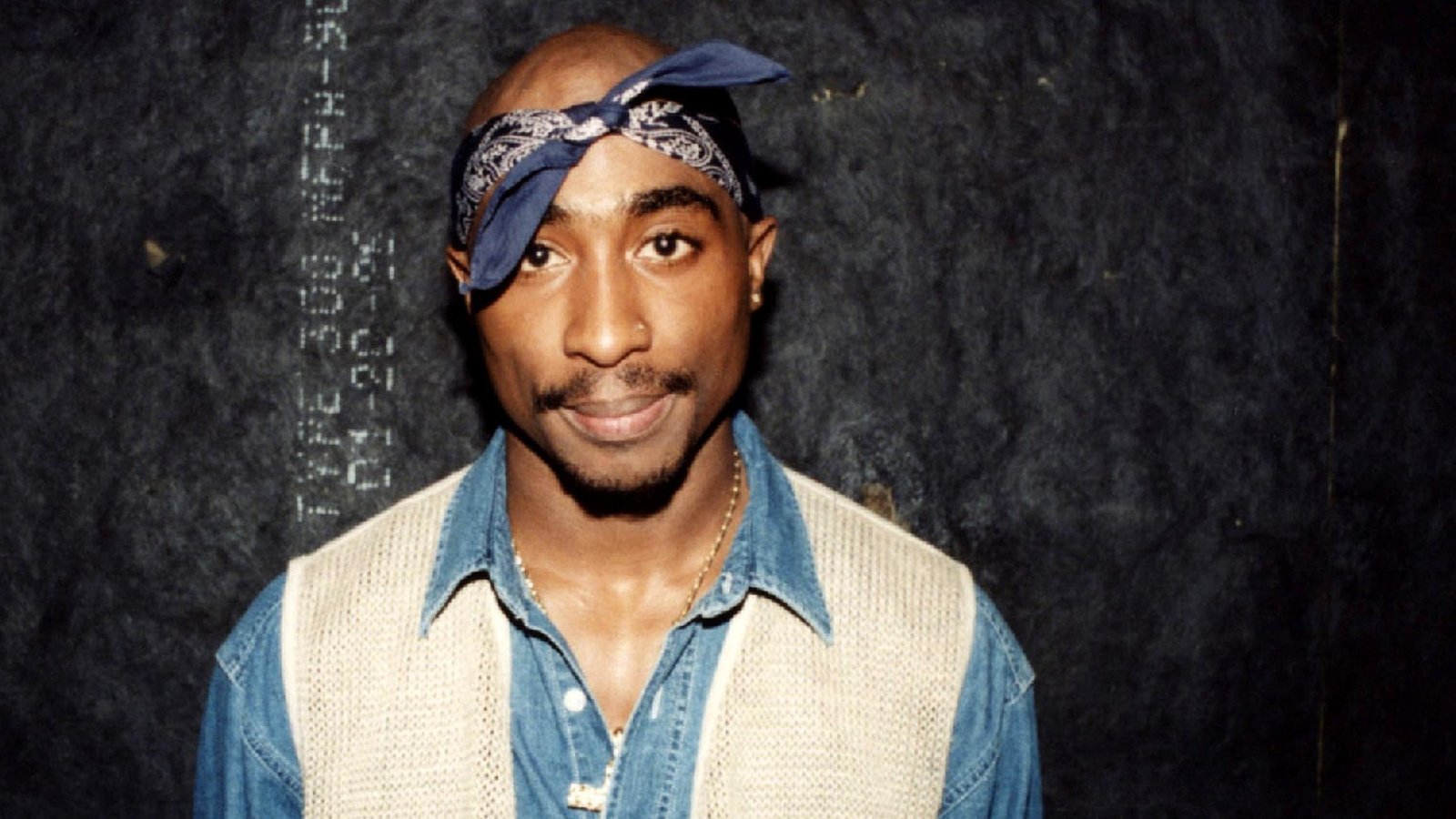
Duane “Keffe D” Davis, the man convicted of orchestrating the 1996 murder of American rap legend Tupac Shakur, has been sentenced to 40 years to life in prison, nearly three decades after the rapper was fatally shot in Las Vegas, Nevada.
Key Highlights
- Duane “Keffe D” Davis has been sentenced to 40 years to life in prison for Tupac Shakur’s murder.
- Davis was sentenced on Tuesday, October 13, 2026, following his first-degree murder conviction in August.
- Prosecutors urged the court to impose the maximum sentence, accusing Davis of attempting to profit from Shakur’s death.
- Davis’ defence lawyer said the conviction would be appealed.
- Prosecutors linked the killing to an earlier altercation involving Davis’ nephew and Shakur.
- Shakur was shot in Las Vegas on September 7, 1996, and died six days later at the age of 25.
- Davis is the first person convicted in court for the rapper’s murder, although prosecutors did not identify him as the person who fired the fatal shots.
Duane ‘Keffe D’ Davis Sentenced Over Tupac Shakur Murder
Davis was sentenced on Tuesday, October 13, following his conviction for first-degree murder in August 2026. Members of Shakur’s family attended the hearing, where prosecutors called for the maximum punishment over his alleged role in planning the killing.

Prosecutor Marc DiGiacomo argued that Davis had given the court no reason to impose a lighter sentence, accusing him of seeking to profit from the rapper’s death through public statements and other accounts of the crime.
“He’s the only one who’s trying to profit off a killing that he committed, and for that he doesn’t deserve the minimum sentence,” DiGiacomo told the court.
Davis’ lawyer, Michael Sanft, had asked the judge to impose a 40-year prison term and confirmed that the defence intended to challenge the conviction on appeal.
Before Judge Carli Kierny delivered the sentence, Shakur’s sister, Sekyiwa, and brother, Maurice, addressed the court.
How Investigators Linked Davis to Tupac’s Murder
Davis was arrested in 2023 after years of making public statements about his alleged involvement in the events surrounding Shakur’s death.
Investigators relied partly on statements Davis reportedly made in 2008 while seeking to avoid possible criminal charges. He later gave an account of the incident in a memoir published in 2019, providing details that helped advance the investigation.
However, the defence disputed the credibility of his statements, arguing that they were fabricated.
During closing arguments, Sanft dismissed Davis’ memoir as historical fiction, comparing its account to the fictional love story in the film Titanic.
Prosecutors maintained that Davis’ statements were supported by circumstantial evidence linking him to the killing.
Prosecutors Link Shooting to Earlier Altercation
According to prosecutors, the murder was connected to an altercation earlier on the day of the shooting involving Davis’ nephew, who was allegedly beaten by Shakur.
The incident reportedly intensified tensions between individuals associated with rival gangs.
Davis was described in court as a former high-ranking member of the Crips gang in Los Angeles.
Chief Deputy District Attorney Binu Palal argued that gang culture in the 1990s created pressure to retaliate against public humiliation.
“That was the nature of the gang life in the 1990s in Compton – you had no choice, you could not go back to Compton after being beaten publicly,” Palal said during closing arguments.
Prosecutors alleged that Davis organised the retaliation that ultimately led to Shakur’s shooting. Davis’ defence, however, challenged the prosecution’s account and the reliability of the statements used against him.
How Tupac Shakur Was Killed in Las Vegas
Shakur was shot multiple times while sitting in a car in Las Vegas on September 7, 1996. He died from his injuries on September 13, 1996, at the age of 25.
The rapper’s death became one of the most prominent unsolved cases in American music history, generating decades of speculation, investigations and public interest.
Although Davis was convicted of orchestrating the murder, prosecutors did not identify him as the person who fired the fatal shots.
His conviction marks a major development in the long-running case, which remained unresolved in court for nearly 30 years.
Read also:
- Las Vegas Jury Finds Keffe D’ Davis Guilty In Tupac Shakur Murder Case
- Tupac’s family files wrongful death lawsuit in LA
- Tupac’s associate Noble dies at 47
Davis Plans Appeal After Conviction
Davis’ defence has indicated that it intends to appeal the conviction, setting the stage for further legal proceedings.
The appeal could challenge aspects of the prosecution’s evidence, including the use of Davis’ previous statements and memoir in building the case against him.
For Shakur’s family, the sentencing represents a significant development in the pursuit of legal accountability for the rapper’s death. However, the case may continue through the appeals process.
Shakur remains one of hip-hop’s most influential figures, with his music and legacy continuing to attract audiences worldwide decades after his death.
For more updates on this story and other breaking news, follow us on X.