
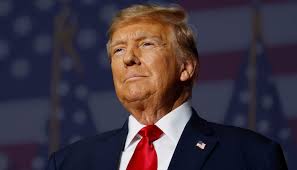
President Donald Trump has renewed his promise to pay $5,000 to every adult US citizen if Republicans retain control of Congress, but the proposed Trump Dividend faces major funding, legal and legislative hurdles.
US President Donald Trump has renewed his pledge to give adult American citizens $5,000 each if Republicans retain control of both chambers of Congress in the November 3, 2026, midterm elections. In a 33-second video posted from the Oval Office on October 12, Trump described the proposed payment as the “Trump Dividend” and presented it as a reward for the country’s economic success.

Key Highlights
- $5,000 payment promise: Trump says adult US citizens would receive $5,000 if Republicans retain control of the House and Senate.
- Midterm election condition: The proposal is tied to the November 3, 2026, elections.
- Estimated cost: Payments could cost approximately $1.2 trillion to $1.3 trillion, depending on eligibility.
- Tariff revenue questioned: Trump has pointed to tariff collections as a potential funding source, but available revenue falls far short of the estimated cost.
- Congressional approval needed: The programme would require legislative authorisation and funding.
- Republican concerns: Some Republican lawmakers have questioned how the proposal would be financed.
- Not yet approved: The Trump Dividend remains a campaign promise, not an enacted federal payment programme.
Trump Renews $5,000 Trump Dividend Promise
In the Oval Office video, Trump said the proposed payments would depend on the outcome of the midterm elections, warning that a Democratic victory would lead to higher taxes and economic decline.
“I’m going to give all adult citizens in the United States of America $5,000,” Trump said in the video.
He added that a Republican victory would bring what he described as unprecedented economic success, while arguing that Democratic policies would prevent the payments from happening.
The clip combines his Oval Office remarks with footage of political rallies, workers and other scenes before ending with a White House graphic.
Trump first announced the proposal on September 9, 2026, at a Republican Party midterm convention in Dallas. He said the government would distribute a $5,000 dividend to every adult US citizen if Republicans retained control of both chambers of Congress.
He compared the proposed payment to a corporate dividend paid to shareholders and said the money should be spent in the United States.
Trump has repeated the pledge in subsequent appearances and online posts, including an October 3 video in which he said he looked forward to signing the checks.
Trump Dividend Could Cost Up to $1.3 Trillion
The proposed payments could carry a substantial price tag for the US government.
Estimates based on approximately 240 million to 250 million eligible adult citizens put the total cost at about $1.2 trillion to $1.25 trillion. A broader eligible population could push the figure higher.
The amount would represent a major federal expenditure at a time when the United States is already managing substantial budget deficits and national debt.
Trump and members of his administration have pointed to tariff revenue and broader economic growth as potential sources of funding.
Vice President JD Vance previously suggested that the programme might exclude wealthy Americans and could be financed through tariff collections.
Trump, however, has maintained that the government is collecting enough money to afford the payments.
The proposal has prompted questions about whether tariff revenue could cover the cost without increasing borrowing or requiring other budgetary changes.
Tariff Revenue Faces Funding Questions
Although US tariff collections have increased under the current tariff regime compared with some previous periods, the revenue remains far below the amount needed to finance the proposed dividend.
The funding picture has also been complicated by legal challenges to the administration’s tariffs. The Supreme Court’s February 2026 ruling against broad tariffs imposed under the International Emergency Economic Powers Act, or IEEPA, led to refund liabilities that reduced the net revenue available from those measures.
Annual federal budget deficits have continued to run at an estimated $1.8 trillion to $2 trillion, adding to concerns about the government’s ability to finance another large-scale spending programme.
Even if tariff receipts remain above historical levels, they would not automatically provide enough money to distribute $5,000 to every eligible adult citizen.
The plan’s ultimate cost would also depend on the final eligibility rules, whether wealthy citizens were excluded and how the government structured the payments.
Read also:
- Trump $5,000 Dividend: Trump Renews Promise to Pay U.S. Adults If Republicans Win Midterms
- Trump Considers Suspending Federal Gas Tax as US Fuel Prices Surge Ahead of Midterms
- Trump Midterm Election Fight: Rising Prices Put Economy at Centre of CBS Poll
Congress Must Approve Trump Dividend Payments
The proposal faces legislative and fiscal hurdles before any money could be distributed.
A programme of this scale would require congressional authorisation and an appropriation of funds. The president cannot simply establish and finance a nationwide payment programme of this magnitude without the necessary legal and budgetary authority.
Some Republican lawmakers have expressed interest in supporting legislation, while others have questioned how the payments would be financed.
Republican Representative Chip Roy, among those reported to have raised concerns, questioned the plan’s funding. Senator Bernie Moreno has indicated support for introducing legislation related to the proposal after the election.
The positions suggest that retaining control of Congress would not, by itself, guarantee that the dividend would be approved. Lawmakers would still have to consider the programme’s cost, funding arrangements and potential economic effects.
Fiscal analysts have also warned that a large cash distribution could add to inflationary pressures or increase federal borrowing, depending on how it was financed and implemented.
Democrats Question Trump’s $5,000 Payment Pledge
Democrats have criticised the proposal, with some describing it as impractical given the scale of the federal government’s financial obligations.
The pledge has also generated debate over its political implications because Trump has explicitly linked the proposed payments to the outcome of the midterm elections.
However, legal observers have noted that broad policy promises tied to electoral outcomes are generally part of political campaigning. Whether any specific conduct raises legal concerns would depend on the facts and applicable law.
The proposal comes as the cost of living remains an important issue for American voters. Trump has presented the election as a choice between his administration’s tariff and economic agenda and what he describes as Democratic tax increases and economic decline.
Earlier proposals for tariff-funded rebate payments and a so-called “DOGE dividend” linked to government efficiency savings have not resulted in payments on the scale previously discussed.
Trump Dividend Remains a Campaign Promise
The future of the proposed $5,000 Trump Dividend will depend on the November 3 election results and subsequent decisions by Congress on whether to authorise and finance the programme.
Even if Republicans retain control of both chambers, the proposal would still need to overcome questions about eligibility, funding, fiscal sustainability and implementation.
For now, the Trump Dividend remains an election-linked campaign pledge rather than an approved federal benefit. American adults should not assume they will receive the proposed $5,000 payment unless the programme is formally authorised and the government announces its eligibility requirements and distribution arrangements.
For more updates on US politics and global news, follow us on X.