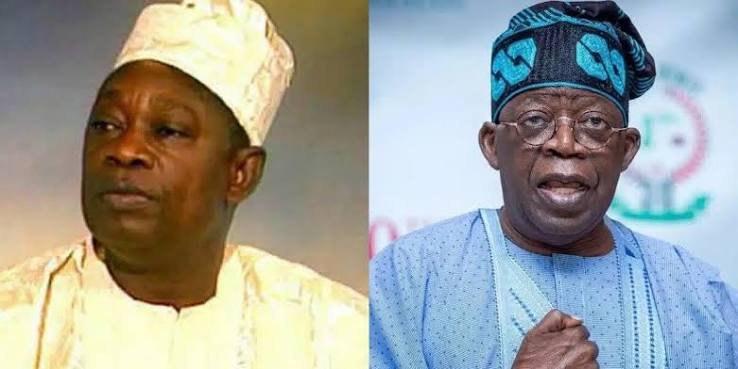
President Bola Tinubu and other prominent Nigerian political leaders attended the national premiere of the MKO Abiola documentary on Thursday, October 1, 2026, at the Wole Soyinka Centre for Culture and Creative Arts in Iganmu, Lagos, as part of activities marking Nigeria’s 66th Independence Anniversary.
Key Highlights
- President Bola Tinubu attended the national premiere of the MKO Abiola documentary with First Lady Oluremi Tinubu.
- Senate President Godswill Akpabio and several governors were among the dignitaries at the Lagos screening.
- The documentary chronicles the life, political career and legacy of late businessman and politician Moshood Kashimawo Olawale Abiola.
- MKO focuses extensively on the June 12, 1993 presidential election, its annulment and the pro-democracy struggle that followed.
- Nigerian-American filmmaker Ose Oyamendan directed and produced the 108-minute documentary.
- The film features archival footage and interviews with prominent figures connected to the June 12 era.
- The documentary had its international premiere at Sheffield DocFest in the United Kingdom on June 12, 2026.
- MKO began its nationwide cinema release in Nigeria on Friday, October 2, 2026.
Tinubu Attends MKO Abiola Documentary Premiere
President Tinubu arrived at the Lagos venue with First Lady Oluremi Tinubu as the national anthem was played, marking the official Nigerian premiere of the documentary.

Other senior officials reported at the event included Senate President Godswill Akpabio, Lagos State Governor Babajide Sanwo-Olu, Ogun State Governor Dapo Abiodun, Kwara State Governor AbdulRahman AbdulRazaq, Deputy Senate President Jibrin Barau, Deputy Speaker Benjamin Kalu, Chief of Staff to the President Femi Gbajabiamila and Minister of Art, Culture, Tourism and the Creative Economy Hannatu Musawa.
The event brought together political leaders, members of the creative industry and individuals connected to Nigeria’s political history.
What the MKO Abiola Documentary Is About
The MKO Abiola documentary explores the life and political journey of Moshood Kashimawo Olawale Abiola, including his career as a businessman, publisher and philanthropist.
A major focus of the 108-minute film is the June 12, 1993 presidential election, which was annulled by the military government, followed by a prolonged pro-democracy campaign.
The documentary also examines Abiola’s detention after he declared himself president in 1994 and his death in custody in 1998.
Ose Oyamendan Directs MKO Documentary
The documentary was directed by Nigerian-American filmmaker Ose Oyamendan, who used archival materials and interviews to reconstruct events surrounding Abiola and the June 12 struggle.
Among those featured are former military leaders Ibrahim Babangida and Abdulsalami Abubakar, former President Olusegun Obasanjo, Nobel laureate Wole Soyinka, Abiola’s running mate Baba Gana Kingibe and members of the Abiola family.
President Tinubu also appears in the documentary because of his involvement in the pro-democracy movement following the annulment of the June 12 election.
MKO Documentary Spans Nigeria’s June 12 Democratic Struggle
The film revisits one of the most significant political episodes in Nigeria’s modern history, covering the annulled election, the campaign for the restoration of the June 12 mandate and the events surrounding Abiola’s detention and death.
The Sheffield DocFest, where the film had its international premiere on June 12, 2026, lists the documentary as a 108-minute production directed by Ose Oyamendan.
MKO Documentary Released in Nigerian Cinemas
Following the October 1 national premiere in Lagos, MKO opened in cinemas across Nigeria on Friday, October 2.
Nile Entertainment is handling the Nigerian theatrical distribution of the documentary.
The film’s release gives younger Nigerians an opportunity to revisit the history surrounding Abiola, the June 12 election and the struggle that preceded Nigeria’s return to civilian rule in 1999.
Why the MKO Documentary Premiere Was Held on Independence Day
The decision to premiere MKO on October 1 connects the story of Abiola and the June 12 struggle with Nigeria’s Independence Day celebrations.
At the premiere, Minister Hannatu Musawa said the documentary honours those who lost their lives during the struggle following the annulment and connects that history with Nigeria’s subsequent return to democratic rule.
The national premiere therefore placed Abiola’s political story and the June 12 experience within the wider programme marking Nigeria’s 66th Independence Anniversary.