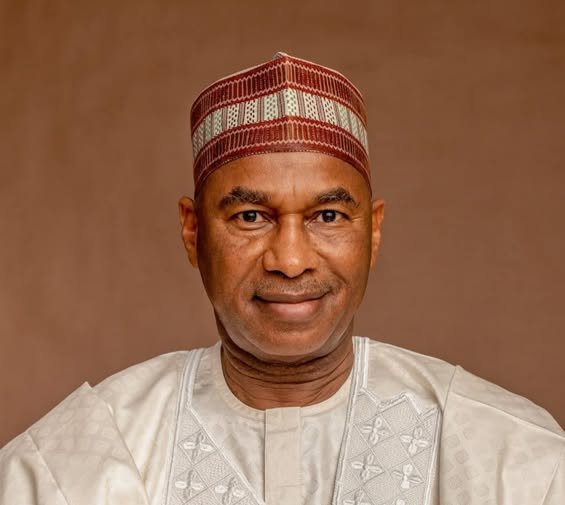
Tijjani Galadima has emerged as the governorship candidate of the All Progressives Congress (APC) in Adamawa State, following the conclusion of the party’s primary election held across the state on Thursday.
Galadima, a former executive secretary of the Petroleum Trust Development Fund (PTDF), secured a landslide victory after polling a total of 414,444 votes to defeat other aspirants in the race, strengthening his influence within the party ahead of the 2027 governorship election in the state.
Chairman of the APC Governorship Primary Electoral Committee, Prof. Innocent Bariko, announced the results in Yola on Friday, after the collation of votes from the 21 local government areas of the state.

Prof. Bariko stated that the exercise was conducted peacefully and in line with party guidelines, declaring that Galadima scored the highest number of lawful votes cast to emerge as the duly elected governorship candidate of the party.
According to the results announced by the committee, former federal lawmaker Abdurrazak Namdas came second with 86,004 votes, while businessman and philanthropist, Abdurrahman Haske secured third position with 65,424 votes.
Read also:
- Adamawa APC primary: Diaulhaq steps down for Galadima, donates N100m to campaign
- Galadima takes early lead in Adamawa APC governorship primary
- APC governorship race heats up in Adamawa ahead of Thursday’s primary
With the outcome, Galadima is expected to lead the APC into what political observers describe as a highly competitive governorship contest in Adamawa State ahead of the 2027 elections.
However, the outcome of the primary has sparked controversy within the party, as some aspirants and their supporters rejected the results, describing the exercise as a “political shenanigan” and an alleged “rape of democracy.”
Some aggrieved aspirants claimed that certain contestants and delegates were unfairly excluded from the process, raising concerns over the credibility and transparency of the primary election.
Despite the protests, the APC electoral committee maintained that the exercise was free, fair, and credible.