
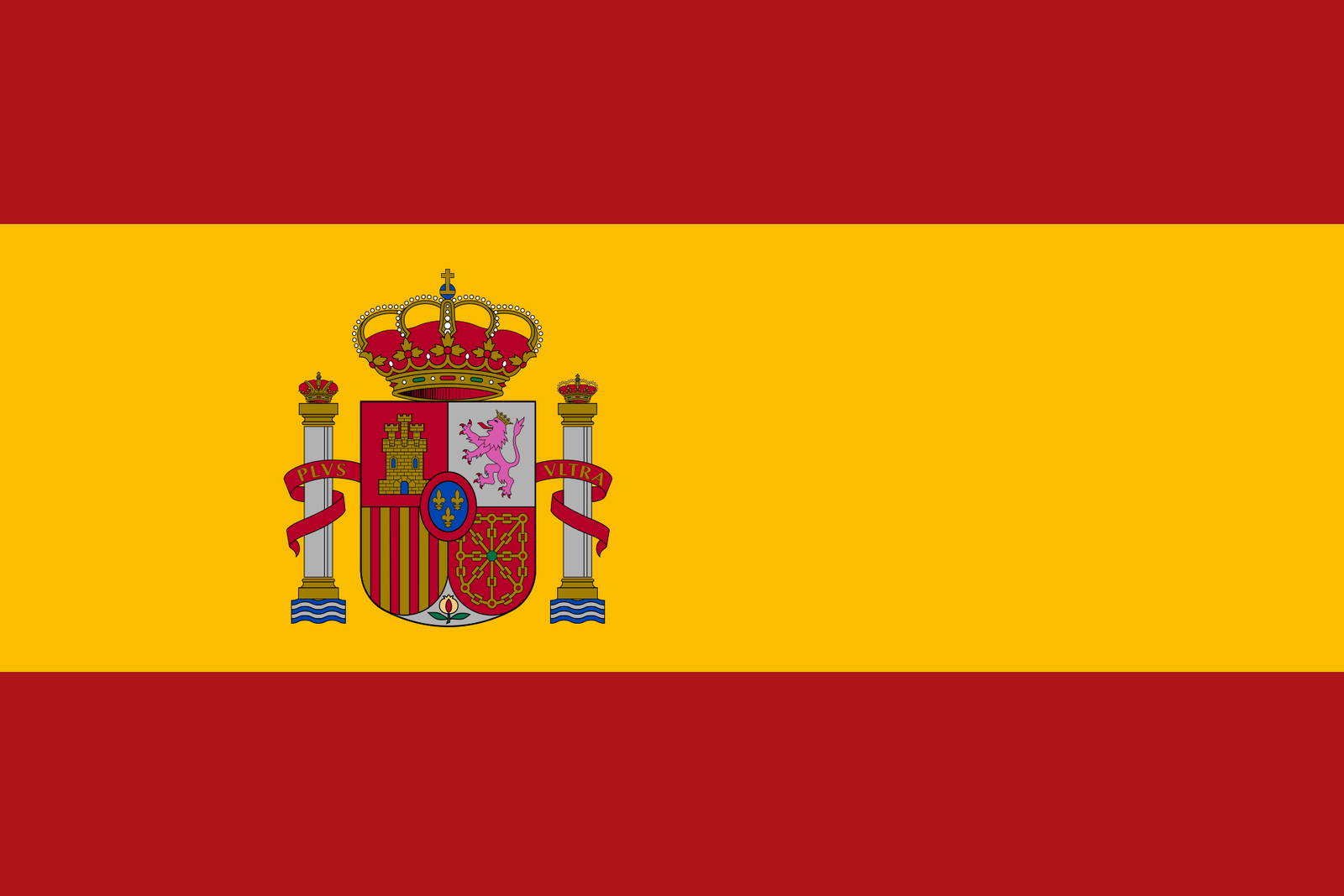
Spaniards have voted in a closely contested general election dominated by rising housing costs, economic concerns and growing support for the far right. The outcome could pave the way for the nationalist Vox party to enter Spain’s national government for the first time since the end of Francisco Franco’s dictatorship in 1975.
Key Highlights
- Spain’s 2026 general election was dominated by housing affordability, immigration and economic concerns.
- Voter turnout reached 68 per cent by 6 p.m., about 15 percentage points higher than in the 2023 general election.
- Prime Minister Pedro Sánchez is seeking to retain power amid criticism over housing, governance and corruption allegations.
- Opposition leader Alberto Núñez Feijóo has criticised the government’s handling of the economy and other national challenges.
- The far-right Vox party could become a key partner in a potential coalition government with the conservative People’s Party.
- Coalition negotiations are expected to play a crucial role in determining Spain’s next government.
Voting ended across mainland Spain and the Balearic Islands at 8 p.m. local time on Sunday, November 29, 2026, while polling stations in the Canary Islands were scheduled to close an hour later. Election results were expected later in the evening.

The election represents a major political test for incumbent Prime Minister Pedro Sánchez, whose eight-year leadership has faced mounting criticism over the cost of living, housing affordability, governance and corruption allegations.
Despite economic growth during his administration, rising property prices and rental costs have become major sources of public frustration, particularly among young people struggling to find affordable accommodation.
Voter participation had reached 68 per cent by 6 p.m., approximately 15 percentage points higher than the turnout recorded during the previous general election in 2023.
Sánchez, who voted in Madrid, expressed optimism about the election and predicted a strong turnout.
The prime minister called the early election after right-wing parties in parliament rejected government measures aimed at addressing the housing crisis.
His administration has also faced public pressure following protests over housing conditions, including the eviction of an 87-year-old woman from her Madrid apartment.
Read also:
- 30 People Feared Dead As 2 High-Speed Trains Collide In Spain
- Lula Wins Brazil Re-Election As Bolsonaro’s Son Rejects Results
- Israel Records Highest Voter Turnout In Decades As Netanyahu Faces Tough Election Challenge
Feijóo challenges Sánchez over housing and governance
The main opposition candidate, Alberto Núñez Feijóo of the conservative People’s Party (PP), campaigned on promises of political stability, improved governance and better economic management.
Feijóo criticised Sánchez over the government’s handling of the housing crisis, two fatal high-speed train crashes recorded this year, a nationwide power blackout in April 2025 and a border crisis involving Spain’s North African territory of Ceuta.
He also accused the prime minister of weakening parliamentary accountability, pointing to his administration’s difficulties securing sufficient legislative support and its failure to pass a national budget in nearly four years.
Speaking after casting his vote in Madrid, Feijóo urged Spaniards to consider the government’s record when making their decisions.
“I ask Spaniards not to vote with fear, but with memory,” he said.
The People’s Party is widely expected to seek a governing arrangement with the far-right Vox party if the election results create an opportunity.
Vox, led by Santiago Abascal, has campaigned on stricter immigration controls and nationalist policies, positioning itself as a potential kingmaker in negotiations to form the next government.
Immigration and housing dominate Spain’s election campaign
Immigration also emerged as a major issue during the campaign, with conservative parties questioning Sánchez’s policies and linking increased migration to pressure on housing availability and public services.
Spain has received millions of migrants, mainly from Latin America, Africa and other European countries. Census figures indicate that approximately one in five residents was born outside the country.
Earlier this year, the Sánchez administration announced plans to legalise the status of nearly 1.2 million immigrants living in Spain without authorisation.
Feijóo and Abascal criticised the decision, arguing that the country’s housing shortage and overstretched public services required a different approach to immigration.
If Vox joins a coalition government with the PP, it would mark the return of a far-right nationalist party to national power in Spain for the first time since Franco’s death in 1975.
The election is also attracting attention across Europe, particularly ahead of several major national elections scheduled for 2027, including those in France, Italy, Greece and Poland.
Coalition negotiations could determine Spain’s next government
Approximately 39 million people were eligible to vote in Sunday’s election.
Although votes were expected to be counted within hours of polling stations closing, determining which political bloc would govern could take considerably longer.
Spain’s next prime minister will be elected by the new parliament, which is expected to convene next month.
A candidate must secure the support of at least 176 lawmakers in the first parliamentary vote to obtain an absolute majority. This makes coalition agreements and negotiations with smaller political parties crucial to forming the next administration.
Opinion polls conducted before the election placed Sánchez’s Socialist Party behind the combined support of the PP and Vox.
The prime minister could therefore require backing from smaller left-wing parties to retain power, although divisions among those groups could complicate efforts to form another progressive coalition.
Sánchez’s international profile faces domestic political test
Beyond domestic challenges, Sánchez has established himself as a prominent voice on the international left through his criticism of US President Donald Trump and his government’s position on the Israel-Hamas conflict.
Spain was among the first major Western European countries to formally recognise Palestinian statehood. Sánchez has also repeatedly criticised Israeli military actions and expressed opposition to aspects of US foreign policy.
His administration has pursued ambitious climate policies, targeting a transition to renewable energy by 2050. More than half of Spain’s electricity already comes from non-carbon sources.
However, critics have questioned the government’s energy strategy, particularly following the nationwide blackout in April 2025.
Sánchez’s political standing has also been affected by corruption investigations involving individuals within his political circle, including a former minister and senior officials.
His opponent, Feijóo, has sought to present himself as a more moderate and experienced administrator, drawing on his 13 years as leader of Spain’s Galicia region.
The election is expected to have significant implications for Spain’s political direction, particularly in relation to immigration, housing, economic management and the country’s international partnerships.
The final results and subsequent coalition negotiations will determine whether Sánchez secures another term or the conservative opposition succeeds in forming a new government.
For more world news and updates, follow us on X.