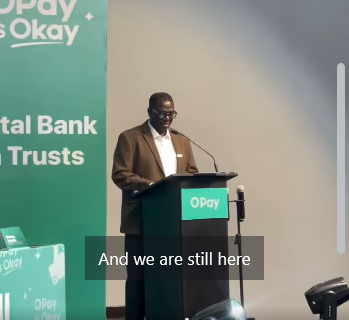
OPay has escalated the controversy surrounding a viral claim that it was shutting down operations in Nigeria, saying it is working with the Department of State Services (DSS) and the police to identify those behind the information.
The fintech company made the disclosure on Wednesday, while reassuring customers that its operations remain intact and that there is no plan to shut down its services.

OPay’s Chief Legal Counsel, Akinfolabi Rokosu, said law enforcement agencies were already investigating the circulation of the alleged false information, adding that the company has provided evidence that could assist in identifying those responsible.
According to him, OPay would pursue legal action against individuals who created and circulated the information.
“OPay is taking action against those responsible for creating and circulating this harmful information. We will pursue them and will ensure that the law is fully enforced,” Rokosu said.
OPay’s Chief Operating Officer and Chief Technical Officer, Dotun Adekunle, also dismissed the shutdown claim, stressing that the company remains fully operational.
“OPay is here, OPay is operating, and OPay is going nowhere,” he said. Adekunle noted that the rumour had claimed OPay would stop operating from September 1, 2026, but the company is still operating normally on September 2.
Read also:
- OPay Denies September Shutdown Rumour, Warns Customers Against Fake Publication
- OPay Plans NGX Listing as Fintech Giant Targets Potential $4bn US IPO
- OPay denies office closure, says tax notice targets entire payment industry
He urged customers to verify information concerning the fintech through its official communication channels before taking any action.
The controversy began after a notice circulated online claiming that OPay would suspend its operations from September 1, 2026, while advising customers to withdraw their money to avoid losing access to their accounts.
The notice reportedly appeared convincing enough to generate concern among some users before OPay publicly dismissed it as false.