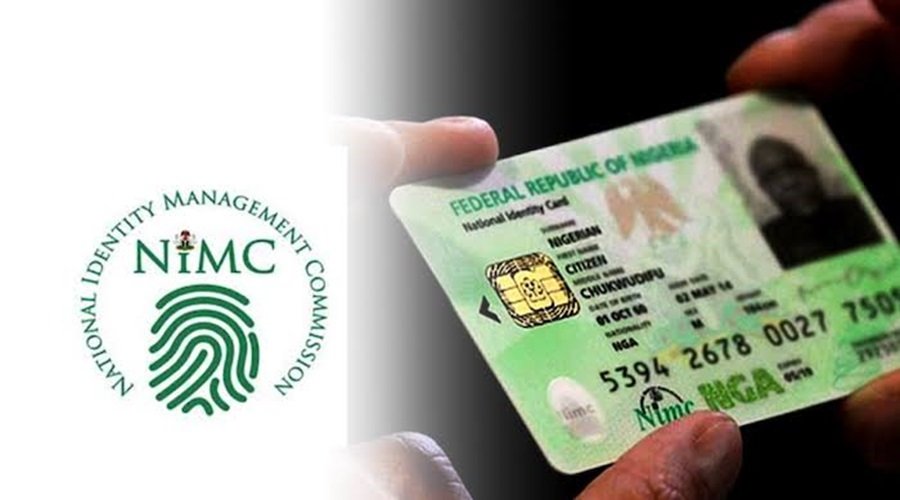
The National Identification Number (NIN) has become a major requirement for accessing essential services in Nigeria, but difficulties with data correction, failed verification, technical disruptions and delays at enrolment centres continue to frustrate many Nigerians.
Key Highlights
- Nigerians report repeated visits to NIMC offices without getting data errors corrected.
- One applicant says she visited an NIMC office five times before paying roadside agents to fix her record.
- Users complain of “connection time out” errors on the NIMC mobile app and portal.
- Failed NIN-SIM verification leaves some subscribers unable to use their lines.
- An NIMC staff member says recurring network failures disrupt service and staff attendance.
From repeated visits to National Identity Management Commission (NIMC) offices to problems accessing digital platforms and linking NIN to mobile phone numbers, Nigerians recount experiences they say have made obtaining and updating their identity records stressful and expensive.

The NIN is a unique identification number issued by NIMC to establish and verify the identity of individuals through their demographic information and biometric data.
It is used for identity verification across several public and private services, including telecommunications, banking and passport applications.
However, as more services become dependent on the national identity database, technical failures and unresolved record discrepancies can prevent citizens from completing important transactions.
Five Visits, No Correction
In an interview, Iyanuoluwa Olorunmaiye recounted her experience while attempting to correct her personal information at an NIMC office.
She said she visited the office five times without getting the issue resolved, despite following the instructions given to her by officials.
“At first, they asked me to bring a sworn affidavit, then a newspaper publication of my name change, but still nothing was done. It was always no network or the staff were not on the ground,” she said.
Olorunmaiye said she eventually resorted to seeking assistance from roadside service providers, who helped her complete the process.
“I resorted to using mediums by the roadside who eventually helped me. It was a terrible situation, and I had to pay so much money for it,” she added.
Her experience highlights the difficulties Nigerians face when attempting to correct identity records, particularly when the process requires supporting documents, repeated physical visits and functioning verification systems.
For people whose names, dates of birth or other personal details do not match records held by banks, telecommunications operators and government agencies, unresolved discrepancies can create further complications.
App, Portal Complaints
The problems also extend to NIMC’s digital services. Nigerians have reported difficulties signing into the commission’s mobile application, retrieving digital identity information and accessing self-service platforms intended to make identity management more convenient.
In a report published on January 2, 2026, the Foundation for Investigative Journalism documented complaints about the NIMC self-service modification portal, including difficulties encountered by users attempting to update their records.
The concerns raise questions about the reliability of digital identity services and whether they can adequately support the growing number of transactions that depend on them.
Some Nigerians have also publicly expressed frustration over difficulties accessing NIMC’s digital platforms.
Bakre T’gold, a Nigerian who complained about being unable to access the NIMC mobile application, said the problem persisted despite repeated attempts to sign in.
“Abeg help me ask @nimc_ng oo, I’ve been trying to sign in after downloading it for like a week now, it’s always displaying ‘connection time out’,” the user said.
Another user, EvansJens, criticised the performance of the commission’s online services, expressing dissatisfaction with the availability of its verification website, application and portal.
“The height of incompetence and cluelessness is @nimc_ng linking NIN verification website with their app and portal, but still cannot ensure that the app and portal is constantly online and efficient,” the user said.
The complaints reflect the frustration of citizens who expect digital platforms to reduce the need for physical visits but instead encounter connection errors and unsuccessful login attempts.
Concerns about the accuracy of digital identity information have also emerged. In an earlier report, TheCable documented complaints from users who alleged that the NIMC mobile application displayed another person’s identity details after they entered their NIN information.
Such reports underscore the importance of reliable identity matching, adequate safeguards for personal information and an effective process for resolving suspected errors.
Read also:
- NIMC Dismisses Viral Claims of NIN Database Breach
- NIMC Enrolment Exceeds 142m As National ID Database Capacity Hits 250m
- NIMC Sensitises Lagos Corps Members On Digital Services, Warns Against Fraud
NIN-SIM Linkage Problems
The linkage of NIN to mobile phone numbers has also been a source of concern for telecommunications subscribers.
The policy was introduced as part of efforts to strengthen identity verification and address security concerns associated with improperly registered SIM cards.
However, when verification fails, subscribers may experience difficulties accessing their lines despite submitting the required information.
Staff Decry Network Failures
A staff member familiar with the challenges at an NIMC office also described the difficulties associated with recurring network failures.
The staff member, who requested anonymity, said the lack of connectivity makes it difficult to attend to applicants and manage their expectations.
“When there’s no network, you’ll have to deal with people always, trying to calm them down. It’s very exhausting,” the staff member said.
The source also suggested that recurring technical problems affect staff attendance, adding “most of us hardly go there because of that.”
Questioning the quality of the infrastructure supporting the system, the staff member said: “I don’t understand why billions was spent to make this available and we still use mediocre systems.”
The Trumpet could not independently establish the cause or scale of the reported network problems, but the claims point to the operational difficulties that can arise when identity services depend on systems that are not consistently available.
For Nigerians, the concern is not simply about obtaining a NIN. It is also about being able to correct mistakes, verify personal information and use the number without repeated visits, unnecessary expenses or prolonged uncertainty.
The effectiveness of the national identity system will ultimately depend not only on the number of Nigerians enrolled but also on the reliability, accuracy and accessibility of the services supporting it.
For more updates, follow us on X.