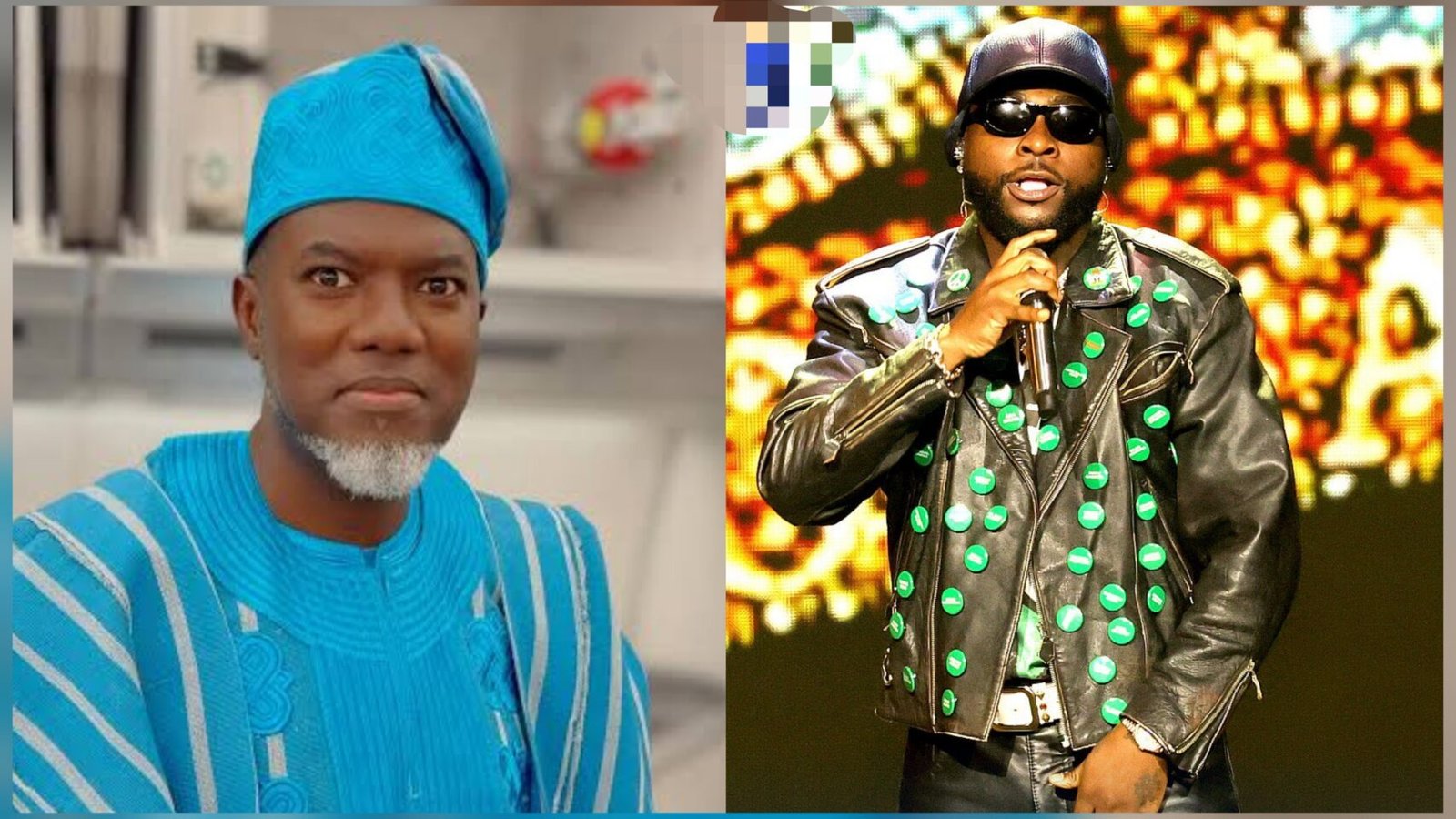
Ambassador-Designate to Mexico, Reno Omokri, has criticised Afrobeats superstar Davido over his public advocacy for abducted schoolchildren in Oyo State, warning that highly publicised campaigns around hostage situations may inadvertently strengthen the position of criminal groups.
Key Highlight:

The disagreement followed Davido’s appearance at a FIFA World Cup countdown concert, where the singer wore a customised jacket displaying the names of pupils and teachers abducted from Ahoro-Esinle and Yawota communities in Oriire Local Government Area of Oyo State.
The gesture drew widespread attention, with the artist using the global platform to highlight victims still in captivity and others confirmed dead.
However, Omokri argued that while the intention behind such advocacy may be noble, public campaigns of this nature can produce unintended security consequences.
Read Also:
- FIFA World Cup: Davido uses global stage to demand freedom for abducted Oyo Schoolchildren, Teachers
- Davido speaks on insecurity in Nigeria, calls on celebrities to end silence
- Davido blasts Oyetola over alleged Osun 2026 plot
In a statement shared on X (formerly Twitter) on Thursday, Omokri maintained that excessive publicity surrounding abductions often benefits terrorist groups rather than putting pressure on them.
“Publicity helps terrorists. It does not pressure them. They treasure it,” he stated.
He added that armed groups thrive on visibility, arguing that global attention increases fear, strengthens their influence, and can complicate negotiation efforts.
“It is a very big mistake to think that publicity or global outrage pressures terrorists. Quite the contrary. They relish it. They thrive on it,” he said.
Omokri referenced former British Prime Minister Margaret Thatcher’s famous assertion that “publicity is the oxygen of terrorism,” insisting that criminal groups depend on attention to amplify the psychological impact of their actions.
Drawing from his involvement in previous advocacy efforts for abducted schoolgirls and hostages, Omokri claimed that security officials had once cautioned him that public campaigns could sometimes reduce the chances of safe rescue.
He specifically referenced the case of Leah Sharibu, stating that increased visibility may have unintentionally complicated efforts to secure her release.
“I was informed by top-level security officials that my activities were actually making Leah Sharibu’s release less likely,” he said.
“By raising her profile, I was making her too valuable as a hostage to her captors.”
Omokri also pointed to the global #BringBackOurGirls movement, suggesting that intense international attention following the Chibok abductions may have influenced how captors handled negotiations and prolonged captivity.
Despite his criticism of public advocacy campaigns, Omokri stressed that the Federal Government and security agencies remain fully committed to securing the release of the abducted Oyo pupils and their teachers.
“This is not to say the Nigerian government is resting on its oars in the present case. Every effort is being made to secure the release of the children and their teachers,” he said.
The remarks have added a new dimension to the ongoing national conversation surrounding the Oyo school abductions, dividing opinion between supporters of Davido’s advocacy and those who believe hostage situations require a more discreet approach.
While many praised Davido for using his global platform to amplify the plight of victims, others echoed Omokri’s concerns about the operational risks of public campaigns during active security situations.
The debate continues as pressure mounts on authorities to secure the safe return of the abducted pupils and their teachers.