
Nigeria is set for a major digital transformation as the Federal Government begins the rollout of a Digital Postcode System that will assign every building in the country a unique digital address linked to the National Identification Number (NIN), a move expected to improve governance, security, service delivery and economic activities.
Key Highlights
- Federal Government launches nationwide Digital Postcode System linked to NIN.
- Every building in Nigeria will receive a unique 11-digit digital address.
- First phase of implementation begins in October 2026.
- NIPOST and NIMC to integrate postcode retrieval with the NIN platform.
- System expected to improve security, emergency response, e-commerce and public service delivery.
- Digital address initiative will cover urban, rural and informal settlements nationwide.
The initiative, which has received full Federal Government approval and funding, is being implemented by the Ministry of Communications, Innovation and Digital Economy in partnership with the Nigerian Postal Service (NIPOST).
The project revives a national digital addressing initiative first conceived nearly two decades ago but which is now receiving full government backing under the current administration.
Under the new system, every addressable structure across Nigeria will be assigned an 11-digit GIS-enabled alphanumeric postcode linked to precise geographical coordinates, creating a comprehensive national addressing framework.
Unlike the conventional postal addressing system, which has struggled to adequately cover rural communities and informal settlements, the new Digital Postcode System is designed to identify every standing structure across the country, from densely populated cities to remote villages.
Read also:
- NIMC boosts NIN enrolment portal with major upgrades for Nigerians in Diaspora
- NIMC reviews service fee charges, to penalize defaulters
- CAC launches new AI-driven business registration portal
- Nigeria Launches 11-Character Digital Postcode for Every Addressable Building
- Nigeria’s New Digital Postcode Joins Global Race to Solve the Address Problem
The Federal Government said the first phase of the nationwide rollout is scheduled to commence in October 2026, with the initial participating states and locations to be announced during implementation.
Digital postcode field officers have already begun validation exercises in selected communities ahead of the nationwide deployment.
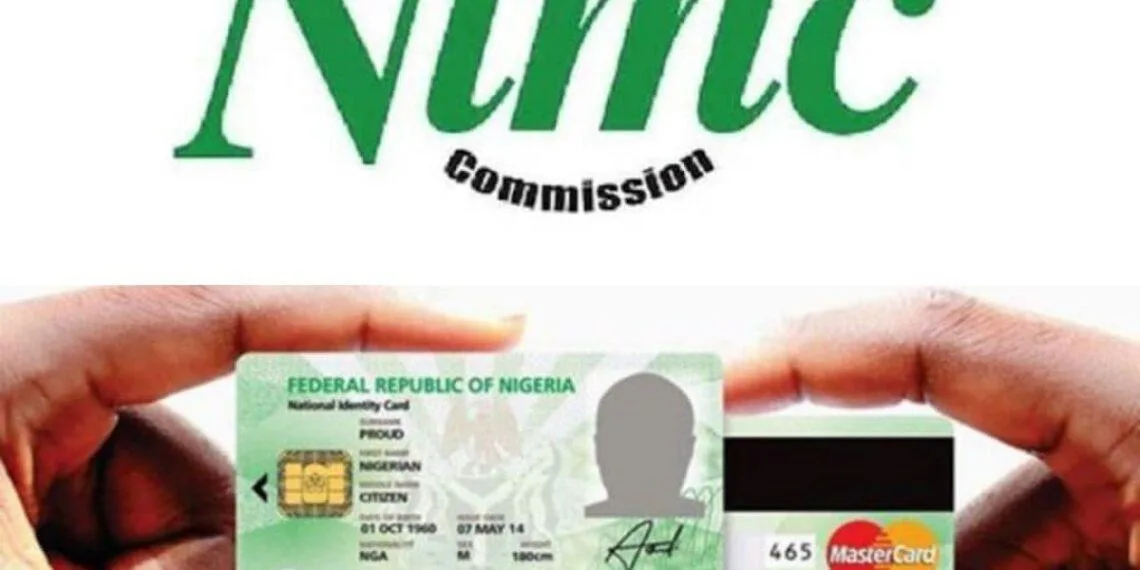
As part of the project, the National Identity Management Commission (NIMC) and NIPOST are integrating postcode retrieval into the National Identification Number platform, allowing Nigerians to verify and access their digital addresses alongside their NIN information.
The government believes the initiative will significantly improve planning and governance by complementing personal identity with accurate location data.
The Digital Postcode System is also expected to strengthen census operations, elections, tax administration, infrastructure planning and public resource allocation through more reliable location intelligence.
Security agencies and emergency responders are expected to benefit from the system by gaining the ability to accurately identify locations during rescue operations, disaster response and crime investigations.
The Federal Government also projects major gains for Nigeria’s digital economy, particularly in logistics, e-commerce, fintech and transportation.
Officials said the new addressing system would reduce failed deliveries, lower logistics costs, improve route efficiency and create opportunities for businesses that rely on accurate geolocation data.
Minister of Communications, Innovation and Digital Economy, Dr. Bosun Tijani, described the project as a critical component of Nigeria’s digital transformation agenda, noting that it would strengthen commerce, public safety and government service delivery.
Similarly, the Postmaster General of NIPOST, Tola Odeyemi, explained that while the National Identification Number identifies individuals, the Digital Postcode System will accurately identify their physical locations, creating a complete “who and where” national identity framework.
Although officials acknowledged the logistical challenges of implementing the project across Nigeria’s vast territory and diverse communities, they expressed confidence that ongoing validation exercises and collaboration with Ministries, Departments and Agencies (MDAs), as well as state governments, would ensure successful implementation.
The Federal Government said the Digital Postcode System will position Nigeria among countries with advanced digital addressing infrastructure while supporting innovation, economic growth, financial inclusion and smarter public administration.