The Nigerians in Diaspora Commission (NiDCOM) has raised concerns over a directive by the Central Bank of The Gambia requiring banks operating in the country to replace non-Gambian employees with qualified local professionals before December 31, 2026.
Latest: NiDCOM calls for release of 42 Nigerian detainees in Mozambique

Key Highlights
- The Central Bank of The Gambia has directed banks to replace non-Gambian staff with locals by December 31, 2026.
- NiDCOM says 57 Nigerian professionals at four Nigerian-origin banks could be displaced.
- Abike Dabiri-Erewa describes the directive as deeply worrisome.
- The four banks hold about 37.2 per cent of deposits in The Gambia’s banking industry.
- NiDCOM wants the directive reversed and urges both countries to uphold ECOWAS principles.
The commission warned that the directive could displace 57 Nigerian banking professionals currently employed by four Nigerian-origin banks operating in The Gambia, despite their reportedly holding valid residency and work permits.
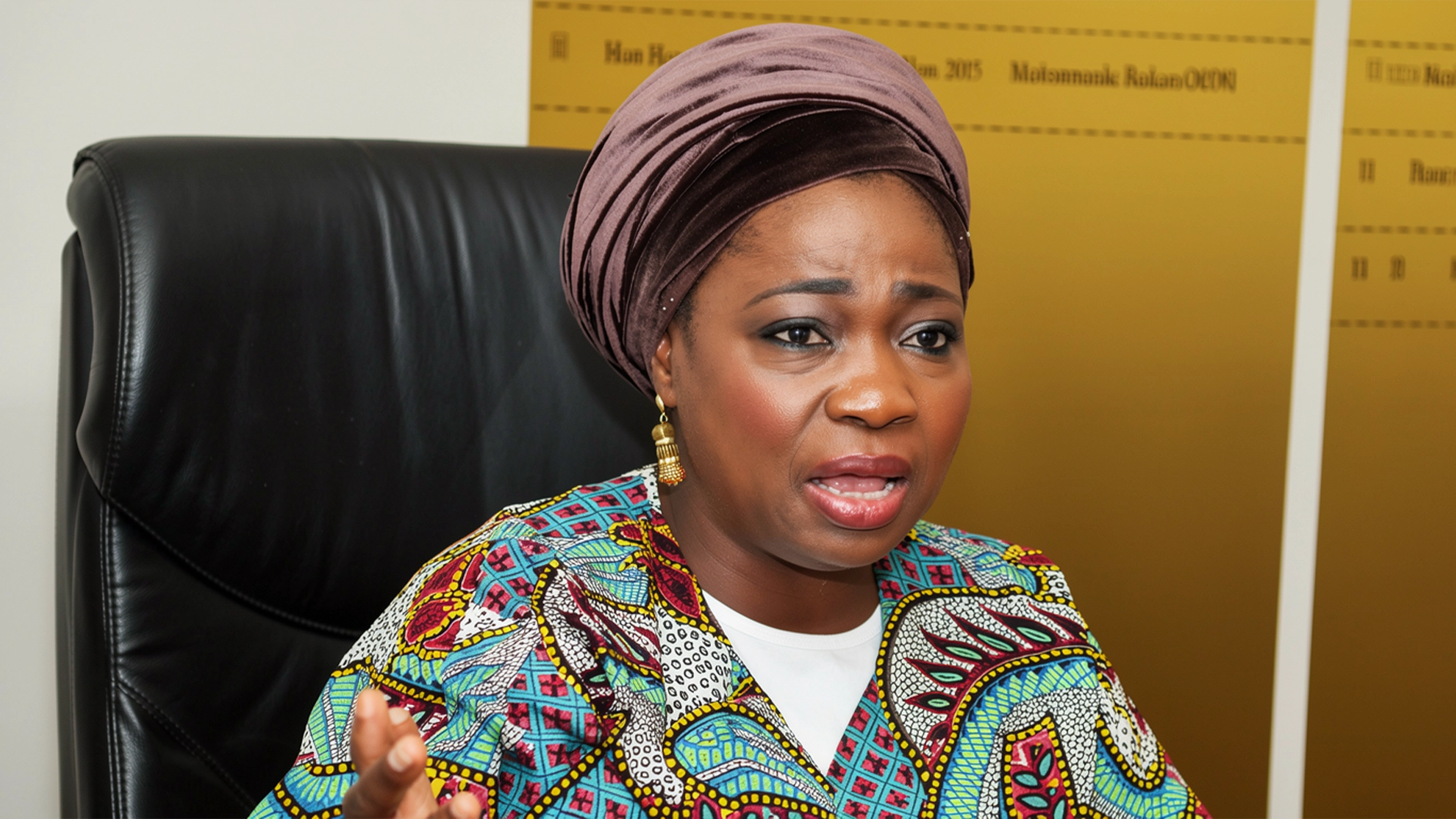
NiDCOM Chairman and Chief Executive Officer, Abike Dabiri-Erewa, described the directive as deeply worrisome, warning that its implementation could undermine African solidarity, regional economic integration and the longstanding relationship between Nigeria and The Gambia.
In a statement issued on Tuesday by the commission’s Head of Media, Public Relations and Protocols, Abdur-Rahman Balogun, NiDCOM said the directive was reportedly issued on September 16, 2026.
The Central Bank of The Gambia reportedly directed banks to replace existing non-Gambian employees with qualified Gambian nationals by the end of December.
While acknowledging The Gambia’s right to promote local employment and develop its workforce, NiDCOM insisted that such policies must respect existing employment arrangements, legitimate work authorisations and regional integration principles.
The commission argued that the affected Nigerian professionals had contributed significantly to the Gambian banking sector and should not be subjected to what it described as a blanket replacement policy.
Nigerian Banks’ Stake In Gambian Economy
Highlighting the economic importance of the four Nigerian-origin banks, NiDCOM said they collectively account for approximately 37.2 per cent of total deposits in The Gambia’s banking industry, valued at 35.3 billion Gambian dalasis.
According to the commission, the banks also account for 32.6 per cent of industry loans, estimated at 7.67 billion dalasis, and 37 per cent of total banking assets, valued at 44.78 billion dalasis.
It added that the institutions account for approximately 34.5 per cent of investments in Central Bank bonds and reportedly provide 90 per cent of the funding supporting the operations of the National Water and Electricity Company (NAWEC).
NiDCOM questioned the consistency of promoting African investment and regional economic cooperation while introducing employment policies that could result in the displacement of qualified African professionals.
The commission said such measures could discourage cross-border investments and undermine efforts to strengthen economic cooperation among African countries.
Read also:
- NiDCOM Says Nigerians Abroad Send Nearly $1bn Monthly in Remittances
- NiDCOM calls for release of 42 Nigerian detainees in Mozambique
- Dabiri-Erewa Links Nigerians’ Global Leadership Success To Tinubu’s Foreign Policy Agenda
NiDCOM Calls For Reversal
It therefore called on the Central Bank of The Gambia to immediately reconsider and reverse the directive, urging the Gambian authorities to engage the Nigerian High Commission in Banjul, affected financial institutions and other relevant stakeholders to find an equitable resolution.
NiDCOM also urged The Gambia to uphold the principles of the Economic Community of West African States (ECOWAS), particularly its commitment to regional integration and the free movement of people.
The commission called for constructive diplomatic engagement between both countries to resolve the dispute without undermining the cordial relations Nigeria and The Gambia have maintained over the years.
For more news and updates, follow us on X.