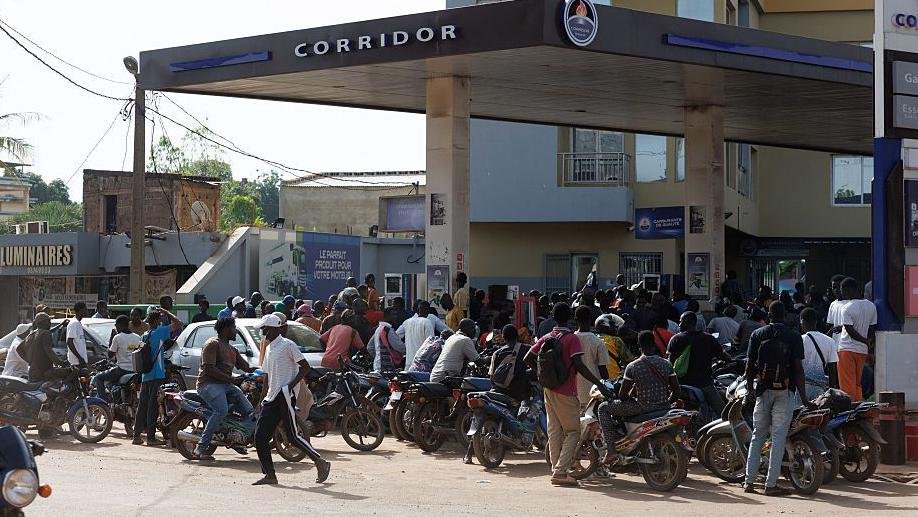
The Malian government has announced a nationwide Motorcycle ban in Mali, suspending the use of motorcycles with engine capacities of 125cc and above outside major urban centres as authorities intensify efforts to combat growing jihadist activities and restore security across the country.
Key Highlights:
- Mali imposes nationwide restrictions on motorcycles with engines of 125cc and above.
- Ban applies outside Bamako, regional capitals and designated urban areas.
- Authorities also suspend the importation, sale and distribution of affected motorcycles.
- Government cites worsening jihadist insurgency and security concerns.
- Armed groups have reportedly blockaded major routes leading to Bamako.
- Security crisis continues to deepen following coordinated attacks by insurgents.
The directive was announced through a government order broadcast on national television on Wednesday evening, marking one of the most significant security measures introduced by the military-led administration in recent months.

According to the order, the circulation of motorcycles with engine capacities of 125cc and above is prohibited outside major cities and designated urban centres throughout the country.
Read Also:
- Reactions trail comments by US congresswomen on deportation of Somali immigrants by Trump administration
- Terrorists kill Mali’s defence minister in coordinated attacks
- Mali’s Fuel Crisis Deepens: Nationwide School closures amid ongoing shortages, Russian aid arrives
“The circulation of motorcycles with an engine capacity of 125 cc and above, outside major urban centres, is suspended throughout the entire national territory,” the government stated.
Exceptions to the Motorcycle Ban
The restriction does not apply to the capital city, Bamako, regional capitals and selected urban localities identified by the authorities.
In addition to restricting movement, the government also announced a nationwide suspension of the importation, transit, marketing, sale and free distribution of motorcycles covered by the ban, including related accessories.
Security Concerns Behind the Decision
Authorities say the measure is aimed at limiting the mobility of jihadist groups, which frequently rely on motorcycles as their preferred means of transportation for attacks and rapid movement across remote areas.
The decision comes amid a deteriorating security situation that has seen armed groups intensify operations against the military-led government.
Mali has been grappling with a prolonged insurgency involving jihadist groups linked to Al-Qaeda as well as separatist movements operating in the northern regions of the country.
Growing Instability Across Mali
The latest restrictions follow large-scale coordinated attacks reportedly carried out on April 25 and 26 by Al-Qaeda-linked militants and Tuareg separatist groups targeting positions associated with the ruling military junta.
Since April 30, insurgents have reportedly blocked several strategic routes leading into Bamako, disrupting transportation and economic activities.
Security reports indicate that dozens of buses and freight trucks have been destroyed during attacks on major highways, further complicating movement across the country.
Strategic Areas Under Threat
Armed groups have also expanded their presence in parts of northern Mali, including the strategic town of Kidal, a development widely viewed as a significant setback for the military government that seized power in 2020.
It is believed that the motorcycle restrictions reflect growing concerns within the government over the ability of insurgent groups to exploit rural mobility networks to launch attacks and evade security forces.
Government Intensifies Counter-Insurgency Measures
The motorcycle ban forms part of broader efforts by Malian authorities to strengthen security controls and limit the operational capacity of armed groups as violence continues to spread across parts of the country.
Observers say the effectiveness of the new policy will largely depend on enforcement measures and the government’s ability to balance security concerns with the transportation needs of citizens, particularly in rural communities where motorcycles remain a vital means of travel.