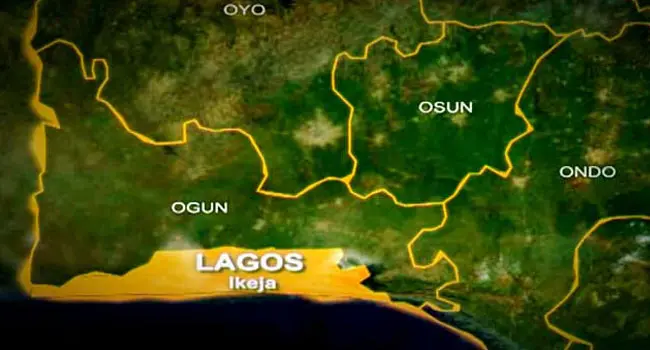
Lagos State has once again underlined its status as Nigeria’s economic powerhouse, generating a staggering ₦1.685 trillion in revenue within the first half of 2026, with Internally Generated Revenue (IGR) accounting for almost 70 per cent of the total.

The state’s latest Budget Performance Report also revealed that the government spent ₦1.539 trillion during the same period, representing 91.3 per cent of the revenue realised.
Key Highlights:
- Lagos generated ₦1.685 trillion between January and June 2026.
- IGR contributed ₦1.166 trillion (69.2%), remaining the state’s biggest revenue source.
- FAAC allocation stood at ₦501.09 billion, the second-largest contributor.
- Government spent ₦1.539 trillion, with capital projects receiving more funding than recurrent expenses.
- Environment sector topped capital releases with ₦83.83 billion.
The report shows Lagos continues to rely heavily on internally generated revenue to finance government operations while sustaining investments in infrastructure and public services.
Of the total earnings, ₦1.166 trillion came from IGR, while ₦501.09 billion was received from the Federation Account Allocation Committee (FAAC).
Other sources of revenue included ₦1.6 billion brought forward from 2025, ₦4.91 billion in grants and aid, ₦9.87 billion from loans and borrowings, and ₦1.94 billion classified as other capital receipts.
Read Also:
- Lagos State Building Control Agency Demolishes Six-Storey Ikoyi Building Over Foundation Failure, Structural Defects
- Lagos State Government bans night construction
- Lagos State government considers appropriate levy on SSBs to boost public health
On spending, Lagos committed ₦772.64 billion to capital projects, slightly higher than the ₦767.15 billion spent on recurrent expenditure, reflecting continued investment in roads, infrastructure and development projects.
Sectoral performance showed the environment sector received the highest capital release at ₦83.83 billion, representing 53.5 per cent of its budget.
The health sector received ₦49.59 billion, while education recorded ₦14.9 billion, representing 26.8 per cent of its capital allocation during the six-month period.