Kenya has confirmed its first Ebola case and death after a Kenyan citizen who had lived in the Democratic Republic of Congo (DRC) for about seven years died in Nairobi, raising fresh concerns about the cross-border spread of the deadly virus in Africa.
The development is of particular interest to Nigeria because of the movement of people across African countries and the importance of maintaining effective disease surveillance at airports, land borders and other points of entry.

Key Highlights
- Kenya has confirmed its first Ebola case and death in the current outbreak.
- The patient had lived in the Democratic Republic of Congo for about seven years before returning to Kenya.
- The case involves the Bundibugyo strain of Ebola virus.
- Kenyan authorities have identified 28 contacts and are tracing passengers and crew members who travelled on the same flight as the patient.
- The patient travelled from the DRC to Kampala, Uganda, by road before flying to Nairobi.
- There is no confirmed Ebola case in Nigeria linked to the Kenyan case based on the information currently available.
- WHO data showed the DRC had recorded 7,890 confirmed cases and 3,799 deaths as of September 23, 2026, highlighting the scale of the ongoing outbreak.
How Kenya Recorded Its First Ebola Case
Kenya’s Health Cabinet Secretary, Aden Duale, said the patient had been living in the DRC for about seven years before falling ill.
The patient travelled by road from the DRC to Kampala, Uganda, before boarding a flight to Nairobi, where he arrived on October 3.
Although he underwent routine public health screening at Jomo Kenyatta International Airport, he was later taken to a hospital by relatives.
Doctors subsequently suspected viral haemorrhagic fever based on his symptoms and travel history and transferred him to an isolation facility.
Laboratory tests confirmed that the patient had Bundibugyo virus disease, a form of Ebola. He had developed symptoms including fever, chills, severe fatigue and weakness, muscle pain, painful swallowing and bleeding under the skin.
Despite treatment, the patient died at about 11:30 p.m. on Monday. Kenyan authorities said his burial would be conducted in accordance with public health protocols.
Kenya Begins Contact Tracing
Kenyan health authorities have identified 28 contacts, including relatives and healthcare workers who interacted with the deceased.
Officials are also tracing 23 passengers and four crew members who travelled on the same flight as the patient from Kampala to Nairobi.
The authorities have prepared quarantine arrangements for people considered at risk and have intensified surveillance at border points following the confirmation of the case.
What Is the Bundibugyo Ebola Strain?
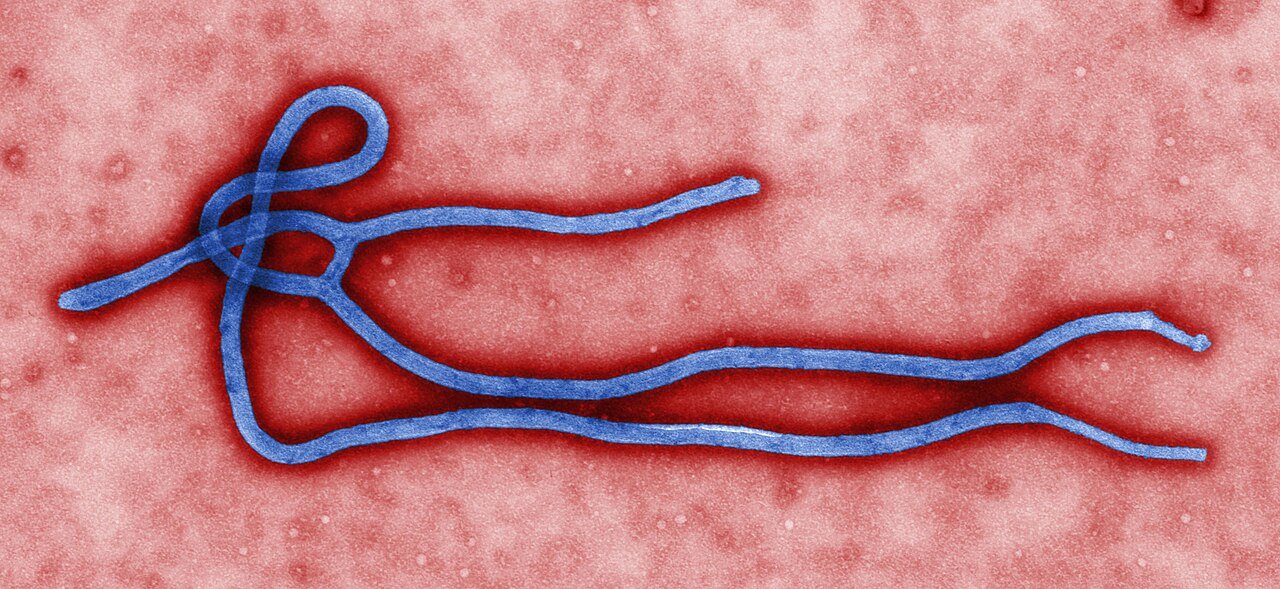
The case in Kenya involves the Bundibugyo virus, a species of Ebola virus responsible for the ongoing outbreak in the DRC.
The outbreak has expanded significantly since it was first detected in May 2026. According to the latest WHO situation report available before Kenya’s case was announced, the DRC had recorded 7,890 confirmed cases and 3,799 deaths as of September 23, with the outbreak spread across 63 health zones in seven provinces.
WHO has described the continued transmission in the DRC as a significant concern, particularly because the geographical expansion of the outbreak increases the risk of cross-border transmission.
What Nigerians Need to Know About Ebola
There is no confirmed Ebola case in Nigeria linked to the Kenyan development based on the information currently available.
However, the Kenyan case highlights the importance of continued surveillance, particularly as people travel between countries affected by the outbreak.
Ebola is a severe viral disease that can cause symptoms including fever, weakness, muscle pain, vomiting, diarrhoea and, in some cases, bleeding.
The virus is primarily transmitted through direct contact with the blood or other bodily fluids of an infected person or someone who has died from the disease, according to the World Health Organization.
It is not spread simply by being in the same country or sharing ordinary public spaces with an infected person.
Read also:
- DR Congo Ebola Outbreak Death Toll Surpasses 4,000 as Cases Reach 8,300
- NCDC Tightens Surveillance As Ebola Outbreak Spreads In DR Congo
- Africa CDC Blames Delayed Detection, Diagnostic Challenges For Spread Of Ebola Virus In DRC
- BREAKING: Ebola Case Confirmed in Abuja as Health Authorities Begin Contact Tracing
- Ebola In Nigeria: Things You Should Know About Symptoms, Spread, Prevention
- Ogun Strengthens Disease Surveillance Measures, Confirms No Recorded Case Of Ebola
How Travellers Can Reduce Ebola Risk
Travellers should avoid direct contact with the bodily fluids of people who are sick or suspected of having Ebola.
Anyone who develops symptoms after possible exposure should promptly seek medical attention and disclose relevant travel or exposure history to healthcare workers.
People should also rely on official health advisories rather than unverified information circulating on social media.
Why Nigeria Needs Continued Vigilance
The Kenyan case demonstrates that routine airport screening may not identify every infected traveller, particularly when symptoms are not yet obvious.
Public health authorities therefore depend on multiple measures, including surveillance, laboratory testing, isolation, contact tracing and cooperation between countries, to detect and contain potential cases.
For Nigeria, continued vigilance at international airports, land borders and other points of entry remains important given the volume of regional travel.
At the same time, Nigerians are advised not to panic or circulate unverified claims about Ebola.
Any suspected infection should be reported through established health channels and handled by trained medical personnel rather than through self-treatment or unverified remedies.
The development in Kenya serves as a reminder that infectious diseases can cross borders, making early detection, effective surveillance and public cooperation essential to preventing wider transmission.
For more health news and updates, follow us on X.