
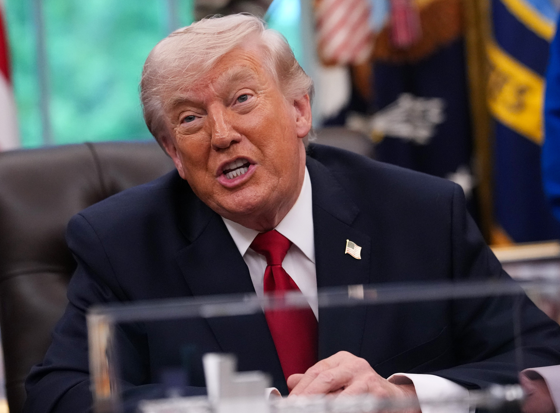
Global oil prices recorded sharp gains after former United States President Donald Trump rejected Iran’s latest conditions for a proposed peace agreement, raising fresh fears of prolonged instability in the Middle East and possible disruptions to global energy supplies.
Key Highlights:
- Brent crude reportedly surged above $104 per barrel after renewed US-Iran tensions
- Trump described Iran’s latest peace demands as “totally unacceptable”
- Concerns grow over security of the Strait of Hormuz, a key global oil route
- Analysts warn prolonged tensions could worsen global inflation and fuel prices
- Rising crude prices may affect transportation, manufacturing and consumer goods worldwide
The sharp market reaction followed escalating diplomatic tensions on May 11, 2026, after Trump reportedly dismissed Iran’s response to a US-backed peace proposal, signaling a possible collapse of ongoing negotiations aimed at reducing conflict in the Gulf region.

Read Also:
- Trump rejects Iran’s peace proposal to end war
- Trump announces surprise 3- day Russia-Ukraine ceasefire, prisoner swap
- Trump warns strikes on Iran will restart if peace deal collapses
The development immediately unsettled international oil markets, with both Brent crude and US crude futures posting strong gains amid fears that worsening tensions between Washington and Tehran could threaten global oil shipments and maritime security.
Energy analysts said investors are paying close attention to the Strait of Hormuz, one of the world’s most important oil transit corridors through which a significant percentage of global crude exports passes daily.
According to reports, Iran demanded guarantees relating to sanctions relief, protection of shipping operations, and future nuclear negotiations as conditions for accepting the proposed peace framework.
Tehran has also maintained strong warnings against foreign military activity around the Strait of Hormuz following recent naval incidents and heightened regional security concerns.
Experts warned that continued uncertainty in the Middle East could place additional pressure on global economies already struggling with inflation, rising logistics costs, and weak economic growth.
Higher crude oil prices are expected to increase fuel and transportation costs globally, with possible effects on aviation, shipping, manufacturing, food prices, and other consumer goods if tensions continue to escalate.
Financial markets and policymakers are now closely monitoring developments amid concerns that a prolonged geopolitical crisis in the Gulf could trigger wider economic consequences across global markets.