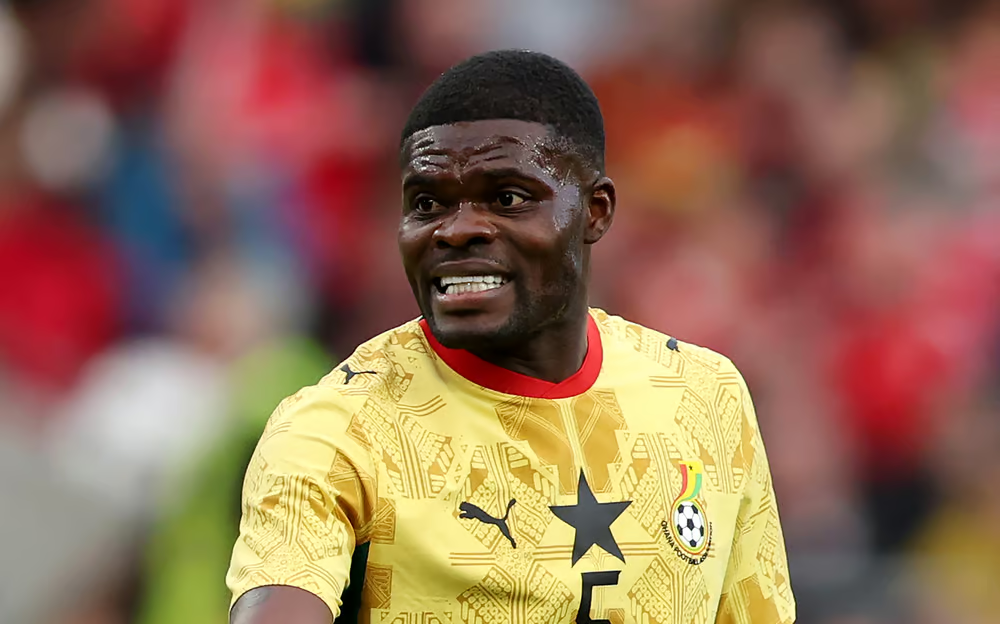
Ghana’s World Cup campaign has been thrown into early turmoil after midfielder Thomas Partey was reportedly denied entry into Canada, forcing him to miss the team’s opening group match against Panama in Toronto.
Key Highlights:
The 32-year-old midfielder, who was expected to travel with the squad from their training base in Boston, was unable to secure approval from Canadian immigration authorities.

The decision effectively ruled him out of Ghana’s first match of the tournament.
Officials have not publicly provided detailed reasons for the visa refusal, and neither Ghana’s football authorities nor tournament organizers have confirmed any additional conditions attached to the denial.
FIFA responded to the development by reiterating that it has no authority over immigration decisions, stressing that entry permissions remain entirely under the jurisdiction of host countries.
The setback is significant for the Ghana national football team, which had built its tactical structure around Partey’s experience and control in midfield.
His absence leaves a major gap in both defensive stability and transition play as the team prepares for a crucial opening fixture.
Coaching staff are now expected to reshuffle their midfield setup, with last-minute adjustments likely before kickoff in Toronto.
Read also:
- World Cup opener: Nigeria’s absence, visa barriers, ticket controversies cast shadow over football’s biggest showpiece
- Former Super Eagles goalie Daniel Akpeyi announces retirement from professional football
- Nigeria to host African Nations Cup Beach Volleyball Zone 3 qualifiers in Badagry
The situation has been further complicated by ongoing legal issues surrounding the midfielder.
Reports indicate that Partey has denied multiple criminal charges related to allegations of rape and sexual assault involving several women, with a trial expected next year. He has not been convicted of any offense.
The combination of legal controversy and sudden travel restriction has intensified scrutiny around the player, drawing widespread attention beyond the sporting context.
With their opening match against Panama approaching, Ghana now faces the challenge of reorganizing key areas of the squad at short notice.
Analysts say the disruption could affect team balance, preparation rhythm, and overall confidence heading into the tournament.
For Ghana, what was expected to be a straightforward World Cup opener has instead become a high-pressure test marked by uncertainty both on and off the pitch.