The federal government has approved a monthly transport allowance of N70,000 for public service workers across all levels for six months, beginning in November 2026, as part of efforts to ease the impact of rising living costs on Nigerian workers.
Key Highlights
- FG approves N70,000 monthly transport allowance for public service workers for six months from November.
- Outstanding peculiar allowance arrears from May 1, 2026, will be paid in three monthly instalments.
- FG and NLC fail to agree on the effective date for the new minimum wage.
- A minimum wage negotiation committee is to begin meetings immediately.
- The MoU was signed on Tuesday by Ajaero, Dingyadi and other officials.
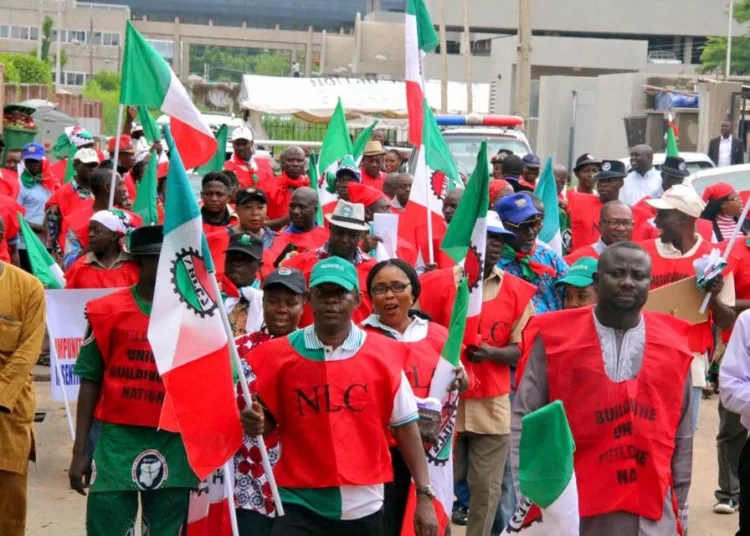
The approval was reached at a conciliation meeting between the federal government and the leadership of the Nigeria Labour Congress (NLC) in Abuja on Tuesday, October 27, following renewed demands for improved workers’ welfare and the implementation of outstanding agreements.

The government also approved the payment of outstanding peculiar allowance arrears, effective from May 1, 2026, in three equal monthly instalments beginning in November.
However, both parties failed to reach an agreement on the effective date for implementing the national minimum wage, although they agreed to constitute a minimum wage negotiation committee to commence meetings immediately.
The resolutions were contained in a memorandum of understanding signed by the Director-General of Budget, Timi Yakubu; NLC President, Joe Ajaero; the Permanent Secretary of the Service Welfare Office in the Office of the Head of the Civil Service of the Federation, Garba Abdul S.U.; and the Minister of Labour and Employment, Muhammad Dingyadi.
The agreement follows an earlier conciliation meeting held on October 22 to address disagreements between the government and organised labour over workers’ welfare and economic pressures.
N70,000 Transport Intervention
According to the memorandum, the N70,000 monthly transport intervention will cover public service workers across all levels for six months, starting in November.
However, the document did not specify the exact payment dates or explain the administrative arrangements for disbursing the allowance.
The intervention comes amid persistent concerns over transportation costs and the prices of essential goods following the removal of the petrol subsidy in May 2023, which contributed to increased living expenses across the country.
Organised labour has repeatedly called for measures to reduce the economic burden on workers, including improved wages, lower petrol prices and the fulfilment of outstanding welfare commitments.
Read also:
- NLC, TUC Place Workers On Red Alert After Failed Talks With FG, Set October 27 Deadline
- NLC Gives FG Two Weeks to Cut Petrol Prices, Demands Minimum Wage Talks
- NLC Demands Lower Petrol Prices, Wage Award, New Minimum Wage on Independence Day
Minimum Wage Date Still Unresolved
On the minimum wage, the government and labour representatives agreed that the negotiation committee would be constituted and begin work immediately.
The effective date for implementation, however, remains unresolved, leaving one of the key issues in the negotiations unsettled.
The memorandum also recorded the NLC leadership’s concerns about the government’s handling of its demands.
In response, the federal government reaffirmed its recognition of organised labour’s right to advocate improved working conditions and said it was making efforts to address the issues through structured interventions.
The national minimum wage became a major subject of negotiations in 2024, when the government and organised labour agreed to increase the statutory monthly minimum wage from N30,000 to N70,000. The new rate was subsequently enacted into law.
The latest agreement does not specify the details of any new minimum wage proposal under consideration or indicate when negotiations on the effective date would be concluded.
While the transport intervention and payment of outstanding peculiar allowances represent financial commitments to workers, other issues remain subject to further negotiations and decisions by the relevant government authorities.
For more updates, follow us on X.