
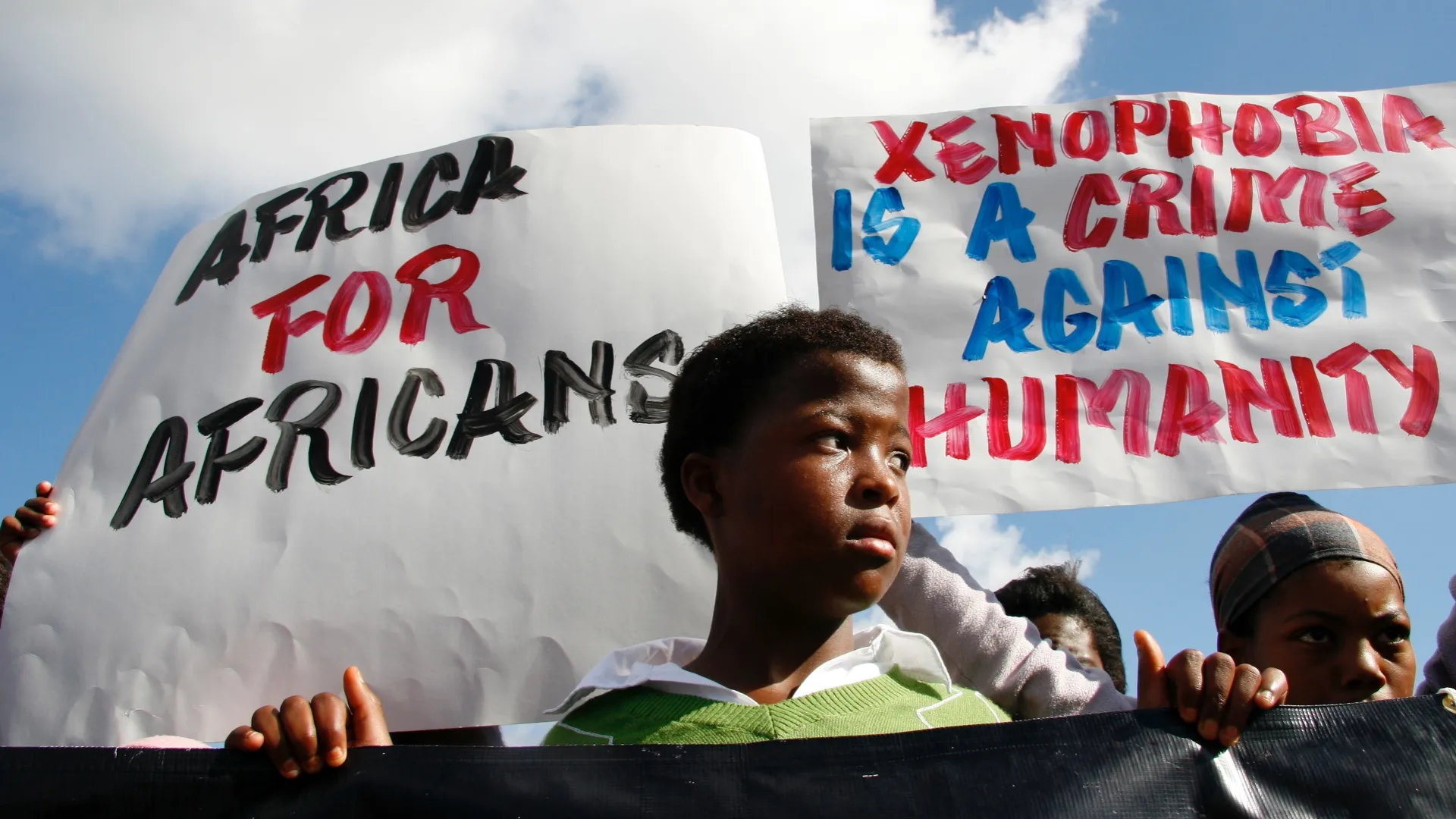
A disturbing pattern of xenophobic violence in South Africa has escalated into one of the most sensitive diplomatic flashpoints on the continent, as new details emerge of fatalities, political tensions, and urgent evacuation preparations involving foreign nationals, particularly Nigerians.
Despite repeated government assurances and public condemnations, the crisis continues to expose what analysts describe as “deep structural fractures” rooted in unemployment, inequality, and growing competition for survival in impoverished communities.
At the heart of the unrest is a familiar but volatile mix: high unemployment, widening inequality, and frustration over limited economic opportunities. In several townships, migrants are increasingly scapegoated, often without evidence accused of taking jobs and overburdening public services.

Security analysts say this narrative has created a dangerous feedback loop: poverty fuels resentment, resentment triggers violence, and violence further destabilizes already fragile communities. Social cohesion is deteriorating rapidly, with mistrust between locals and foreign nationals reaching alarming levels.
Exclusive details obtained from diplomatic sources by The Trumpet on Monday, confirm that two Nigerian nationals have died in separate incidents involving South African security personnel during the latest wave of tensions.
Amamiro Chidiebere Emmanuel reportedly died on April 25, 2026, following injuries allegedly sustained from severe beatings by members of the South African National Defence Force in Port Elizabeth.
In a separate case, Nnaemeka Matthew Andrew was found dead at the Pretoria Central Mortuary after an alleged encounter with members of the Tshwane Metro Police. The incidents, now under investigation, have triggered outrage in diplomatic circles, with Nigeria describing the cases as “utterly condemnable and unacceptable” and demanding full accountability.
The Nigerian government has escalated its response, with the Minister of State for Foreign Affairs, Bianca Ojukwu, confirming heightened anxiety over recent anti-foreigner protests in multiple South African cities. President Bola Tinubu has reportedly ordered close monitoring of the situation, while diplomatic missions in South Africa have been directed to coordinate emergency response measures.
According to official briefings, arrangements are underway for voluntary repatriation flights, with at least 130 Nigerians already registered for evacuation a figure expected to rise as tensions continue.
Recent demonstrations in Pretoria and Johannesburg between April 27–29 were largely peaceful but heavily policed, with officers deploying teargas to prevent escalation.
While no Nigerian-owned properties were reported destroyed during these protests, officials warn that another round of demonstrations scheduled for May 4–8 could further inflame tensions.
Nigeria has summoned South Africa’s High Commissioner, demanding urgent clarification and accountability over the deaths and rising hostility toward its citizens. Officials stress that Nigeria, which played a historic role in supporting South Africa’s liberation struggle, expects greater protection for its nationals.
Diplomatic sources also confirm ongoing consultations between both governments under a bilateral early-warning mechanism designed to prevent escalation of xenophobic incidents. Beyond the immediate human toll, the crisis is sending shockwaves through South Africa’s economy. Foreign-owned small businesses have repeatedly been targeted in past outbreaks of violence, while investor confidence remains fragile amid recurring instability.
Economists warn that continued unrest could deter foreign investment, weaken tourism, and disrupt labour-intensive sectors such as retail and construction where migrants play a significant role. At a regional level, analysts caution that escalation could trigger retaliatory measures, trade disruptions, or informal boycotts, threatening integration efforts under the African Continental Free Trade Area (AfCFTA).
Recent comments by Cyril Ramaphosa urging foreigners to “abide by the laws of the land” have intensified public debate. While officials insist the government opposes xenophobia in all forms, critics argue such statements risk being interpreted as placing disproportionate blame on migrants, potentially emboldening hostile groups.
Read also:
- Nigerians in South Africa cry out over renewed Xenophobic attacks, demand urgent federal government intervention
- UN condemns xenophobic attacks in South Africa as country marks Freedom Day
- Afia Schwarzenegger sparks outrage over Xenophobia comment: “Ghana Is Not Nigeria” warning to South Africa trends
Amid the tension, opposition leader Julius Malema has issued a strongly worded rebuke of xenophobic attacks. In a viral speech, Malema challenged anti-immigration rhetoric, asking: “After beating Nigerians, Zimbabweans and Ghanaians, how many jobs have you created?” He warned that “Africa rises not by chasing its own children away, but by expanding the table.”
Experts say the crisis is no longer just a domestic issue for South Africa it is a continental warning sign. If unresolved, the cycle of fear, frustration, and violence risks undermining regional unity, weakening diplomatic trust, and destabilizing Africa’s broader integration agenda.
For now, with fresh protests looming and diplomatic pressure intensifying, the situation remains volatile leaving thousands of foreign nationals caught at the center of a crisis that shows no sign of slowing.