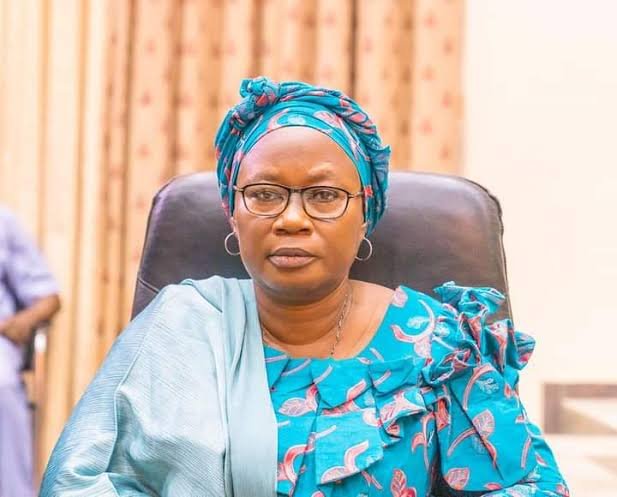
Adamawa State Deputy Governor, Prof. Kaletapwa George Farauta, has called for an Adamawa curriculum overhaul to equip students with the skills needed to meet the demands of emerging technologies, including artificial intelligence (AI).
Farauta made the call at the 37th Annual Conference of the Curriculum Organisation of Nigeria (CON), held at Adamawa State University, Mubi, under the theme, “Curriculum Innovations in the 21st Century.”

Key Highlights
- Farauta calls for continuous curriculum review to reflect technological changes.
- She advocates regular training and retraining of teachers.
- The Adamawa deputy governor urges stronger collaboration between government, industry and educational institutions.
- She says AI and emerging technologies require greater emphasis on creativity and problem-solving.
- CON identifies inadequate funding as a major challenge facing Nigeria’s education sector.
- Education experts say curriculum innovation should bridge the gap between classrooms and the world of work.
Farauta Seeks Curriculum Review
Farauta said changing demands in society and the workplace required an education system capable of preparing learners for emerging technologies and new forms of employment.
She advocated continuous curriculum review, regular training and retraining of teachers, as well as stronger collaboration among government, industries, universities and colleges.
The deputy governor also called for industrialists, farmers and other relevant stakeholders to participate in curriculum development to ensure that educational programmes remain responsive to labour market and societal needs.
According to her, curricula should promote creativity, innovation and problem-solving abilities among learners, particularly as artificial intelligence and other emerging technologies continue to reshape society and the workplace.
Read also:
- FG Says N2trn Needed to Fix 115 Federal Unity Colleges After 40 Years of Neglect
- JAMB Takes Over HND Admissions as NBTE Ends Direct Polytechnic Admissions
- JAMB Moves to Address Candidate Concerns Over Name Changes, Profile Issues
- Adamawa Poly Appoints Suleiman Samaila Acting Rector After Six Months
CON Conference Focuses On Curriculum Innovation
The conference attracted educationists, curriculum experts, researchers, policymakers and other stakeholders from across Nigeria.
Participants deliberated on emerging trends and challenges affecting curriculum development and implementation.
The President of the Curriculum Organisation of Nigeria, Prof. Grace Offorma, said curriculum innovation should translate ideas into practical solutions capable of contributing to societal development.
Offorma identified inadequate funding as one of the major challenges affecting the education sector.
Adamawa University Seeks Stronger Link Between Education And Jobs
Declaring the conference open, the Vice Chancellor of Adamawa State University, Mubi, Prof. Augustine Clement, described the institution as a centre for scholarship and collaboration.
Clement said curriculum innovation had become necessary because of rapid changes across society and the global economy.
He said an effective curriculum should bridge the gap between classroom learning and the world of work while preparing young people for the realities of the modern economy.
The Chairman of the Local Organising Committee, Prof. Kamkwis Markus Zira, said the conference theme was timely in view of rapid technological advancement, changing labour markets, global interdependence, climate risks and persistent inequalities.
Zira said curriculum innovation should equip learners with foundational knowledge, creativity, digital literacy, critical thinking, collaboration skills and ethical values.
Conference Features Academic And Professional Activities
The conference featured goodwill messages, the launch of CON journals, cultural performances, fellowship investiture for members and the presentation of awards to Farauta, Clement and other distinguished personalities.
The conference was preceded by the commissioning of the International Conference Centre at Adamawa State University, Mubi, by Farauta.
The new facility is expected to provide a modern venue for academic conferences, seminars, workshops and other major engagements, strengthening the university’s capacity to host academic and professional activities.
Get more education policy updates — follow us on X.