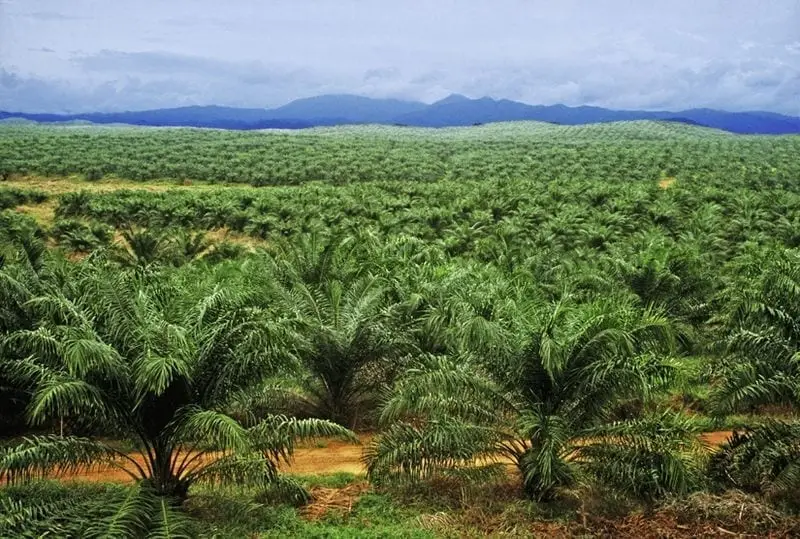
Women of Agili Community in Otuabagi, Ogbia Local Government Area have responded to the clarion call for environmental restoration by planting 7,750 Raffia Palms at the degraded Oloibiri forest in Bayelsa State.
Key Highlights:
Oloibiri is where crude oil was first struck in commercial quantify in Nigeria in 1958.The place has suffered decades of environmental degradation linked to oil exploration activities.

The women under the auspices of Otuabagi Women Farmers Cooperative Society (OWFCS) took the initiative for planting 7,750 raffia palms in the Ekpadior forest between February and May
The women-led project seeks to revive the once-thriving raffia forest and restore biodiversity in the oil polluted ecosystem
Applauding the efforts of the women on Tuesday at an event to celebrate the feat, Chief Wisdom Otolo, the traditional ruler of Agili Community described the effort as a significant contribution to environmental restoration and global ecological sustainability.
Read Also:
- Predators become prey as militants nab 6 bandits in Bayelsa, demand ₦300m ransom
- Bayelsa Tamunosoye Karibi-George crowned Miss World Nigeria 2026
- Frequent Hostel fires raise students’ safety concerns at Bayelsa Medical University
Otolo said the initiative would strengthen ecological conservation and improve the long-term environmental health of the area.
The project was facilitated by the Community Environment and Development Network (CEDEN) with funding support from the Global Greengrants Fund.
The women exceeded their original target of 7,000 raffia palms, planting a total of 7,750 seedlings.
OWFCS Chairperson, Derite Inara, said the project provided valuable knowledge and practical experience for participating women.
She applauded members for their commitment and enthusiasm throughout the restoration exercise.
The group’s Secretary, Sarah Emiebo, pledged continued efforts to protect and conserve economically valuable tree species in the community.
She said Otuabagi women have historically played key roles in preserving local ecological resources.
Financial Secretary, Warikiente Walama, said the project highlighted the economic and nutritional benefits of raffia to the ecosystem.
According to her, many younger women gained first-hand knowledge of raffia nurseries and their livelihood potential.
Also, Azibaolanami Egbo, Treasurer said the collective effort strengthened unity and cooperation among women in the community.
The women leaders called for stronger collaboration with government agencies to expand economic opportunities for rural women.
Otolo also thanked the Global Greengrants Fund, Social Action, and the Bayelsa State Ministry of Environment for supporting the restoration initiative