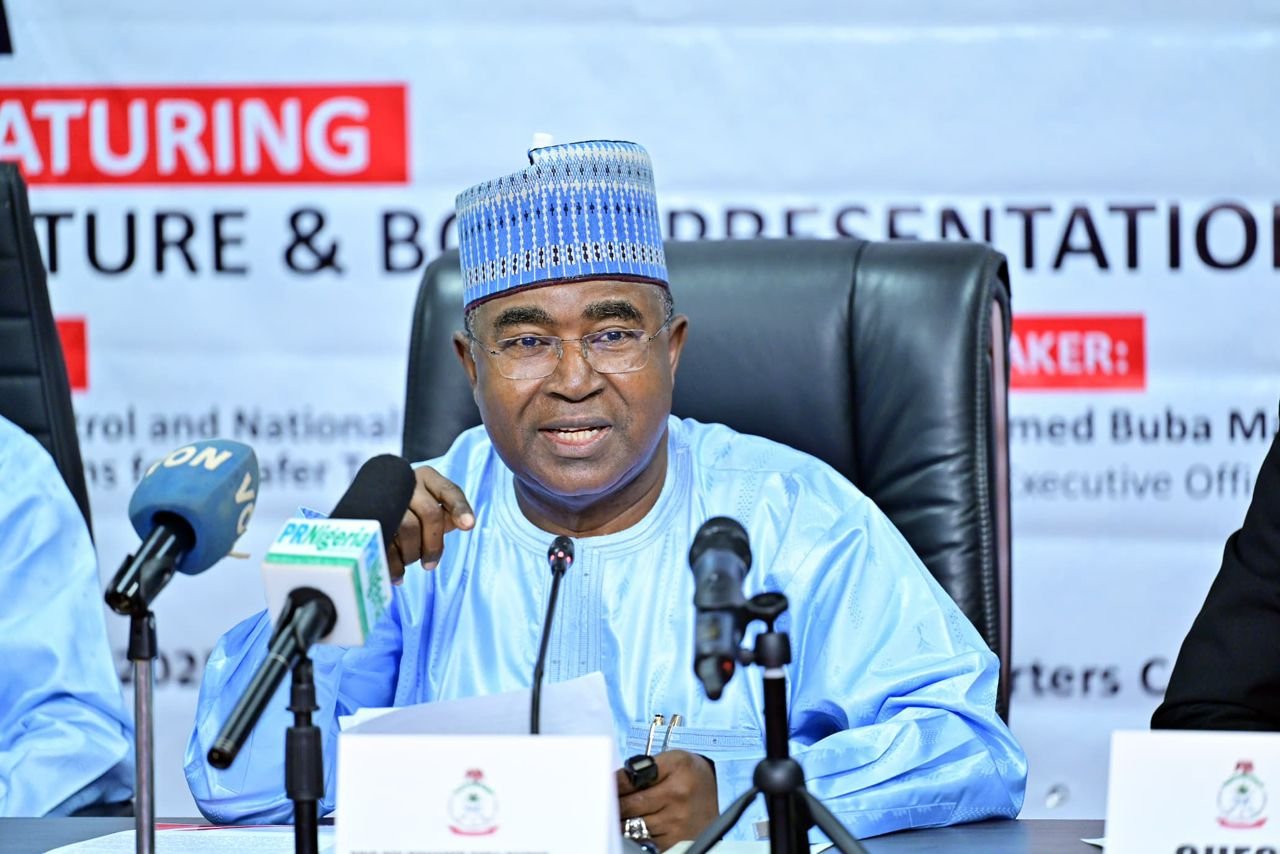
Chairman of the National Drug Law Enforcement Agency (NDLEA), Brig. Gen. Mohamed Buba Marwa (rtd), has warned that Nigeria cannot effectively tackle drug abuse without addressing underlying mental health problems, including depression, trauma and psychological distress.
Key Highlights
- Marwa says drug abuse and mental illness feed each other, and arrests alone will not solve the problem.
- He calls for more government funding for mental healthcare and more trained personnel.
- NDLEA rehabilitation facilities treated more than 53,843 people in five years.
- A pilot in three Ondo communities helped former cannabis growers find legitimate income.
- He spoke at The Conversation Conference (TCC 5.0) in Abuja.
Marwa said the cycle of substance abuse and mental illness would persist if authorities focused primarily on arrests without expanding access to mental health services and treatment.

“Drug use and mental illness feed each other. If we only arrest the symptoms, we will keep missing the cause,” he said.
The NDLEA chief made the remarks on Tuesday while chairing the fifth edition of The Conversation Conference (TCC 5.0), organised by the Intersect Consortium at the Nicon Luxury Hotel in Abuja.
Speaking days after World Mental Health Day, Marwa called for increased government funding for mental healthcare, stronger collaboration across sectors and greater attention to vulnerable groups, particularly women and children.
He said the conference presents an opportunity to move beyond public awareness towards practical interventions capable of addressing the social and psychological factors driving drug abuse and mental health challenges.
‘Untreated Pain’
According to him, many people who end up abusing drugs are struggling with untreated psychological problems that often go unnoticed until they develop into more serious conditions.
“For too long, we treated mental health as a private burden, hidden behind shame and silence. In my work at the NDLEA, I see the cost of that silence daily,” he said.
“Behind many cases of drug abuse is untreated pain: depression nobody noticed, trauma nobody addressed, a young person who found a substance before finding help.”
He said mental well-being cannot be achieved in communities where poverty, hopelessness and limited economic opportunities push people towards harmful activities, including illicit drug-related livelihoods.
Ondo Pilot, WADA Campaign
The NDLEA boss cited the agency’s intervention in three pilot communities in Ondo State, where residents who previously depended on illicit cultivation of cannabis were supported to establish legitimate sources of income.
He said the initiative demonstrates how community-driven economic interventions can help address some of the underlying conditions contributing to drug-related problems.
“When people have hope, income and a stake in their future, stress eases, families stabilise and communities grow resilient,” he said.
Marwa added that the agency intends to expand the model nationwide and urged development partners and other stakeholders to support the initiative.
He also highlighted the NDLEA’s War Against Drug Abuse (WADA) campaign, which targets young people in schools, tertiary institutions and communities, as well as its toll-free helpline, which provides round-the-clock assistance to people seeking support.
The agency’s rehabilitation facilities have treated more than 53,843 people over the past five years, according to Marwa.
He said the figure represented individuals who had received an opportunity to rebuild their lives, return to their families and resume education or employment.
Read also:
- NDLEA Call On Nigerians Battling Drug Addiction To Seek Help Through Its 24-Hour Counseling Service
- NDLEA Trains Over 100 Counselors to Strengthen Drug Rehabilitation Services
- Marwa Directs NDLEA Investigators To Trace, Seize, Recover Proceeds, Assets Of Drug Traffickers
Funding And Access To Care
However, he warned that mental healthcare remained inadequately funded and inaccessible to many Nigerians, particularly those unable to afford private treatment or travel long distances to reach specialists.
“Mental health cannot remain the poorest relation in our health budgets,” he said, arguing that investment in prevention, trained personnel and accessible treatment would yield benefits in productivity, public safety and family stability.
He called for more psychiatrists, psychologists, counsellors and community health workers, alongside the integration of mental health services into primary healthcare facilities.
According to him, decentralising services would reduce the burden on patients who must travel long distances to obtain treatment.
He also stressed the need for equitable financing, warning that mental healthcare would remain out of reach for many Nigerians if access depended largely on personal income.
“Care that only the well-off can afford is not a system, it is a privilege,” he said.
Support For Vulnerable Groups
Marwa further called for stronger protection and support for women, children and other vulnerable populations, including survivors of violence, displaced mothers, girls without adequate support, persons with disabilities and families uprooted by conflict.
He said the NDLEA’s experience had shown that recovery was more sustainable when support extended beyond the individual to include mothers, children and the wider household.
The agency chief maintained that addressing drug abuse and mental health challenges required coordinated action by the health, education, security, justice and social welfare sectors, rather than isolated interventions by individual institutions.
He commended Vice President Kashim Shettima for supporting the conference. Shettima was represented at the event by Senator Ibrahim Hadejia.
Marwa urged participants to translate their discussions into measurable commitments, including increased funding for effective interventions, expansion of community-based programmes and improved support for women, children and other vulnerable groups.
“Let us build a Nigeria where seeking help is an act of courage, where recovery is possible, and where no one suffers alone,” he said.
For more health news, follow us on X.