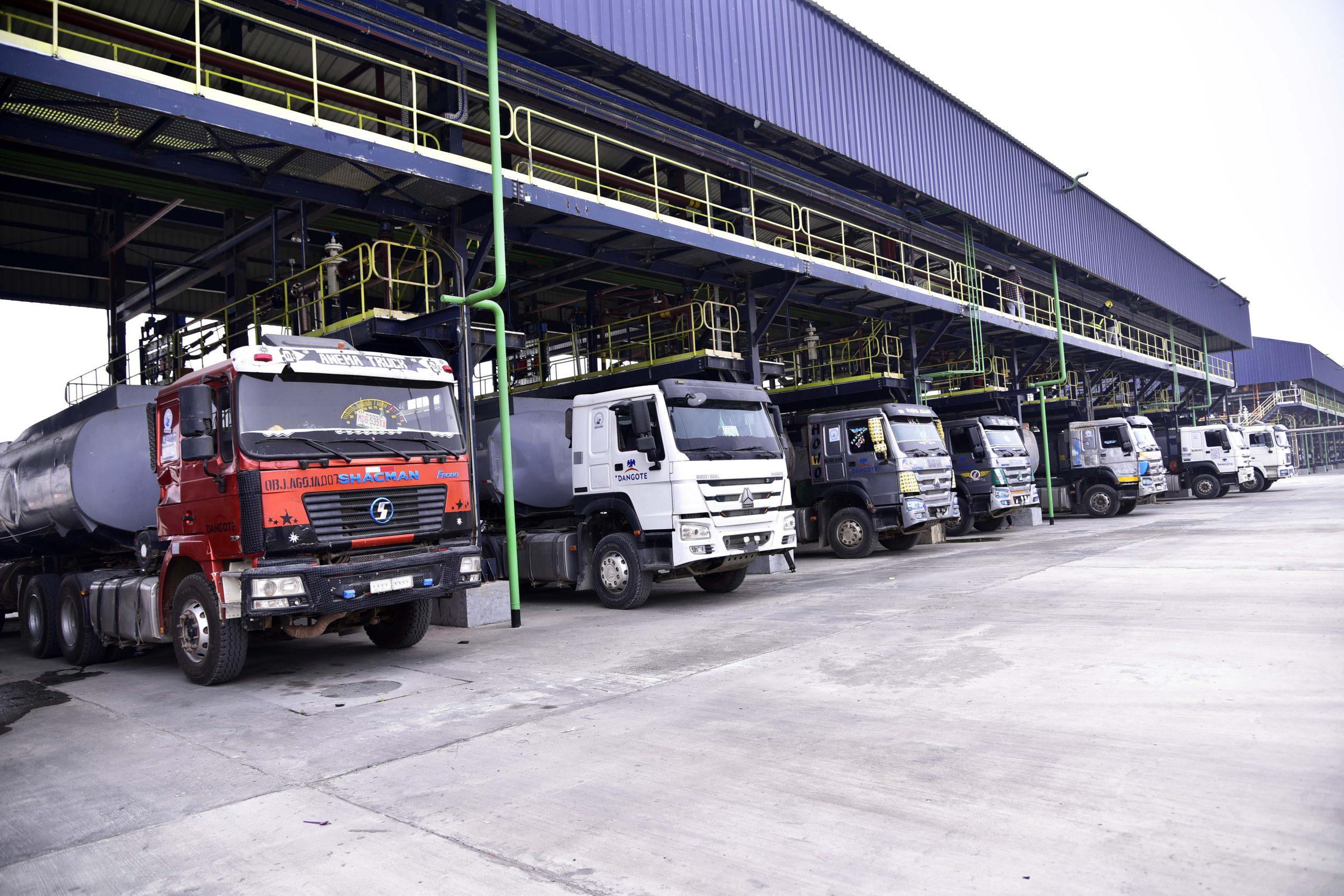
Dangote Sinotruk, the joint venture between Dangote Industries Limited and China’s Sinotruk Group, has rolled off its first electric heavy-duty truck in Lagos, extending the partnership from conventional and compressed natural gas (CNG)-powered vehicles into electric commercial vehicle production.
Related: Nigerian transport giants shift to vehicle assembly as passenger traffic declines

Key Highlights
- Dangote Sinotruk has unveiled its first locally assembled electric heavy-duty truck in Lagos.
- The joint venture says it has assembled more than 8,000 vehicles in Nigeria since its first truck in 2017.
- The move follows the company’s earlier expansion into CNG-powered vehicles.
- The truck’s price, battery capacity, driving range and production volume were not disclosed.
- The company plans to work with government agencies and partners on charging infrastructure.
- Sinotruk is expected to train Nigerian engineers and technicians, including at its facilities in China.
From Diesel Trucks to CNG and Electric Vehicles
The Dangote-Sinotruk partnership dates back to 2010, when both groups began working together. They formally established their joint venture in 2014, and by 2017, the company had assembled its first heavy-duty truck in Nigeria.
Since then, Dangote Sinotruk says it has assembled more than 8,000 vehicles locally, including heavy-duty trucks, tippers, light trucks, pickups and buses.
In 2024, the company expanded its manufacturing capacity with the introduction of a commercial vehicle welding and e-coating paint line, allowing more production processes to be carried out locally.
The company later expanded into compressed natural gas (CNG)-powered vehicles. The newly unveiled electric truck represents another step in its move towards alternative-energy commercial vehicles.
Dangote Explains Move Into Electric Truck Technology
Speaking at the unveiling, Group Vice-President of Dangote Industries Limited, Devakumar Edwin, described the electric truck project as part of the company’s response to the global shift towards sustainable transportation.
He said the company had moved from conventional vehicles to CNG technology and was now embracing electric vehicle production.
“Today, we are taking an important further step as the global economy is looking for sustainable business, that is, vehicles which will also be protective of the environment. So, we went into CNG technology and now we are going into the electric technology. This is a technology which is revolutionising the whole world,” Edwin said.
He explained that electric commercial vehicles could help operators reduce running costs and tailpipe emissions, depending on their operating conditions.
Edwin, however, noted that the economic benefits would depend on factors such as the cost of electricity, the nature of the transport operation and the availability of charging infrastructure.
“Depending on the application, the electricity cost and the charging infrastructure, it is going to be highly beneficial to the people,” he added.
Dangote Sinotruk Addresses Charging Infrastructure Concerns
Despite the unveiling, several details about the electric truck remain undisclosed. The company did not announce the vehicle’s price, battery capacity, driving range or its planned production volume.
These details will be important to transport operators and fleet owners considering a shift from diesel or CNG-powered trucks to electric vehicles.
Dangote Sinotruk said it was preparing to provide technical expertise, spare parts and after-sales support to customers. The company also plans to work with government agencies, business partners and customers to support the development of charging infrastructure.
Edwin said the company recognised that the successful adoption of electric trucks would require reliable charging facilities, skilled technicians, spare parts and effective after-sales services. He said the company was already putting together a team to provide the necessary support.
Sinotruk Says Electric Truck Will Support Nigeria’s Industrial Growth
President of Sinotruk Group, Liu Wei, described the rollout as an important development for Nigeria and West Africa’s automotive manufacturing industry. He said the project represented progress in local manufacturing and the adoption of new-energy commercial vehicles.
“Today, we gather in the beautiful city of Lagos to witness the official roll-off of the first electric heavy-duty truck from the joint venture. More importantly, it represents a substantial step forward for Nigeria and West Africa in driving localised manufacturing and the green transition of new-energy commercial vehicles,” Liu said.
He added that the initiative aligned with Nigeria’s energy-transition plans and efforts to reduce emissions from transportation.
According to Liu, the partnership aims to contribute to domestic industrial development through technology transfer, local production and the training of Nigerian workers.
Read also:
- Nigerian transport giants shift to vehicle assembly as passenger traffic declines
- Delta Government To Receive 50 New Buses By January 2027 As CNG Transport Expansion Begins
- FG Commissions 3 LCNG Facilities In Kano To Expand CNG Adoption
Dangote Plans to Train Nigerian Engineers and Technicians
Dangote Sinotruk said its long-term ambition is to become a leading vehicle assembly and manufacturing company serving the West African market.
Its strategy includes expanding local assembly operations, transferring technology, developing Nigerian technical talent, increasing local value addition and creating employment opportunities.
As part of the technology-transfer programme, Sinotruk is expected to train Nigerian engineers and technicians, including through practical training at its facilities in China.
The Lagos State Government also welcomed the development. A representative of the Commissioner for Transportation said the locally assembled electric truck demonstrated Nigeria’s capacity to participate in the transition to cleaner transport technology.
What the Electric Truck Means for Nigerian Businesses
The introduction of electric heavy-duty trucks could have implications for Nigeria’s transport, logistics and manufacturing sectors if the technology becomes commercially viable.
Haulage costs remain a major expense for manufacturers, farmers, retailers and distributors moving goods between factories, warehouses, markets and ports.
Electric trucks could help reduce energy and maintenance costs, although the actual savings will depend on vehicle prices, electricity tariffs, charging access, battery performance and operating conditions.
The development could also create opportunities for Nigerian engineers, technicians and automotive component suppliers as the electric vehicle industry expands.
However, the adoption of electric heavy-duty trucks will require more than local assembly. Reliable electricity, accessible charging stations, affordable vehicles and a dependable maintenance network will be essential to encourage widespread use.
Dangote-Sinotruk Electric Truck Launch Generates Debate
The unveiling has also generated public debate about Nigeria’s automotive manufacturing sector and the country’s readiness for electric commercial vehicles.
While some Nigerians have welcomed the development as a boost for local manufacturing, employment and industrial growth, others have questioned why Dangote chose to deepen its partnership with China’s Sinotruk rather than work with indigenous vehicle manufacturer Innoson Vehicles.
Others have raised questions about the transition of a business empire built largely around cement, petroleum refining and other conventional industries into electric mobility.
The reactions have drawn attention to wider questions about local technology development, foreign partnerships and Nigeria’s ability to build a competitive automotive manufacturing industry.
Electric Truck Launch Marks New Phase for Nigeria’s Automotive Industry
The rollout of the electric heavy-duty truck represents a new direction for the Dangote-Sinotruk partnership and its operations in Nigeria.
However, the project’s long-term impact will depend on the number of trucks produced, their market price, driving range, charging requirements and the availability of maintenance support.
For now, the unveiling marks the entry of electric heavy-duty truck assembly into Nigeria’s local automotive manufacturing landscape, with the potential to support the country’s transition towards cleaner commercial transportation.
For more business and industry updates as they break, follow us on X.