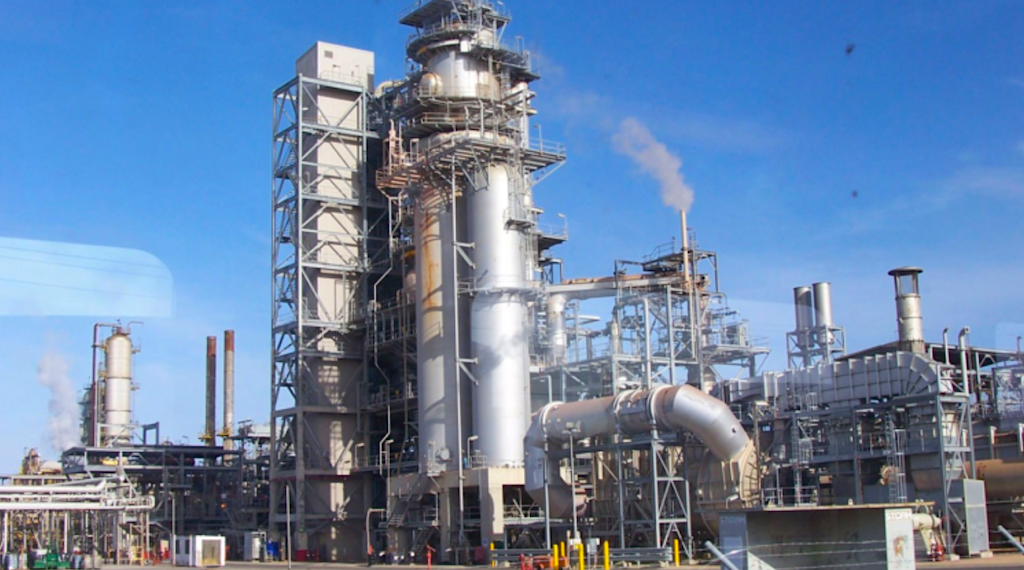
Africa’s largest oil refinery, the Dangote Petroleum Refinery, is on the cusp of achieving full operational capacity, with production ramping up to 610,000 barrels per day (bpd) in August, just shy of its nameplate limit of 650,000 bpd. This surge marks a significant step forward for the facility, which has been steadily increasing output and demonstrating remarkable reliability since commencing operations in early 2024.
Owned by Aliko Dangote, Africa’s wealthiest individual, the refinery has exceeded industry expectations by maintaining consistent high-level performance throughout 2025. In June, production hovered between 440,000 and 450,000 bpd, but it has since climbed steadily, with crude receipts reaching a record 644,000 bpd in July. Industry observers note that several processing units are already operating at over 100% capacity, with some hitting as high as 143%. “The refinery has been running more reliably and efficiently, surpassing what many anticipated,” according to market sources.
The facility’s progress is not limited to current operations; ambitious expansion plans are underway to push capacity to 700,000 bpd by December 2025. This upgrade, involving de-bottlenecking and major renovations, is part of a phased strategy to optimize the refinery’s single-train design; the world’s largest of its kind. Once achieved, it will position Dangote to overtake the sixth-largest refinery globally in terms of output. Additionally, the refinery aims to source 100% of its crude oil from Nigeria by year’s end, up from 53% in June, reducing dependence on imports and bolstering local energy security.

Economically, the Dangote Refinery is reshaping Nigeria’s fuel landscape. It has emerged as the primary price-setter for gasoline in the country, offering products at rates that undercut competitors and drive down costs for consumers. This has led to a dramatic 50% drop in Nigerian gasoline imports from Europe between May and June, falling to under 250,000 tonnes—the lowest in nearly a decade. As a result, Nigeria is poised to transition from a net importer to a net exporter of refined products, with recent shipments including approximately 1.35 billion liters of petrol to West African neighbors and even first-time exports to Asia in June.
Read also:
- Tension rises as Dangote Refinery set to roll out 4,000 CNG Trucks for direct fuel distribution from August 15
- Dangote Refinery slashes petrol price again
- Dangote Refinery expands distribution with 15 new partners, cuts fuel prices ahead of August rollout
The refinery’s growing influence extends regionally, weakening Europe’s hold on the West African gasoline trade and potentially stabilizing fuel prices across the continent. To support these developments, Dangote secured a $1.35 billion financing package from the African Export-Import Bank (Afreximbank) as part of a larger $4 billion syndicated credit facility. This funding is expected to lower operational costs and fuel further growth.
While challenges such as regulatory hurdles and supply chain issues have been navigated in the past, the refinery’s trajectory suggests a bright future. Experts predict that full capacity operations will not only enhance Nigeria’s self-sufficiency in refined petroleum products but also create thousands of jobs and stimulate related industries. As the facility edges closer to its targets, it stands as a testament to Africa’s potential in the global energy sector.