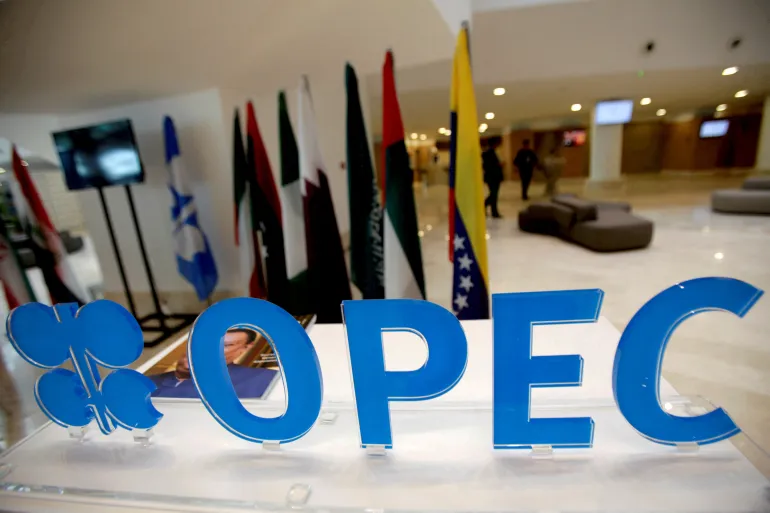
The Chartered Risk Management Institute of Nigeria (CRMI) has issued a policy advisory, cautioning over the potential geo-economic disruptions that would follow the decision of the United Arab Emirates (UAE) to exit the Organization of the Petroleum Exporting Countries (OPEC), effective May 1, 2026.
In a statement signed by its Registrar and Chief Executive Officer, Victor Olannye, the institute described the development as a major shift in global oil governance with far-reaching implications for energy markets and economic stability.

Olannye noted that the move could trigger increased oil price fluctuations, geopolitical tensions, and disruptions across global energy supply chains.
He urged corporate organisations, government institutions, financial players, and risk professionals to reassess their strategies and strengthen resilience against emerging uncertainties.
The institute identified key risks associated with the development, including weakening cohesion within OPEC, heightened market volatility, macroeconomic instability, and the possibility of other member states following suit.
Highlighting the implications for Nigeria, the CRMI said the situation could offer opportunities such as greater production flexibility, improved market share, and increased revenue potential.
However, it warned that these benefits may be offset by exposure to unstable oil prices, increased competition, and fiscal pressures.
To mitigate these risks, the institute advised corporate organisations to strengthen their risk management frameworks, adopt flexible hedging strategies, and diversify operations.
Read also:
- NNPC Boss Maryamu Idris appointed Nigeria’s OPEC National Representative
- OPEC: Dangote refinery affecting European petrol market
- Again, OPEC adjusts oil-demand outlook, eyes higher supply to global market
Financial institutions and investors were urged to reassess energy-related exposures, improve portfolio diversification, and enhance transparency in risk reporting.
The CRMI also called on policymakers to build stronger fiscal buffers, accelerate economic diversification, and prioritise the transition to renewable energy sources.
For risk professionals, the institute recommended developing expertise in geopolitical risk analysis, energy economics, and advanced forecasting techniques such as scenario planning and predictive analytics.
The institute added that the evolving situation could reshape global oil governance, potentially leading to more market-driven pricing systems and a faster transition towards alternative energy sources.
The CRMI urged stakeholders to take proactive steps to adapt to the changing geo-economic landscape and safeguard long-term stability.