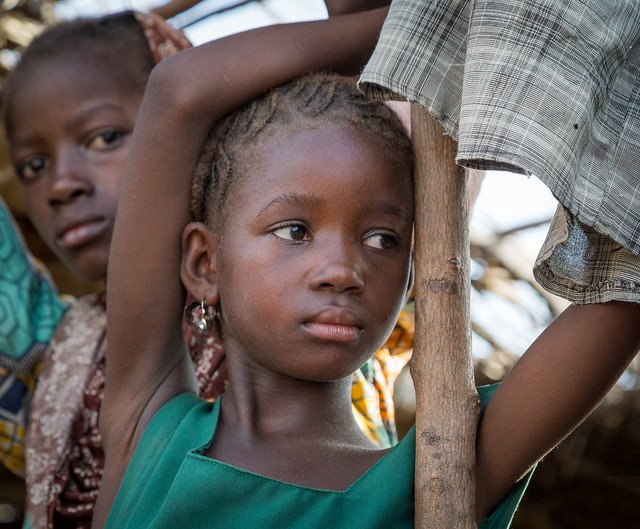
Millions of children across Nigeria continue to endure severe hardship as poverty, insecurity, poor healthcare, and limited access to education threaten their survival and future.
Key Highlights:
- Children in Nigeria face poverty, hunger, insecurity, and poor access to education and healthcare.
- School attacks and violence have forced many children out of classrooms.
- Poverty has increased child labour, street hawking, and the out-of-school crisis.
- Many children suffer from malnutrition, illness, and emotional trauma.
- Groups across the country are urging the government to protect and support children better.
Although children are often described as the hope of the nation, many are growing up under difficult conditions marked by hunger, violence, exploitation, and neglect.

Insecurity remains one of the greatest threats facing children in Nigeria. Across several regions, children have become victims of kidnappings, terrorism, banditry, and communal clashes.
Frequent attacks on schools in states such as Kaduna, Zamfara, Niger, and parts of the North-East have disrupted education for thousands of pupils, forcing many families to withdraw their children from school over safety concerns.
Many displaced children now live in overcrowded camps where access to food, medical care, and education remains inadequate.
Growing Out-of-School Children Crisis
Nigeria continues to battle a major out-of-school children crisis driven by poverty, insecurity, child labour, early marriage, and poor educational infrastructure.
In many rural communities, children walk long distances to poorly equipped schools, while others abandon education completely to support their families financially.
For countless children, daily survival has become more important than pursuing an education.
Child Labour and Street Hawking Persist
In several cities across the country, children are commonly seen hawking goods on busy roads and under harsh weather conditions instead of being in classrooms.
Economic hardship has pushed many families to involve children in labour at an early age, exposing them to dangerous and exploitative conditions.
Read Also:
- Children’s Day: FGGC, Bwari Old Girls Association urges children to embrace excellence
- WACHEF, Action Aid takes Children’s Day celebration to Taraba rural communities
- Children’s Day: Sanwo-Olu tasks parents to inculcate right values in children
Some children work in markets, farms, workshops, and homes as domestic workers, while others face risks of trafficking, abuse, and involvement in criminal activities.
Hunger, Malnutrition, Poor Healthcare
The rising cost of living and worsening economic conditions have deepened hunger and malnutrition among Nigerian children.
Many households struggle to afford nutritious meals, resulting in cases of stunted growth and poor health among children.
Healthcare access also remains a serious challenge, particularly in rural communities where hospitals are either under-equipped or inaccessible. Diseases such as malaria, cholera, and respiratory infections continue to affect thousands of children yearly.
Emotional Trauma and Mental Struggles
Beyond physical hardship, many children are also dealing with emotional and psychological trauma caused by violence, poverty, displacement, and unstable family conditions.
Children who witness attacks or lose loved ones often suffer fear, anxiety, and emotional distress, while access to mental health support remains limited in many parts of the country.
Calls for Immediate Intervention
Human rights groups, religious leaders, celebrities, and civil society organisations have repeatedly urged the government to prioritize child welfare and strengthen policies protecting children.
Many Nigerians believe urgent reforms in security, education, healthcare, and poverty alleviation are necessary to safeguard the future of millions of children across the country.
Concerns continue to grow that without decisive action, the worsening conditions affecting children could have long-term consequences for Nigeria’s social and economic development.