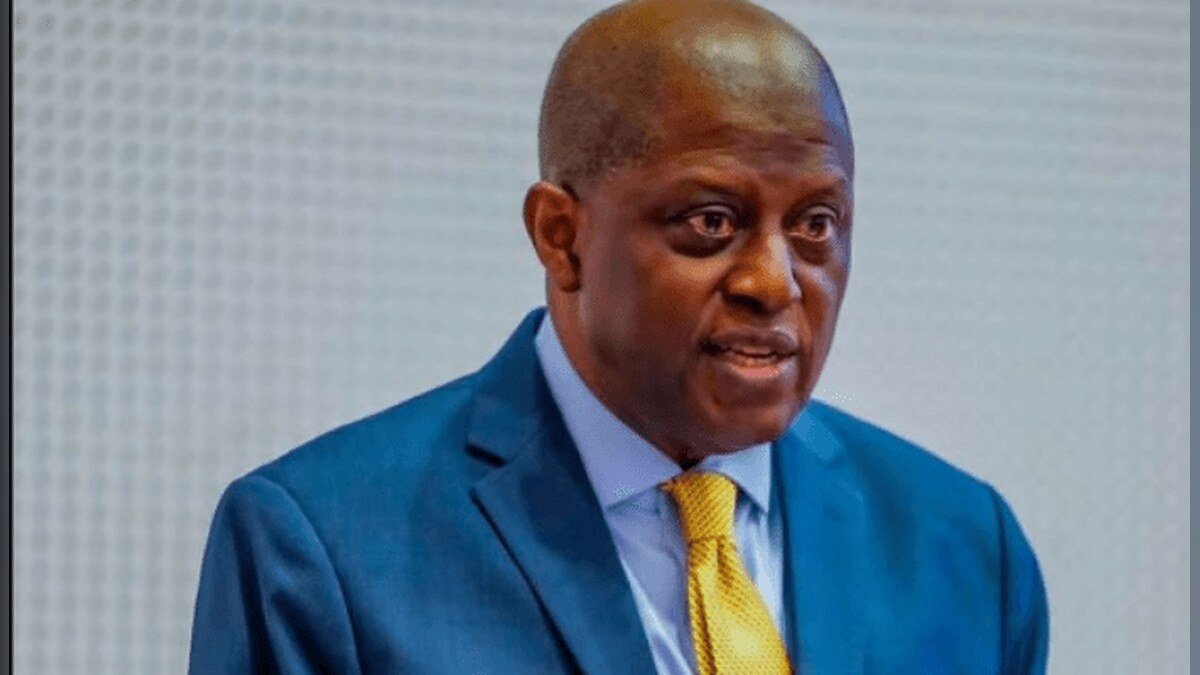
The Governor of the Central Bank of Nigeria (CBN), Mr Olayemi Cardoso, has called for equity, fairness and proportional representation in the governance structure of the proposed ECOWAS Monetary Union, stressing the need to align decision-making powers with the financial commitments and responsibilities of member states.
Key Highlights
- Cardoso advocates fair representation in the governance of the proposed ECOWAS Monetary Union.
- Nigeria’s financial contributions and responsibilities should be reflected in its role in decision-making.
- The CBN governor reaffirmed Nigeria’s commitment to the ECO single currency project.
- He warned that unequal obligations and influence could undermine the union’s long-term sustainability.
- The proposed phased introduction of the ECO single currency is scheduled to begin in 2027.
Cardoso made the call in Abidjan, Côte d’Ivoire, during the ministerial session of the 6th Presidential Task Force Meeting on the ECOWAS Single Currency Programme.
The Ministerial Committee of the ECOWAS Presidential Task Force comprises finance ministers and central bank governors from member states.

Institutional structure at the centre of talks
He described the meeting as a defining milestone in the region’s monetary integration process, noting that recent deliberations had focused on critical issues surrounding the institutional structure of the proposed monetary union.
These include the location of its institutions, leadership appointments, and the allocation of authority and responsibilities among member states.
“The decisions we take today will shape the future of the Union for decades to come,” Cardoso told delegates.
“They will influence its credibility in the eyes of investors and development partners, its legitimacy in the eyes of our citizens, and the confidence of member states that their commitments are being matched by a meaningful voice within the institutions they are helping to build.”
Nigeria’s commitment and the case for equity
The CBN governor reaffirmed Nigeria’s commitment to the ECOWAS Monetary Cooperation Programme and the establishment of the ECO single currency, describing the country’s support as “longstanding and unwavering”.
He cited Nigeria’s substantial financial contributions, sustained technical support and willingness to make compromises in the broader interest of regional consensus.
“Nigeria has and will continue to demonstrate solidarity and fairness, respecting the sovereignty of other member states. We remain fully committed to the successful establishment of the ECO and to a monetary union that is credible, sustainable and beneficial to all member states,” Cardoso declared.
However, he maintained that regional solidarity must be accompanied by equity, arguing that countries with larger economies and greater financial responsibilities should receive fair consideration in the governance of the institutions they support.
“While bigger economies continue to take up the burden, they should also be considered to play a significant role because of the risk and systemic importance they have in the sub-region.”
Read also:
-
\t
- CBN, NNPCL Sign MoU To Boost FX Inflows, Reserves And Energy Financing
- Oyedele, Cardoso Meet World Bank President to Discuss Nigeria’s Economic Growth Strategy
- CBN Grants JPMorgan Preliminary Approval To Establish Merchant Bank In Nigeria
\t
\t
“Above all, such economies need to defend the huge contribution they make before their respective parliaments and the civil society. Where obligations are shared but influence is not, arrangements may be agreed, but their long-term sustainability may be difficult to guarantee,” he added.
Reiterating Nigeria’s position, Cardoso emphasised that the country’s stance was not driven by a desire for dominance or entitlement but by a sense of responsibility arising from its position as the region’s largest economy and one of the principal contributors to the proposed monetary union.

He noted that Nigeria “will commit substantial financial resources, reserves and institutional capital to the success of the monetary union”.
According to him, it is therefore reasonable for responsibility, accountability and participation in governance to reflect the scale of the commitments made by individual member states.
Cardoso urged delegates to approach the discussions with openness, mutual respect and a willingness to compromise, expressing confidence that a balanced outcome could be achieved through a shared commitment to building a strong, stable and prosperous monetary union.
He also stressed the importance of ensuring that every member state had a tangible stake in the union’s success, warning against a situation in which countries shoulder significant obligations without having a corresponding voice in governance.
The meeting, which focused on accelerating preparations for the phased introduction of the proposed ECO single currency from 2027, provided a platform for member states to discuss the institutional and governance arrangements needed to establish the ECOWAS Monetary Union.
For more updates on this story and other breaking news, follow us on X.