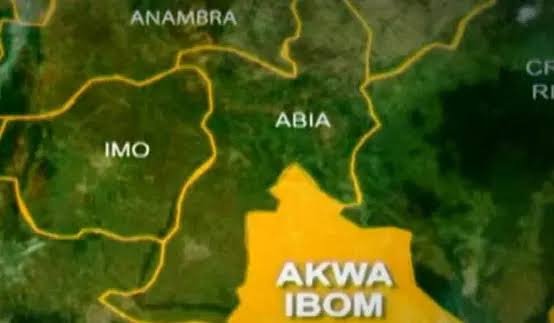
Leaders, elders, youths and other stakeholders of Unyenge, a riverine oil-producing community in Mbo Local Government Area of Akwa Ibom State, have renewed calls for the creation of a separate local government area for the territory as part of the proposed Obolo State.
The stakeholders argued that the creation of more states and local government areas would help address concerns of marginalization and bring governance closer to the people.

Speaking under the platform of the Unyenge Proposed Local Government Movement (UPLGM), the stakeholders made their position known in a communiqué issued after a consultative meeting.
The communiqué, signed by the Convener, Ambassador Harry Johnson, called for the creation of Unyenge Local Government Area from the existing Mbo Council Area.
According to the group, the proposed local government is justified by Unyenge’s vast geographical size, population, strategic coastal location and significant economic contributions.
They noted that the area’s access to the Atlantic Ocean coastline provides immense opportunities for fishing, maritime commerce, trade and other economic activities capable of sustaining a viable local economy.
Read Also:
- Tension rises as Akwa Ibom communities dispute ownership of coastal port project
- Cross River’s push to reclaim oil producing status, lost oil wells
- Akwa Ibom denies ceding 76 oil wells to Cross River
The stakeholders highlighted the Stubb Creek axis, known for its rich deposits of oil, gas and valuable maritime ecosystems, as a critical economic asset that could drive development if managed under a dedicated local government administration.
They further pointed to the presence of major oil and gas operators, including Savannah Energy Resources Limited, Universal Energy Resources Limited and Tulcan Oil & Gas Exploration/Production, whose activities are concentrated around Oil Mining Lease (OML) 14 and surrounding areas.
The movement also referenced the operations of Shimoa Mining Investment Limited, a Chinese-owned company involved in the extraction of black sand in the community, as evidence of the area’s growing economic significance.
Beyond the extractive industries, the group noted that fishing, farming, timber processing and trading remain major sources of livelihood for residents and contribute substantially to the local economy.
“The combination of natural resources, commercial activities and Unyenge’s strategic coastal location provides a strong basis for establishing a separate local government within the proposed Obolo State,” the communiqué stated.
The stakeholders also identified the proposed Ibaka Deep Seaport project as a major catalyst for future economic growth across the coastal corridor.
They argued that Unyenge stands to benefit significantly from increased maritime activities, investment opportunities, trade expansion and job creation once the project becomes operational.
According to them, realizing these opportunities would require effective planning, improved infrastructure and a governance structure capable of responding directly to local needs.
The movement therefore urged the National Assembly and other relevant authorities to give serious consideration to the proposal for the creation of Unyenge Local Government Area as discussions on new local government areas and the proposed Obolo State continue nationwide.
They maintained that establishing the local government would strengthen grassroots governance, attract investments and accelerate infrastructure and socio-economic development across the coastal communities.