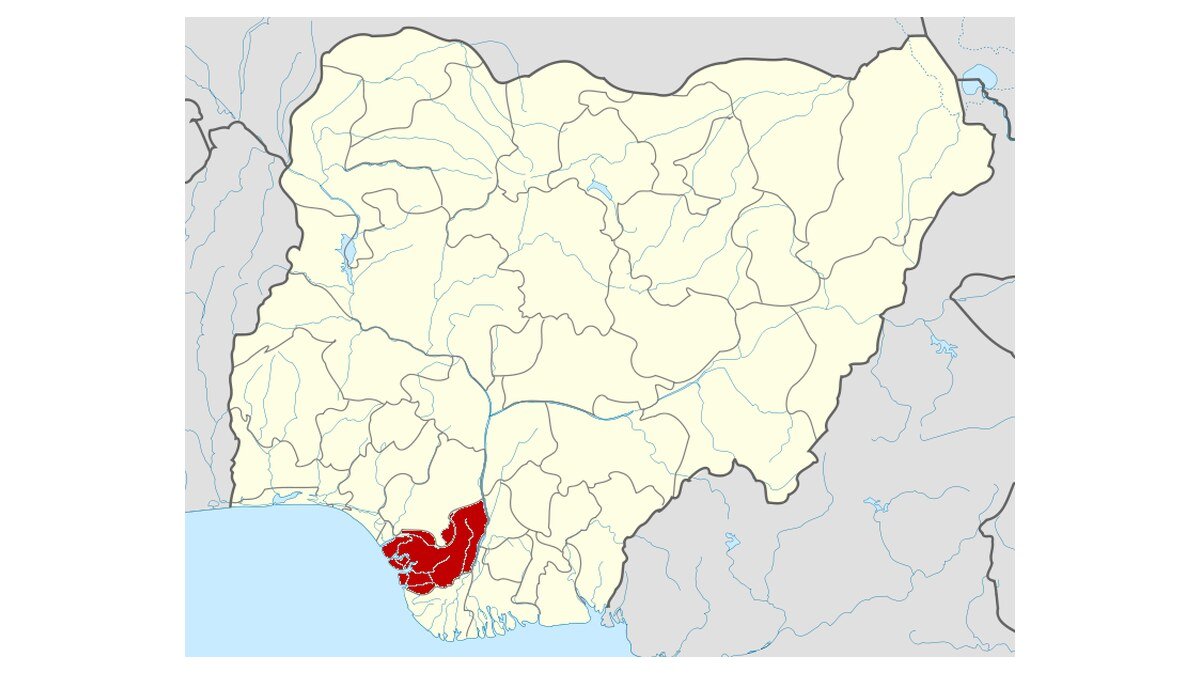
Financial technology companies and commercial banks are expanding agent-banking services across Nigeria to improve access to financial services in underserved communities, with rural and riverine areas such as Patani Local Government Area of Delta State offering opportunities to bring banking closer to residents, traders, farmers and fishers.
Key Highlights
- Agent banking is helping extend financial services to rural and riverine communities with limited access to conventional bank branches.
- Residents of Patani LGA could benefit from easier access to cash withdrawals, deposits, transfers and bill payments through local agents.
- Fintech platforms such as Moniepoint, OPay and PalmPay operate alongside bank-led networks to expand access to digital financial services.
- Central Bank of Nigeria regulations introduced in 2025 seek to strengthen oversight of agent-banking operations.
- Network failures, cash shortages, security concerns and operating costs remain challenges for agents in rural communities.
- Improved financial access could support small businesses, market traders, farmers and fishing communities in Delta State.
Agent Banking Targets Underserved Communities in Patani
Agent banking allows approved retailers and local entrepreneurs to provide basic financial services through point-of-sale (POS) terminals and other digital banking channels.

The model enables customers to conduct transactions such as cash deposits, withdrawals, transfers, airtime purchases and bill payments without visiting a conventional bank branch.
In Patani, an Ijaw-majority local government area in Delta State, the model offers a potential solution for residents who face transportation difficulties or long journeys to access banking facilities.
Although a First Bank branch operates in the area, access to conventional banking may remain difficult for residents in remote settlements and communities affected by riverine terrain or seasonal flooding.
By bringing services closer to homes, markets and business centres, agent banking can reduce the time and transportation costs associated with routine financial transactions.
How Fintech Companies Are Expanding Agent Banking in Nigeria
Nigeria’s agent-banking sector has grown alongside the adoption of digital payments and POS services.
Platforms such as Moniepoint, OPay and PalmPay, together with bank-operated networks such as FirstMonie, provide infrastructure that allows agents to offer selected financial services to customers.
These networks connect customers to formal financial services through local businesses, helping people conduct transactions in areas where conventional banking facilities may be limited.
For agents, the model creates opportunities to earn commissions from transactions while attracting additional customers to their shops and businesses.
For customers, it can provide a convenient alternative to travelling to a bank for routine transactions, particularly when banking facilities are distant or difficult to reach.
However, the availability of agents and the range of services offered vary by location and provider. Reliable information on the current number of active agents specifically in Patani was not established in the reports informing this article.
Why Agent Banking Matters for Patani LGA
Patani’s riverine geography and local economic activities make access to convenient financial services important for residents and businesses.
Market traders, fishers, farmers and small-scale entrepreneurs regularly need to receive payments, transfer money, obtain cash and pay suppliers.
Agent-banking outlets can help meet these needs by providing accessible transaction points within local communities.
At markets such as Abari Central Market, where trading activity supports local livelihoods, nearby agents could help businesses manage daily transactions without depending entirely on distant branches.
The model may also make it easier for residents to receive remittances from relatives working in other parts of Nigeria and to participate in digital payments.
Over time, easier access to formal financial services could support wider participation in savings and other financial products, although access to credit and insurance depends on the services offered by individual providers and customers’ eligibility.
CBN Regulations Aim to Strengthen Agent-Banking Operations
The expansion of agent banking has also increased the need for effective regulation, consumer protection and accountability.
The Central Bank of Nigeria (CBN) introduced revised agent-banking rules in October 2025, with key requirements, including agent exclusivity and location-related controls, taking fuller effect from April 2026, according to reports on the regulatory changes.
The measures are intended to improve monitoring and transparency across the sector.
The rules include requirements governing agents’ relationships with their principals, location controls and transaction limits. Their implementation affects how fintech companies and banks recruit, supervise and manage agents.
For operators serving rural communities, compliance may require additional investment in technology, record-keeping and operational procedures.
The challenge will be to strengthen oversight while ensuring that regulatory requirements do not unnecessarily limit access to financial services in underserved locations.
Delta’s Local Economy Could Benefit From Better Financial Access
Agent banking could complement wider efforts to support economic activity and improve connectivity across Delta State.
In riverine communities, better roads, transport links and communications infrastructure can make it easier for agents to receive cash supplies, maintain their terminals and serve customers consistently.
Local economic activities, including fishing, farming, retail trading and small-scale commerce, can also provide the transaction demand needed to sustain agent outlets.
Governor Sheriff Oborevwori’s administration has emphasised infrastructure development and economic activity across the state. However, the extent to which specific projects have improved agent-banking access in Patani would require local evidence.
For fintech companies and banks, expanding services into underserved areas presents both a commercial opportunity and a way to contribute to broader financial-inclusion objectives.
Read also:
- CBN Insists on January 1, 2027 Deadline for Banks, Fintechs to Store Payment Data in Nigeria
- Delta Launches First State CPI Compilation To Improve Economic Planning
- World Bank: Nigerian States’ Capital Spending Rises 151% as $6.4bn Eurobond Debt Looms
- Oborevwori’s ₦503,000 Salary Claim Resurfaces as $207,000 Maybach Post Gains Attention on Facebook
Network Failures and Cash Shortages Remain Challenges
Despite its potential, agent banking faces practical difficulties that can affect service delivery in rural and riverine communities.
Network reliability is a major concern because failed or delayed transactions can inconvenience customers and undermine confidence in digital payments.
Agents must also maintain sufficient cash and electronic balances, commonly known as float, to handle customer withdrawals and other transactions. In remote locations, replenishing cash can be expensive or time-consuming.
Other challenges include terminal costs, security risks, operating expenses and compliance with regulatory requirements.
Financial literacy is another consideration. Some customers may need additional guidance on digital transactions, transaction receipts, fraud prevention and the safe handling of personal identification details.
Addressing these issues will be important if agent banking is to provide consistent and dependable services beyond major commercial centres.
Agent Banking Offers a Route to Greater Financial Inclusion
Agent banking remains a practical channel for extending basic financial services to communities that are not adequately served by conventional branches.
For Patani and similar local government areas, the benefits will depend on the availability of active agents, reliable connectivity, adequate cash supplies and strong consumer protection.
Fintech companies, banks and regulators will also need to monitor service coverage, transaction reliability, costs and customer experiences to determine whether expansion is translating into meaningful improvements.
If these challenges are addressed, agent banking could help residents and small businesses in Delta’s rural and riverine communities participate more easily in Nigeria’s formal financial system.
For more business and fintech updates, follow us on X.
Featured image: Map of Nigeria showing Delta State. Credit: Himalayan Explorer, based on work by Uwe Dedering, via Wikimedia Commons (CC BY-SA 3.0).