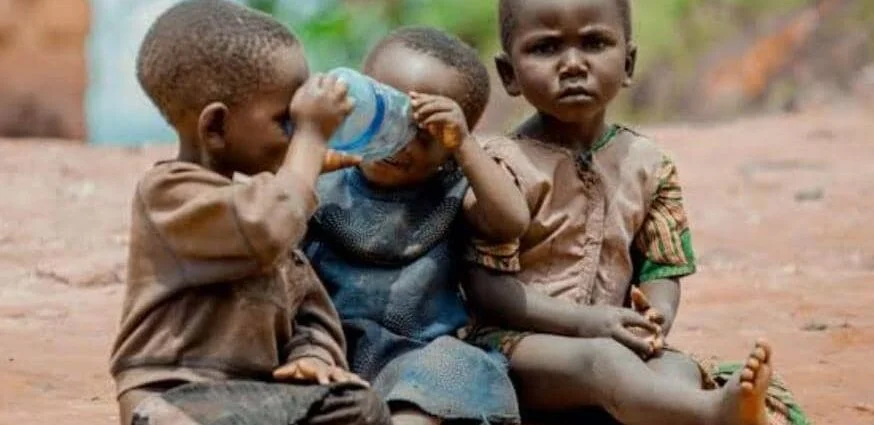
Children exposed to multiple climate-related hazards are facing increasing risks of disease, malnutrition, disruption to education and loss of access to essential services, stakeholders have warned.
The warning was issued during a climate change and Water, Sanitation and Hygiene (WASH) sensitisation engagement held in Yola, Adamawa State, organised by the state government with support from UNICEF and the Accelerating Sanitation and Water for All Phase III (ASWA III) project, funded by the Government of the Netherlands.

The engagement brought together stakeholders, health officials and development partners to examine the growing impact of climate change on children and vulnerable communities across the state.
According to UNICEF’s Children’s Climate Risk Report (CCRR) 2026, children are increasingly exposed to overlapping climate hazards, including drought, extreme heat and flooding, which pose serious threats to their health, nutrition, education and overall wellbeing.
The report noted that climate-related hazards can occur simultaneously or in succession, creating disruptions in water and sanitation systems, healthcare, education and child protection services.
Read Also:
- Adamawa Deputy Governor Warns Flood-Prone Communities as State Tests Disaster Readiness
- Police Foil Attempted Abduction of 6-Year-Old Girl, Arrest Suspect in Adamawa
- Man Who Allegedly Slaughtered Woman In Adamawa Hotel Reportedly Confesses To Drinking Her Blood
- Elder Statesman Advises Politicians, Supporters To Engage In Issue-Based, Peaceful, Civil campaigns
- UHS Seeks International Intervention, Justice For Detained Okuama Community Leaders
- Dotun Oladipo: Eagle Online Publisher Dies Suddenly At 56
- German Embassy Warns Nigerians Against Visa Agents
- US Offers $18m Reward For Information On 2 ISIS-K Leaders
It warned that such disruptions could place children, particularly those living in vulnerable communities, at greater risk of infectious diseases, malnutrition, unsafe water and prolonged interruptions to schooling.
In Adamawa State, stakeholders observed that the effects of climate change were already being felt through changing rainfall patterns, prolonged dry seasons, rising temperatures, flooding and increasing pressure on water and agricultural resources.
They stressed that the consequences of climate change should no longer be viewed solely as environmental concerns, but as issues directly affecting children’s rights, health and development.
Nambam Dawap, WASH Officer with UNICEF’s Bauchi Field Office, described climate change as a child rights issue, noting that children are particularly vulnerable when several climate hazards occur at the same time.
Dawap said the combined effects of climate-related shocks could undermine children’s access to clean water, sanitation, healthcare, food and education.
He called on governments, development partners and communities to strengthen climate adaptation measures and ensure that WASH, health and other essential services are resilient enough to withstand climate-related shocks.
Sharing his experience, Shagari Bellow from Bete Ward in Fufore Local Government Area said flooding had severely affected his community, leaving many children sick after the disaster.
According to him, several children in the affected community suffered from various illnesses, highlighting the heightened health risks faced by children living in flood-prone and other vulnerable areas.
Bellow appealed for increased support for communities affected by climate-related disasters, particularly through improved access to clean water, sanitation facilities, healthcare and other basic services.
Stakeholders at the engagement consequently called for stronger collaboration among government agencies, development partners and communities to build climate-resilient systems and protect children from the worsening effects of climate change.
They emphasised that urgent and sustained investment in WASH, healthcare, nutrition, education and disaster preparedness was essential to ensure that climate-related shocks do not deepen existing vulnerabilities or leave children behind.