The Federal Government has presented 65 bankable investment projects valued at approximately $78.5 billion to Polish institutional and industrial investors, in a move projected to generate 366,000 jobs across Nigeria’s productive sectors.
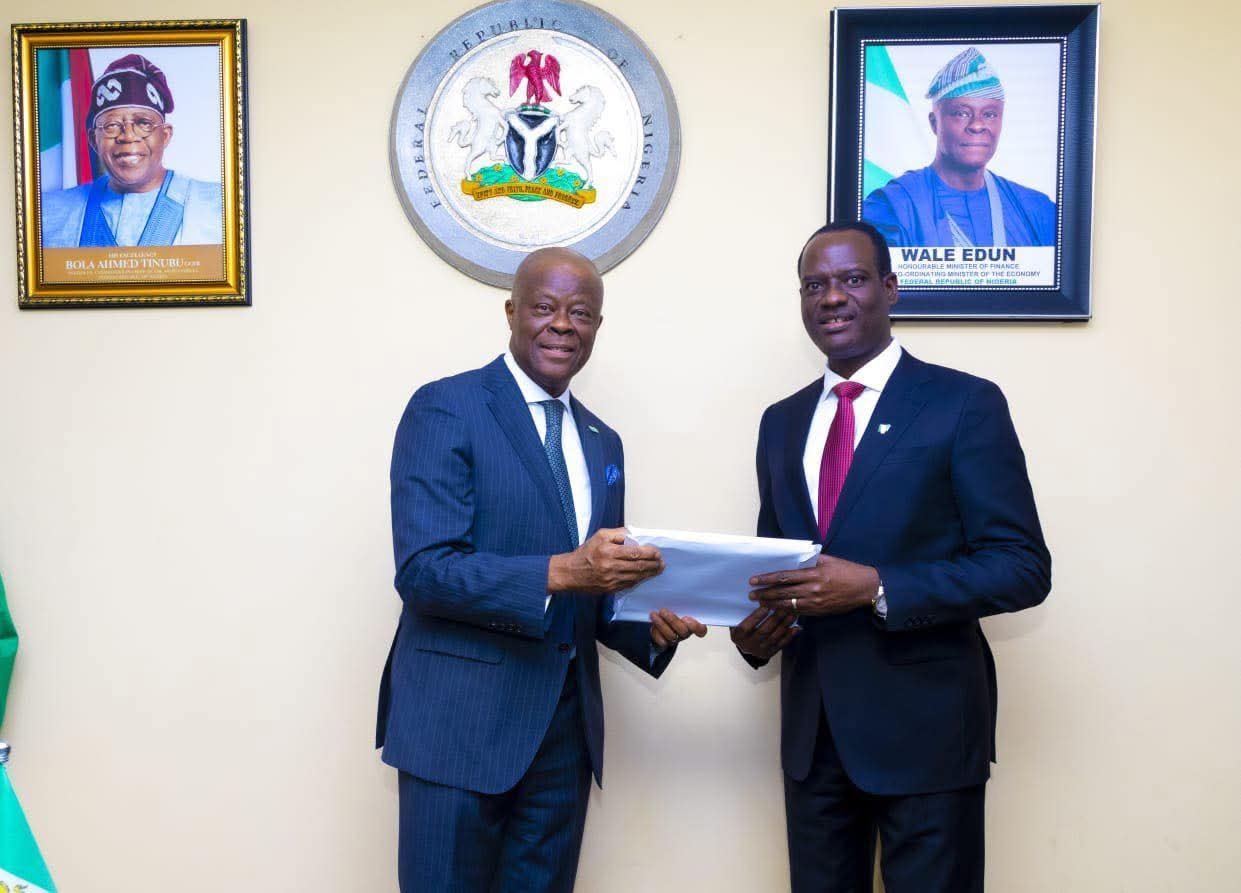
The investment drive was unveiled at the Second Polish-Nigerian Economic Forum held on Tuesday at the Lagos Continental Hotel, where the Minister of Finance and Coordinating Minister of the Economy, Taiwo Oyedele, called on Polish investors to translate diplomatic relations into concrete industrial partnerships.

Key Highlights
- Federal Government presents 65 investment-ready projects worth $78.5 billion to Polish investors.
- Proposed investments are projected to generate 366,000 jobs across Nigeria.
- Projects cover infrastructure, manufacturing, energy and other productive sectors.
- Nigeria and Poland seek to expand trade beyond crude oil and raw agricultural exports.
- Polish financing is supporting the planned modernisation of Lagos Port Complex at Apapa and Tin Can Island.
- Nigeria seeks Polish technology, engineering expertise and industrial equipment to boost local production.
The projects, curated through the government’s Projects Nigeria deal room facility, are backed by completed feasibility studies and structured to attract private-sector investment into infrastructure, manufacturing, energy and other critical sectors.
Oyedele said the Federal Government was shifting its foreign economic engagement from dependence on raw material exports towards joint ventures capable of establishing factories, modernising transport infrastructure and increasing domestic production.
He cited the planned groundbreaking for the modernisation of the Lagos Port Complex at Apapa and Tin Can Island, supported by Polish financing, as an example of how bilateral agreements could translate into tangible infrastructure development.
Available trade data presented at the forum showed that Poland exported approximately $169 million worth of goods to Nigeria in 2025, while Nigeria exported about $565 million worth of goods to Poland, with crude oil accounting for more than 90 per cent of Nigeria’s exports.
With combined trade estimated at $734 million, Oyedele said the commercial relationship remained relatively limited, considering Nigeria’s population and Poland’s economic size, which recently crossed the $1 trillion mark.
To address the imbalance, the minister called for broader trade cooperation beyond crude oil and unprocessed agricultural commodities.
He identified processed agricultural products, fertilisers, sesame, industrial machinery, technology and services as areas with significant opportunities for expanding bilateral trade.
Oyedele urged Nigerian businesses to increase exports of finished products while leveraging Polish engineering expertise, technology and industrial equipment to strengthen domestic manufacturing capacity.
Read also:
- Nigeria Risks Repeating Oil Economy Mistakes in Digital Sector, Taiwo Oyedele Warns
- Cardoso Calls For Fair Representation In ECOWAS Single Currency Governance
Welcoming Poland’s Minister of Finance, Andrzej Domański, the Nigerian minister said his visit to Lagos demonstrated Poland’s interest in deepening commercial relations with Nigeria.
He noted that both finance ministries had important roles to play in aligning fiscal policies, investment incentives and development financing towards job creation, industrial growth and improved household incomes.
Tracing the history of Nigeria-Poland relations, Oyedele recalled that diplomatic and commercial ties dated back to a 1962 trade agreement, signed two years after Nigeria gained independence.
He, however, observed that trade relations had not expanded significantly despite the elevation of bilateral relations to a Strategic Partnership in 2013 and the establishment of a Polish Foreign Trade Office in Lagos in 2018.
Drawing an analogy from football, Oyedele recalled Nigerian-born striker Emmanuel Olisadebe, whose goals helped Poland qualify for the 2002 FIFA World Cup.
He noted that Olisadebe’s success in Poland, despite his Nigerian roots and connection to Warri, demonstrated how partnerships could create opportunities and shared benefits across national boundaries.
Concluding his address, the minister highlighted Poland’s economic transformation over the past three decades, noting that its economy had grown from approximately $67 billion in 1989 to more than $1 trillion in 2025.
He described the country’s economic growth trajectory as a reference point for Nigeria’s efforts to pursue structural reforms, attract investment, expand industrial capacity and strengthen economic productivity. For more business and economy updates, follow us on X.