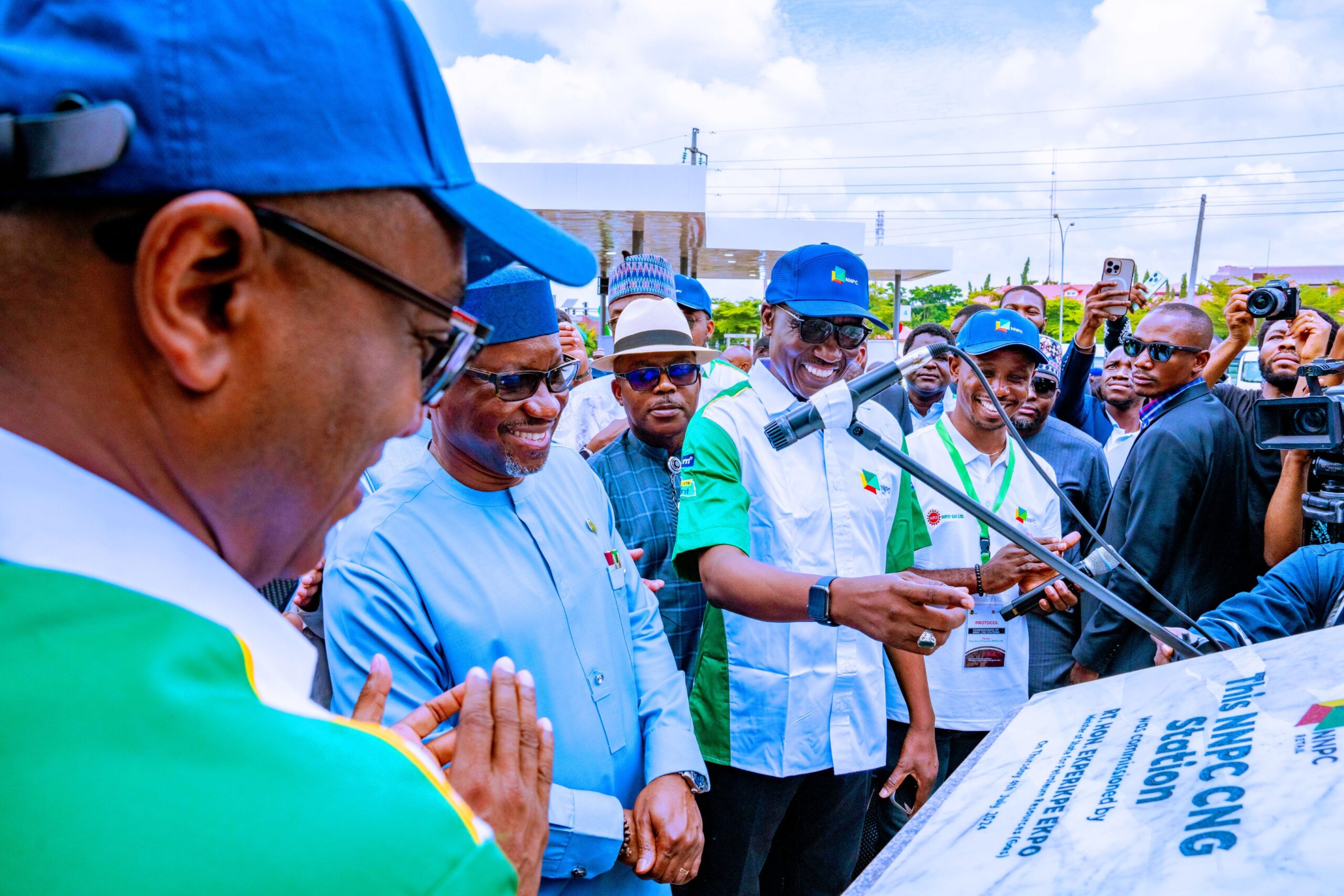
The Federal Government has commissioned Compressed Natural Gas (CNG) stations in four Nigerian universities as part of efforts to reduce transportation costs for students, university staff and surrounding communities.
Latest: Delta State news today: Asaba, Warri, Ughelli, Sapele and all 25 LGAs

Latest: Cross River news today: latest Calabar and Cross River State news
The facilities are located at the University of Uyo in Akwa Ibom State, University of Calabar in Cross River State, University of Nigeria, Nsukka, in Enugu State, and the Federal University of Petroleum Resources, Effurun, in Delta State.
Key Highlights
- The Federal Government has inaugurated four CNG stations in universities across Akwa Ibom, Cross River, Enugu and Delta states.
- The facilities are expected to reduce transportation costs for students, staff and host communities.
- The four stations can collectively refuel about 540 vehicles daily.
- The project forms part of the 20 Universities CNG Ecosystem Initiative.
- The government says about 50 additional gas infrastructure projects are expected to approach commissioning before the end of 2026.
Ekpo Says CNG Stations Will Reduce Transport Costs
Speaking at the inauguration ceremony in Uyo on Tuesday, November 17, 2026, the Minister of State for Petroleum Resources (Gas), Ekperikpe Ekpo, described the project as a source of pride, particularly because one of the facilities is located in his home state of Akwa Ibom.
Ekpo said the stations would provide students, university employees and residents of surrounding communities with access to cleaner and more affordable transportation fuel.
He also said the initiative would create opportunities for universities to strengthen research, technical training and local expertise in CNG technology.
According to the minister, the lower cost of CNG compared with petrol and diesel could reduce operating expenses for vehicle owners, commercial drivers and transport operators.
He said:
“For students, young people who earn a living from commercial transport, and vulnerable members of society who depend on public transport, these savings mean lower transport costs and more money kept in their pockets for education, enterprise, food and other household needs.”
Ekpo commended President Bola Tinubu for placing natural gas at the centre of the Federal Government’s economic and energy policies under the Renewed Hope Agenda.
He said the administration was increasingly using the country’s gas resources to support transportation, job creation and economic activity.
FG Links Project to 20 Universities CNG Ecosystem Initiative
The minister said President Tinubu had also approved the Special Palliative Relief on University Transportation Programme as part of the 20 Universities CNG Ecosystem Initiative.
The programme is intended to cushion the effects of petroleum subsidy reform on students and university staff by improving access to more affordable transportation.
Ekpo also acknowledged the contributions of the governors of Akwa Ibom, Cross River, Enugu and Delta states, as well as the Minister of Education, university vice-chancellors and governing councils.
He commended the host communities for providing an enabling environment for the projects.
Four CNG Stations Can Serve About 540 Vehicles Daily
The Executive Director of the Midstream and Downstream Gas Infrastructure Fund, Oluwole Adama, said the four newly commissioned stations in Uyo, Calabar, Enugu and Warri had a combined capacity to refuel approximately 540 vehicles daily.
Adama said the facilities would help reduce transport expenses for students and commercial operators while providing practical learning opportunities for young Nigerians.
He explained that affordable and dependable transportation could help students spend less on daily travel, arrive at lectures on time and devote more resources to their education.
Adama added that about 50 additional projects were expected to approach commissioning before the end of 2026.
He urged transport operators and businesses to use the facilities responsibly and encouraged young Nigerians to explore technical opportunities in gas operations, engineering, safety and maintenance.
Read also:
- FG Commissions 3 LCNG Facilities In Kano To Expand CNG Adoption
- AKK Gas Pipeline to Boost CNG Supply Across Northern Nigeria, Abuja to Get Gas Before End of 2026, NNPC Says
- Nigeria Records $3.5bn Gas Projects as Output Rises to 7.5 Bcf/d
FEMADEC Energy Says University CNG Stations Will Cut Fuel Expenses
The Chief Executive Officer of FEMADEC Energy Limited, Fola Akinnola, described the commissioning of the four university CNG daughter stations as an important step towards expanding access to cleaner and more affordable fuel.
Akinnola said the facilities would help reduce daily fuel expenditure for students, lecturers, campus shuttle operators and residents of neighbouring communities.
He described the University of Uyo station, alongside the three facilities in other universities across the South-South and South-East, as a response to the transportation challenges facing tertiary institutions.
On behalf of FEMADEC Energy’s board and management, he thanked the Midstream and Downstream Gas Infrastructure Fund and the Presidential Initiative on Compressed Natural Gas and Electric Vehicles for their support and funding.
He also acknowledged their contribution to the Federal Government’s Decade of Gas and clean mobility agenda.
What the CNG Stations Mean for Students and Host Communities
The commissioning of the four facilities is expected to improve access to alternative fuel for vehicles operating within and around the universities.
If the projected savings are reflected in transport fares, students and other commuters could benefit from lower daily travel expenses. Commercial transport operators may also reduce their operating costs through access to CNG.
The stations could also support technical education by exposing students to practical aspects of gas distribution, vehicle conversion, equipment maintenance and safety procedures.
However, the actual impact on transport fares will depend on the availability of CNG-powered vehicles, the cost of conversion, station operating capacity and the willingness of transport operators to pass fuel savings on to passengers.
The Federal Government says the four stations are part of a wider programme to expand CNG infrastructure and promote natural gas as an alternative transportation fuel across Nigeria.
For more oil, gas and energy news, follow us on X.