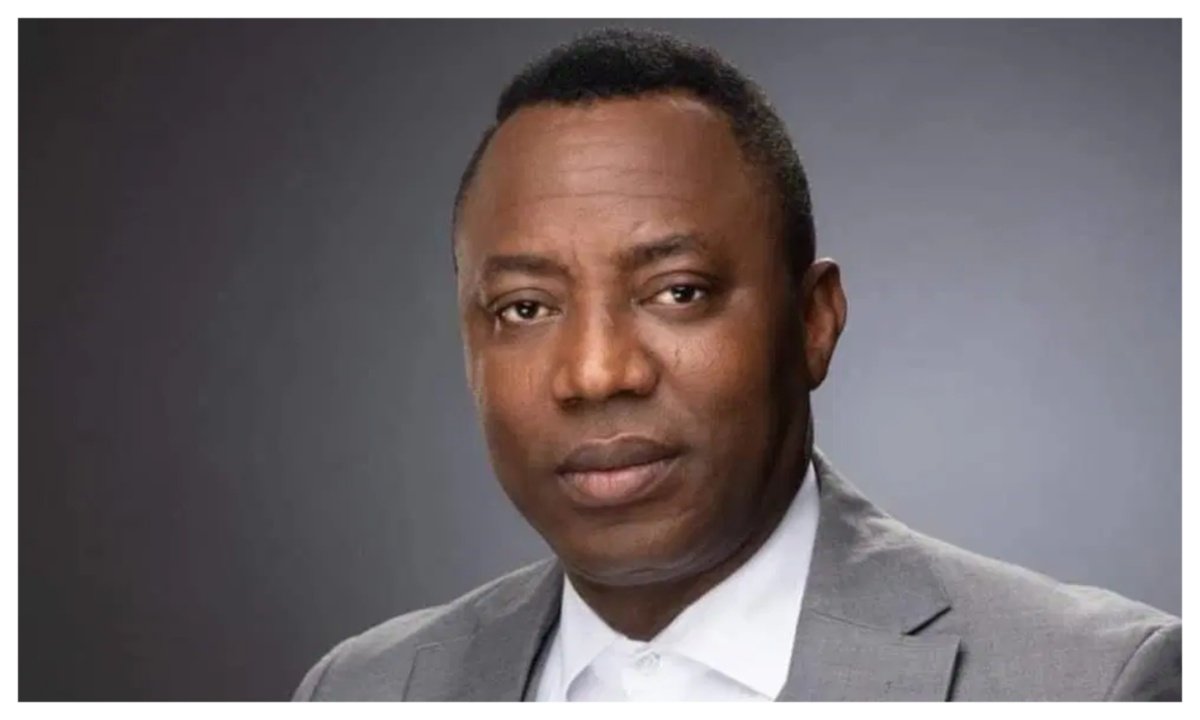
Human rights activist and African Action Congress (AAC) presidential candidate, Omoyele Sowore, has renewed his call for the legalisation and regulation of cannabis in Nigeria, warning that the country’s continued criminalisation of the plant is costing the economy billions of naira in potential government revenue and employment opportunities.
Latest: 2027 presidential election: candidates, running mates and campaign updates (live tracker)

Key Highlights
- Sowore urges the Federal Government to legalise and regulate cannabis in Nigeria.
- He projects that a regulated cannabis industry could generate between $550 million and $2.2 billion annually.
- Potential earnings could translate to between N715 billion and N2.86 trillion annually.
- Canada, California and Colorado are cited as examples of jurisdictions generating revenue from regulated cannabis markets.
- Sowore identifies agriculture, pharmaceutical manufacturing and industrial hemp production as potential employment sectors.
- Cannabis remains prohibited under existing Nigerian laws.
Sowore renewed the call on Tuesday, November 17, 2026, in a post on X, urging the Federal Government to reconsider its position on cannabis cultivation, possession and consumption in view of the economic benefits recorded by countries with regulated cannabis industries.
He argued that while Nigerian authorities continue to arrest individuals, destroy cannabis farms and prosecute people involved in the trade, other countries that have legalised the plant are generating substantial revenue through taxation and regulatory frameworks.
To support his position, Sowore cited revenue figures from Canada and the United States, highlighting the economic contributions of regulated cannabis markets.
According to the figures he referenced, Canada generated approximately 2.2 billion Canadian dollars in government revenue from recreational cannabis during the 2023–2024 fiscal year.
He also cited California’s cannabis tax revenue of approximately $1.067 billion in 2024 and Colorado’s collection of about $255.36 million in marijuana taxes and fees within the same year.
Based on these examples, Sowore estimated that Nigeria could generate between $550 million and $2.2 billion annually from a properly regulated cannabis industry, depending on market size, taxation policies and the effectiveness of regulatory structures.
Using an illustrative exchange rate of N1,300 to the dollar, he estimated that the potential revenue could range from N715 billion to N2.86 trillion annually.
However, he acknowledged that the projections were hypothetical, explaining that actual government earnings would depend on several factors, including licensing arrangements, taxation policies, export opportunities, market demand and regulatory effectiveness.
Sowore Highlights Economic Benefits Of Cannabis Legalisation
Beyond potential revenue generation, Sowore argued that legalising cannabis could create employment opportunities across agriculture, pharmaceutical manufacturing and industrial hemp production.
He also identified opportunities for scientific research, local manufacturing and export earnings, insisting that Nigeria should develop a legal framework capable of regulating production, protecting public health and supporting farmers.
According to him, a regulated cannabis industry could provide economic opportunities while allowing the government to maintain oversight of cultivation, distribution and consumption.
Read also:
- 2027 Elections: Sowore Rejects Dickson’s Emergency Summit Proposal, Calls for Nationwide Protests
- NDLEA Arrests American Basketball Player For Trafficking 33.95kg Of Cannabis
- How Drug Abuse Fuels Cultism, Kidnapping In Edo – Okpebholo
Cannabis Remains Illegal Under Nigerian Laws
Despite renewed calls for legalisation, cannabis remains illegal in Nigeria under the Indian Hemp Act, which prohibits activities including cultivation, possession, sale, importation, exportation and smoking, except where specifically authorised by law.
The National Agency for Food and Drug Administration and Control (NAFDAC) has also maintained that cannabis cultivation, handling, consumption and possession remain prohibited under existing Nigerian laws.
Sowore said he had advocated cannabis legalisation since 2018.
For more updates on this story, follow us on X.