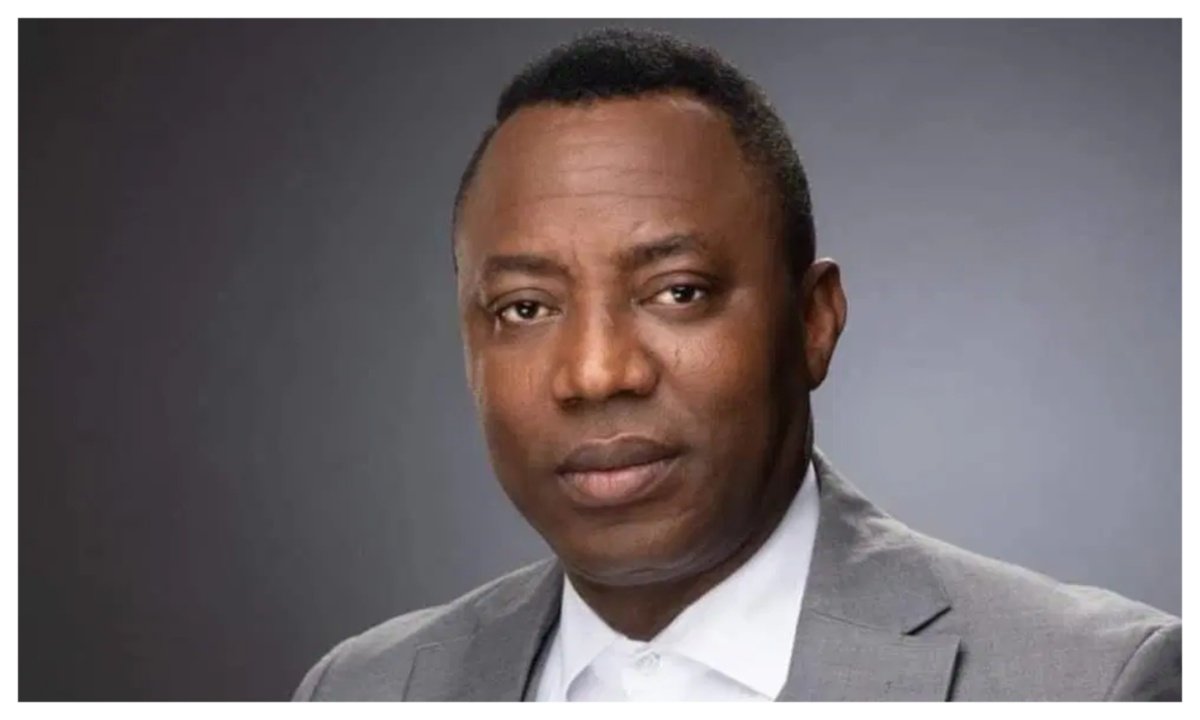
The debate over how to tackle rising political violence ahead of Nigeria’s 2027 general elections has intensified after activist and former presidential candidate Omoyele Sowore rejected a proposal by former Bayelsa State Governor, Senator Henry Seriake Dickson, for an emergency all-party summit.
Latest: 2027 presidential election: candidates, running mates and campaign updates (live tracker)

Dickson, who is the National Leader of the Nigeria Democratic Congress (NDC), had called for urgent intervention by political parties, electoral authorities and security agencies to address reported attacks and intimidation targeting NDC candidates and supporters.
Key Highlights
- Omoyele Sowore has rejected Henry Seriake Dickson’s proposal for an emergency all-party summit.
- Dickson warned of attacks, thuggery and intimidation targeting NDC candidates and supporters.
- The former Bayelsa governor urged IPAC, INEC, the National Peace Committee and security agencies to convene an emergency meeting.
- Sowore called for nationwide protests and mass action against the Tinubu administration.
- The disagreement has exposed competing approaches to tackling political violence ahead of the 2027 elections.
- IPAC, INEC and the National Peace Committee had not publicly confirmed plans to convene the proposed summit as of Monday.
Dickson Calls for Emergency Summit Over Political Violence
In a statement released on Sunday, November 15, 2026, Dickson raised concerns over what he described as a growing pattern of political attacks, thuggery and intimidation against NDC candidates and supporters.
He called on the Inter-Party Advisory Council (IPAC), the National Peace Committee led by former Head of State General Abdulsalami Abubakar, the Independent National Electoral Commission (INEC) and security agencies to jointly organise an emergency all-party summit.
Dickson said the proposed meeting would provide an opportunity for political stakeholders to address the situation before it escalated further.
He warned that failure to tackle political violence early could threaten the peaceful conduct of the 2027 general elections and undermine Nigeria’s democracy.
Sowore Rejects Summit, Advocates Mass Action
Sowore responded on Monday, sharing a news graphic featuring Dickson’s appeal, which he marked with a large red X.
In his response, the activist argued that Nigeria did not need another summit, dialogue or peace committee meeting to address political violence. Instead, he called for nationwide mass action and protests against the administration of President Bola Tinubu.
Sowore’s position reflects his long-standing advocacy for street protests and civic resistance as means of challenging government policies and demanding accountability.
His response generated mixed reactions on social media. Supporters backed his call for direct action, while critics argued that rejecting dialogue could undermine efforts to prevent further violence.
Others supported Dickson’s proposal, describing an emergency meeting involving political parties, INEC and security agencies as a practical way to address the reported threats.
Some commentators also called for unity among opposition leaders, arguing that disagreements over strategy could weaken efforts to confront political violence.
Dickson and Sowore Offer Different Approaches
The disagreement highlights two different approaches to addressing political violence ahead of the 2027 elections.
Dickson’s approach: Institutional dialogue
Dickson is advocating an institutional response involving political parties, electoral authorities, peace mediators and security agencies.
His proposal is intended to bring key stakeholders together to agree on measures for preventing violence, protecting political participants and ensuring peaceful political activities.
Supporters of this approach believe that structured dialogue and pre-election peace agreements can help reduce tensions and encourage accountability among political actors.
Sowore’s approach: Public pressure and mass action
Sowore, on the other hand, believes that public mobilisation and sustained civic pressure are necessary to force action.
Supporters of his position argue that previous political meetings and peace initiatives have often failed to prevent violence, making mass protests a necessary means of demanding accountability.
The two positions reflect a wider debate over whether institutional engagement or direct public action is more effective in addressing political violence.
Read also:
- Delta Political Violence: NDC Campaigners Blocked In Okpai After Deadly Asaba Rally
- Peter Obi’s NDC Convoy Attack in Calabar: Cross River Government, Opposition Trade Blame
- 2027 Elections: Eradiri Urges Security Agencies to Probe Campaign Violence, Alleges Plot to Blackmail APC
Why Political Violence Matters Ahead of 2027 Elections
Concerns about political violence are significant because intimidation and attacks can affect political participation long before the official election campaign period begins.
Such incidents may include attacks on political rallies, harassment of campaign organisers, destruction of campaign materials and threats against candidates and their supporters.
Dickson’s warning suggests that the NDC is concerned about the possibility of such incidents escalating as political activities gather momentum ahead of the 2027 elections.
Political observers have repeatedly stressed the importance of early intervention, effective law enforcement and cooperation among political parties to prevent violence from undermining the electoral process.
INEC, IPAC Yet to Confirm Emergency Summit
As of Monday, IPAC, INEC and the National Peace Committee had not publicly confirmed whether they would convene the emergency summit proposed by Dickson.
Meanwhile, Sowore’s response has brought the debate into the public space, raising questions about opposition strategy, political leadership and the most effective way to confront electoral violence.
With the 2027 general elections approaching, attention is likely to remain on how political parties, electoral authorities and security agencies respond to allegations of intimidation and attacks.
The central issue remains whether the proposed institutional dialogue, mass action or a combination of both can help prevent political violence and protect Nigeria’s electoral process.
For more 2027 election updates as they break, follow us on X.