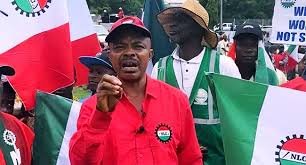
Senator Adams Oshiomhole has defended the Federal Government’s additional ₦70,000 monthly transport allowance for public sector workers, saying the intervention shows President Bola Tinubu cares about workers amid rising living costs. He spoke on Channels Television’s Politics Today while discussing the administration’s economic policies.
Latest: Nigeria minimum wage, salaries and allowance updates (live tracker)

Key Highlights
- The Federal Government agreed with the NLC on a ₦70,000 monthly transport intervention for six months from November 2026.
- Oshiomhole said the additional payment would bring a minimum-wage earner’s monthly amount to ₦140,000 during the intervention, subject to eligibility and payment arrangements.
- The transport allowance is separate from the ₦70,000 national minimum wage.
- The agreement includes peculiar allowance arrears in three instalments and 19 months of health workers’ arrears within three months from December.
- The TUC has rejected the temporary transport allowance and called for a permanent salary increase.
- The FG and NLC agreed to form a Minimum Wage Negotiation Committee but did not set an effective date for a new wage.
Oshiomhole says Tinubu cares about workers
Oshiomhole, a former Nigeria Labour Congress (NLC) president, said the intervention would help low-income earners facing the rising cost of goods and services. “I think this government is doing well,” he said, adding that Tinubu had shown concern for workers.
The senator argued that an eligible worker earning the ₦70,000 minimum wage who receives the additional ₦70,000 would get a combined ₦140,000 for the duration of the transport intervention. Channels Television’s report on Oshiomhole’s interview contains the full remarks and further details of the agreement.
FG transport allowance to run for six months
The Federal Government and the NLC reached the transport intervention agreement after conciliation talks in October 2026. The ₦70,000 payment is scheduled to run for six months from November and is separate from the national minimum wage, which was set at ₦70,000 in 2024.
The agreement also provides for peculiar allowance arrears, effective from May 1, 2026, to be paid in three equal monthly instalments beginning in November. It provides for 19 months of outstanding health workers’ allowances to be cleared within three months from December 2026.
The government and NLC also agreed to establish a Minimum Wage Negotiation Committee. They did not agree on when a new minimum wage should take effect; the existing law provides for a formal review in 2027.
Read also:
- FG Approves N70,000 Monthly Transport Allowance For Civil Servants For 6 Months
- TUC Rejects FG’s N70,000 Wage Award, Insists On N300,000 Minimum Wage
- FG Tightens Payroll Verification for New Workers as Personnel Costs Hit ₦1.96tn
Labour unions question temporary relief
The Trade Union Congress (TUC) rejected the arrangement, arguing workers need a permanent salary increase rather than temporary support. The disagreement reflects differing views among labour groups about the October agreement with the NLC.
Workers continue to face higher costs for food, transport, housing and other essentials. While the combined ₦140,000 is double the current minimum wage, the allowance is temporary, and workers’ purchasing power depends on inflation and the cost of living.
Oshiomhole backs Tinubu’s economic policies
Oshiomhole compared the current administration with previous governments, arguing that earlier administrations struggled to ensure regular salary payments. The transport intervention followed the removal of the petrol subsidy in 2023.
The debate continues over whether temporary financial support can adequately address workers’ economic challenges or whether a permanent wage adjustment is needed. Attention will remain on implementation of the allowance, payment of outstanding entitlements and future minimum-wage talks.
For more labour and salary news, follow us on X.