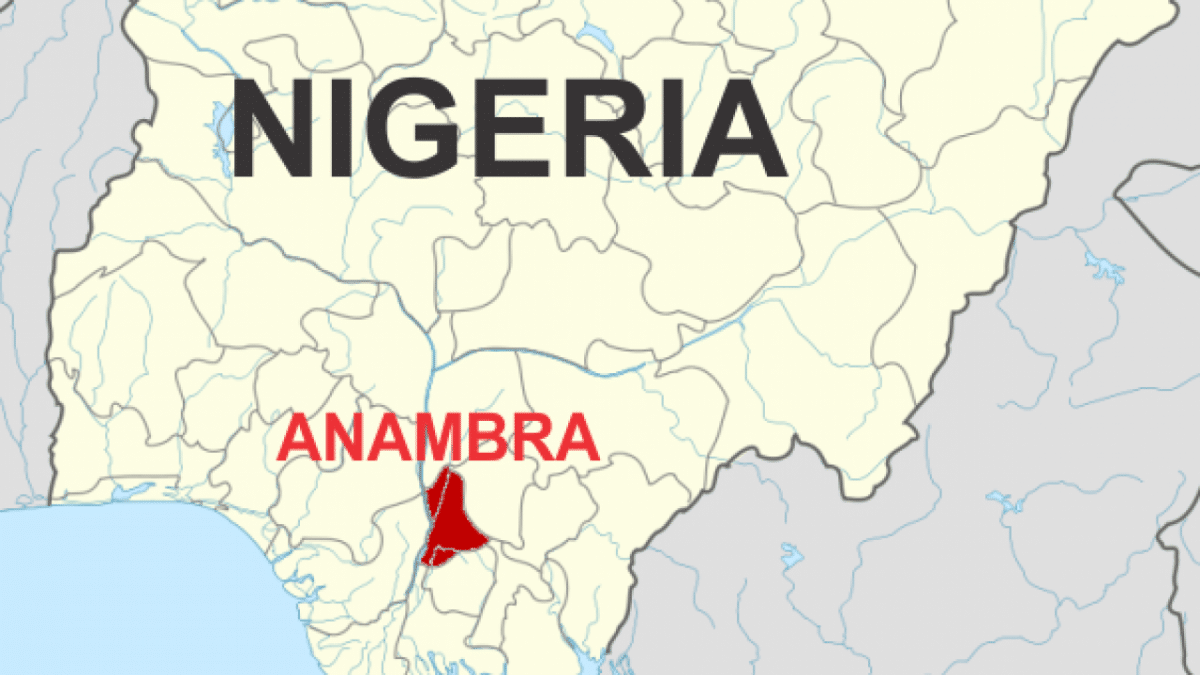
The contest for the Anambra Central Senatorial District seat in the 2027 general elections is shaping up as a battle involving established political figures, returning contenders and candidates seeking to alter the existing political calculations.
Key Highlights
- Incumbent Senator Victor Umeh (NDC), former Senator Uche Ekwunife (APC) and Dozie Nwankwo (APGA) are among the prominent names in the race.
- Pastor Lawrence Ughamadu is the PDP candidate in a field of 13 candidates.
- Umeh has incumbency, Ekwunife has name recognition, and Nwankwo has APGA’s structure in the state.
- Ughamadu’s chances depend on building structures, a clear agenda and a united PDP.
- Vote fragmentation among 13 candidates could make the outcome harder to predict.
Among the prominent names in the race are incumbent Senator Victor Umeh of the Nigeria Democratic Congress (NDC), former Senator Uche Ekwunife, who is contesting on the platform of the All Progressives Congress (APC), and Dozie Nwankwo, the candidate of the All Progressives Grand Alliance (APGA).

But beyond these familiar political figures, the emergence of Pastor Lawrence Ughamadu as the candidate of the Peoples Democratic Party (PDP) introduces another dimension to the contest. With 13 candidates reportedly in the race, Anambra Central is now technically a four-horse contest. Nevertheless, the political experience, electoral networks and public profiles of Umeh, Ekwunife and Nwankwo place them among the candidates likely to attract significant attention.
For Ughamadu, the central challenge is whether he can translate his candidacy into a credible electoral movement capable of challenging politicians with established political structures and previous electoral experience.
Umeh: The Incumbent’s Advantage
Umeh enters the contest with the advantage of occupying the seat. His experience in the National Assembly, political visibility and familiarity with the district’s political landscape could provide an important foundation for his re-election campaign. As an incumbent, he has the opportunity to make his legislative contributions, constituency interventions and record in the Senate central to his appeal to voters.
However, incumbency does not automatically guarantee electoral success. His performance in office, relationship with constituents and ability to convince voters that another term would deliver additional benefits could become important considerations. The extent to which voters are satisfied with his representation may therefore influence the strength of his re-election bid.
Ekwunife: A Familiar Name On A New Platform
Ekwunife brings a different kind of political advantage to the race. Having previously represented Anambra Central in the Senate, she possesses considerable name recognition and an understanding of the district’s electoral dynamics. Her decision to contest on the APC platform also introduces the influence of the ruling party at the federal level into the political calculations.
However, her previous experience in the Senate will not necessarily translate into automatic voter support. She must convince constituents that her return would offer something different and address the concerns that may have emerged since her previous representation. Her ability to reconnect with grassroots voters and consolidate her political networks could be crucial.
Nwankwo And APGA’s Structure
Nwankwo’s candidacy on the APGA platform presents another significant factor. APGA has a considerable political presence in Anambra State and controls the state government. This could offer Nwankwo access to an established party structure and a political environment familiar to many voters. Nevertheless, the advantage of belonging to the governing party in the state should not be confused with guaranteed electoral victory.
Anambra Central voters will ultimately assess the candidates based on their individual credibility, political records, campaign promises and perceived capacity to represent the district effectively. Nwankwo’s challenge will be to convert APGA’s organisational presence into actual votes while demonstrating that he has a compelling case for election to the Senate.
Ughamadu’s Uphill Task
For Ughamadu, the contest presents both an opportunity and a considerable political challenge. The PDP candidate is entering a race populated by politicians with established electoral identities. His chances will depend largely on his ability to establish himself as more than an alternative candidate and persuade voters that he offers a credible option.
His religious and community profile could provide opportunities for grassroots engagement, but personal recognition alone is unlikely to be sufficient in a senatorial election involving several established political figures. He will need to articulate clear positions on issues affecting the district, including infrastructure, education, employment, insecurity, healthcare and economic development.
More importantly, he must demonstrate how his legislative priorities would translate into tangible benefits for the people of Anambra Central. The organisational dimension may prove even more decisive. A competitive campaign requires functional structures across the district’s local government areas, credible polling-unit agents, effective mobilisation networks and sufficient resources to sustain voter engagement.
Without these, even a candidate with a compelling message could struggle against opponents with deeper political networks. The PDP’s position in the contest is another issue that could shape Ughamadu’s prospects. Although the party has a history of political participation in Anambra, its electoral strength cannot simply be assumed. Its ability to support Ughamadu will depend on the cohesion of its state and local structures, the commitment of party stakeholders and its capacity to mobilise supporters.
Internal disagreements, weak coordination or the absence of influential political actors from the campaign could undermine his chances. Conversely, a united party structure, combined with an effective grassroots campaign, could give him the organisational foundation needed to compete. Ughamadu must therefore demonstrate that the PDP is prepared to do more than nominate a candidate and put its name on the ballot.
Read also:
- 2027 Elections: Full List Of Senatorial Candidates Across Nigeria
- INEC Updates 2027 Candidates List, Includes Omo-Agege, Iyabo Obasanjo, Pantami
- Tinubu’s 2027 Campaign Council: Wike, Soludo, Adeleke Appointments Spark APC Backlash
13 Candidates, Complicated Arithmetic
One factor that could complicate predictions of the outcome of the senatorial race is the presence of 13 candidates. The distribution of votes among the different political parties and candidates could produce an outcome that differs from initial expectations. If support for established political figures becomes divided, a candidate with a relatively smaller but well-organised support base could benefit.
However, vote fragmentation is not necessarily an advantage for Ughamadu. It could also work against him if opposition to the leading contenders is divided among several candidates.
His ability to benefit from such a scenario would depend on his capacity to consolidate support beyond the traditional PDP electorate. This makes voter outreach, coalition-building and a clearly defined campaign strategy particularly important.
Ultimately, the Anambra Central senatorial contest will test more than the popularity of the candidates. It will also expose the strength of their political organisations, their connections with voters and their ability to convert political influence into electoral support.
Umeh has incumbency and legislative experience. Ekwunife brings previous senatorial representation and political visibility, while Nwankwo could benefit from APGA’s established presence in the state. Ughamadu, meanwhile, has the opportunity to present himself as an alternative to the familiar political establishment.
But challenging established politicians requires more than an appealing campaign narrative. He must build a formidable political structure, communicate a convincing development agenda and establish sufficient credibility among voters. For now, it would be premature to describe the contest as a straightforward battle between the three prominent figures and Ughamadu. The presence of 13 candidates makes the electoral arithmetic more complicated.
The question is whether the PDP candidate can turn that uncertainty into a political advantage. His ambition to upset the established order is possible, but the decisive test will be whether he can build the organisation, political alliances and voter confidence required to make it happen.
For more analysis on the 2027 elections, follow us on X.