
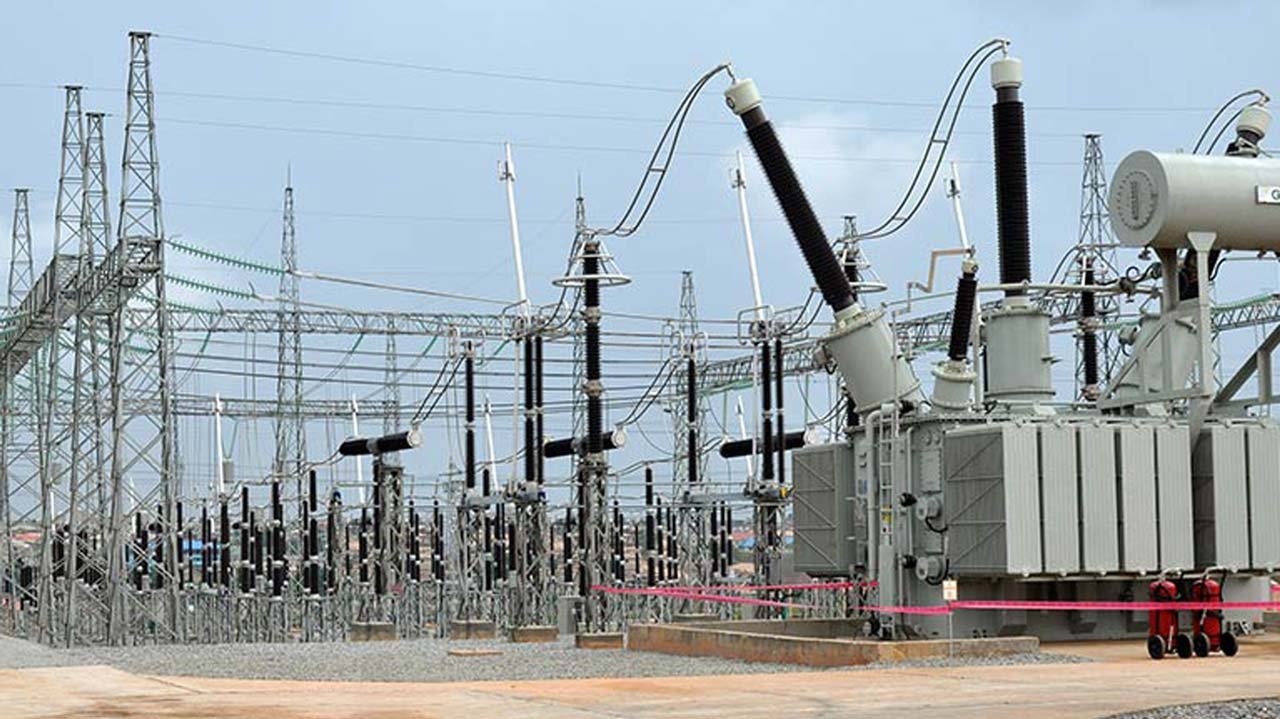
The Federal Government has commenced the construction of five interconnected mini-grid projects with a combined capacity of 17.7 megawatts in Oyo State, as the Minister of Power, Joseph Tegbe, dismissed reports of a planned electricity tariff increase. The projects are expected to improve power supply to households and businesses across five local government areas while reducing dependence on petrol and diesel generators.
Key Highlights
- 17.7MW electricity projects: Five interconnected mini-grids are being developed in Oyo State.
- Five local government areas covered: The projects are located in Akinyele, Ido, Ibadan North, Egbeda and Lagelu.
- Electricity tariff hike dismissed: The minister urged Nigerians to disregard reports of a planned increase.
- Battery storage included: The initiative features a reported 17.74MW battery energy storage system to support electricity reliability.
- Three energy corridors identified: The government plans interventions along the Lagos-Ogun, Abuja-Kaduna-Kano and Benin-Enugu-Port Harcourt corridors.
FG Begins Five Mini-Grid Projects in Oyo State
The Minister of Power, Joseph Tegbe, announced the commencement of the projects during their groundbreaking ceremony, describing the initiative as part of the Federal Government’s efforts to expand electricity access and strengthen economic activities.

The projects, known as the Bola, Jiboye, Molade-Adelubi, Ogo Oluwa and Sooko-Elega interconnected mini-grids, are located in Akinyele, Ido, Ibadan North, Egbeda and Lagelu local government areas.
According to a statement issued on Thursday, the initiative is designed to improve electricity supply to homes and businesses, extend operating hours and create opportunities for investment and employment.
The projects also include a 17.74MW battery energy storage system intended to support power reliability and help manage electricity supply.
Tegbe said the initiative aligns with President Bola Tinubu’s Renewed Hope Agenda and the Federal Government’s broader efforts to address Nigeria’s persistent electricity challenges.
Minister Dismisses Reports of Electricity Tariff Increase
Tegbe has dismissed reports that the Federal Government plans to increase electricity tariffs, urging Nigerians to disregard the claims.
He said the government’s priority was to improve electricity supply and work towards achieving round-the-clock power rather than announce another tariff increase.
The minister’s remarks come amid public concerns over the cost and reliability of electricity in Nigeria, where many households and businesses rely on alternative power sources to supplement grid supply.
However, the statement does not provide details of any separate regulatory tariff review. Consumers should therefore distinguish the minister’s reported remarks from any formal tariff order issued by the relevant electricity regulator.
FG Acknowledges Partners in Oyo Electricity Projects
The minister highlighted the importance of collaboration between government institutions, private-sector operators and development partners in expanding electricity access.
He acknowledged the contributions of the Rural Electrification Agency (REA), Paras Energy and Natural Resources Development Limited, the World Bank and the Ibadan Electricity Distribution Company to the initiative.
Tegbe also commended the Oyo State Government, traditional rulers, community leaders and residents of the beneficiary communities for their cooperation.
He particularly acknowledged the support of the Olubadan of Ibadanland, noting the importance of community participation in the successful implementation of electricity projects.
The government expects the mini-grids to support local businesses, improve productivity and create a more favourable operating environment for economic activities.
Government Identifies Three Energy Corridors
Tegbe also identified three proposed energy corridors under the Federal Government’s wider plan to improve electricity availability across the country.
They are the Lagos-Ogun corridor, the Abuja-Kaduna-Kano corridor and the Benin-Enugu-Port Harcourt corridor.
The proposed corridors form part of broader efforts to strengthen electricity supply and support economic activities in key population and commercial centres.
The minister also disclosed that similar interventions supported by the Rural Electrification Agency had been implemented in communities across Kwara, Niger, Nasarawa, Plateau, Adamawa and Kaduna states.
Read also:
- Nigeria Seeks More Investment to Strengthen Power Infrastructure, Energy Security
- FG Installs 668,000 Electricity Meters Nationwide, Says 60% of Delivered Units Deployed
- Japan Commits N20bn to Upgrade Nigeria’s Power Grid
Mini-Grid Projects Expected to Support Businesses
The Oyo mini-grid projects are expected to expand access to electricity, reduce reliance on generators and help households and businesses manage power-related costs.
For small businesses, more reliable electricity could improve operating hours, reduce interruptions and support investment in productive equipment.
However, the overall impact will depend on timely project completion, effective operation, affordable electricity and the consistency of power delivered to beneficiary communities.
The Federal Government’s challenge will be to ensure that the projects translate into measurable improvements in electricity access and reliability for residents and businesses.
For more power sector and business news, follow us on X.