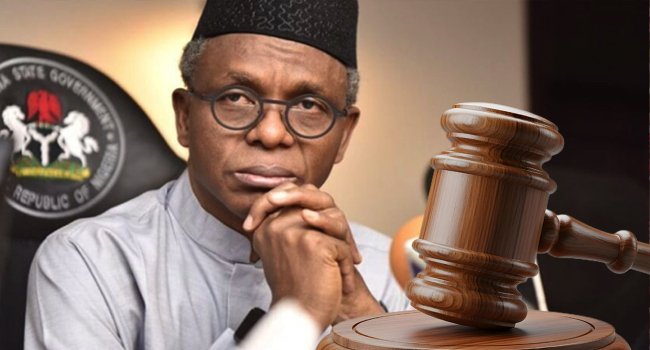
Former Kaduna State Governor Nasir El-Rufai has spent 226 days in detention since he reported to the Economic and Financial Crimes Commission (EFCC) on February 16, 2026, as separate legal proceedings over alleged financial misconduct and alleged interception of telephone communications continue.
El-Rufai, who has pleaded not guilty to the charges against him, remains in custody while the courts consider issues surrounding his bail and the ongoing cases. The Emir of Kano, Muhammadu Sanusi II, recently drew renewed attention to the length of the detention, saying El-Rufai had spent seven months in custody without being convicted.

Key Highlights
- Nasir El-Rufai has spent 226 days in detention as of September 30, 2026.
- He has pleaded not guilty to the charges brought against him.
- The former governor faces separate proceedings involving alleged financial misconduct and alleged interception of telephone communications.
- He was initially detained by the EFCC on February 16, 2026, before being transferred to the ICPC.
- A Federal High Court in Kaduna granted him ₦200 million bail in the financial-crime case, subject to conditions.
- His lawyers have challenged some of the bail conditions as difficult to meet.
- In the separate DSS case, the court is scheduled to rule on his no-case submission on October 26, 2026.
- Emir Muhammadu Sanusi II has publicly questioned the length of El-Rufai’s detention.
- Political reactions remain divided, with supporters calling for his release and critics maintaining that the legal process should continue.
How El-Rufai’s Detention Began
El-Rufai reported to the EFCC on February 16 following an invitation connected to allegations of financial misconduct during his tenure as Kaduna governor.
According to reports at the time, he was initially held by the EFCC before being transferred to the custody of the Independent Corrupt Practices and Other Related Offences Commission (ICPC) on February 18.
The ICPC subsequently obtained a remand order in connection with its investigations.
The former governor was later arraigned in connection with allegations including abuse of office, fraud, financial impropriety and money laundering. He has denied the allegations and pleaded not guilty.
El-Rufai Granted Bail in Financial Case
On April 14, the Federal High Court granted El-Rufai bail of ₦200 million in the case involving alleged financial misconduct.
The bail conditions included two sureties, one of whom was required to be a serving or retired civil servant of Grade Level 15, while the other was required to be a recognised traditional ruler.
His legal team subsequently sought changes to the conditions.
The defence argued that some of the requirements were difficult to satisfy, while the prosecution opposed the application. The court later declined the request to vary the conditions.
Separate DSS Case Over Alleged Phone Interception
El-Rufai is also facing a separate case brought by the Department of State Services (DSS) over the alleged interception of telephone communications involving National Security Adviser Nuhu Ribadu.
The amended charge contains five counts relating to the alleged interception and an alleged breach of national security.
El-Rufai has pleaded not guilty.
The DSS closed its case in June after presenting witnesses and electronic evidence, after which El-Rufai’s defence filed a no-case submission.
The Federal High Court in Abuja has fixed October 26, 2026, for ruling on the no-case submission.
Read also:
- Adeniyi Adeyemi Remanded in Kuje Prison Over Alleged Fake Government Agency
- Shettima Says Tinubu’s 2027 Re-election Is Non-Negotiable for Nigeria’s Prosperity
- Rotimi Amaechi Vows to Resign If Nigeria Does Not Change Within One Year
Sanusi Questions Seven-Month Detention
The length of El-Rufai’s detention recently became a subject of public discussion after Emir Muhammadu Sanusi II commented on the case.
Speaking during an interview with Channels Television, Sanusi said El-Rufai had spent seven months in detention without being convicted.
He questioned whether some corruption proceedings in Nigeria were being handled strictly as legal processes or were sometimes influenced by political considerations. Those comments represent Sanusi’s position and were not a judicial finding on El-Rufai’s cases.
Sanusi also said Nigeria already has institutions and courts responsible for investigating and prosecuting corruption cases and argued that greater attention should be paid to the implementation of existing laws.
Political Reactions Remain Divided
El-Rufai’s continued detention has generated reactions from politicians and political groups.
Some opposition figures and supporters have called for his release or criticised the conditions attached to his bail.
Channels Television reported that ADC chieftain Kenneth Okonkwo called for El-Rufai’s release in March, while Peter Obi also criticised the detention and described it as political persecution. Those statements represent the respective positions of the politicians and are not court findings.
More recently, ADC chieftain Dele Momodu defended El-Rufai’s inclusion as Deputy Chairman of the party’s presidential campaign council despite his detention, describing him as a “prisoner of conscience.”
Other reactions have focused on allowing the judicial process to determine the allegations against the former governor.
El-Rufai’s Public Messages From Detention
El-Rufai has also continued to communicate publicly while in detention.
In a September 16 message marking what he described as 212 days in detention, he referenced justice and democracy.
On September 24, he also wrote about friends who had remained silent during his detention.
The messages have generated reactions on social media, with some users expressing concern about the length of his detention while others questioned the level of public mobilisation around his case.
Social-media reactions, however, represent individual opinions and should not be treated as evidence of broader public sentiment without representative polling or other reliable measurements.
Court Proceedings Continue
Despite the political debate surrounding El-Rufai’s detention, his cases remain before the courts.
The ICPC financial-crime proceedings continue separately from the DSS case over alleged phone interception.
In the DSS matter, the prosecution has closed its case, while the defence has argued that the evidence presented does not establish a case requiring El-Rufai to enter a defence. The court is expected to rule on that application on October 26.
El-Rufai remains an accused person and has not been convicted of the allegations against him.
226 Days of Detention
As of September 30, El-Rufai has spent 226 days in detention since February 16.
The duration has become a central point in public and political discussions surrounding his cases, particularly following Sanusi’s comments and renewed calls from some political figures for greater attention to the former governor’s continued detention.
At the same time, the underlying allegations remain matters before the courts, with proceedings continuing in both the financial-misconduct and alleged phone-interception cases.
The next significant development in the DSS case is expected on October 26, 2026, when the Federal High Court in Abuja is scheduled to rule on El-Rufai’s no-case submission.
For more updates, follow us on X.