By Obah Sylva
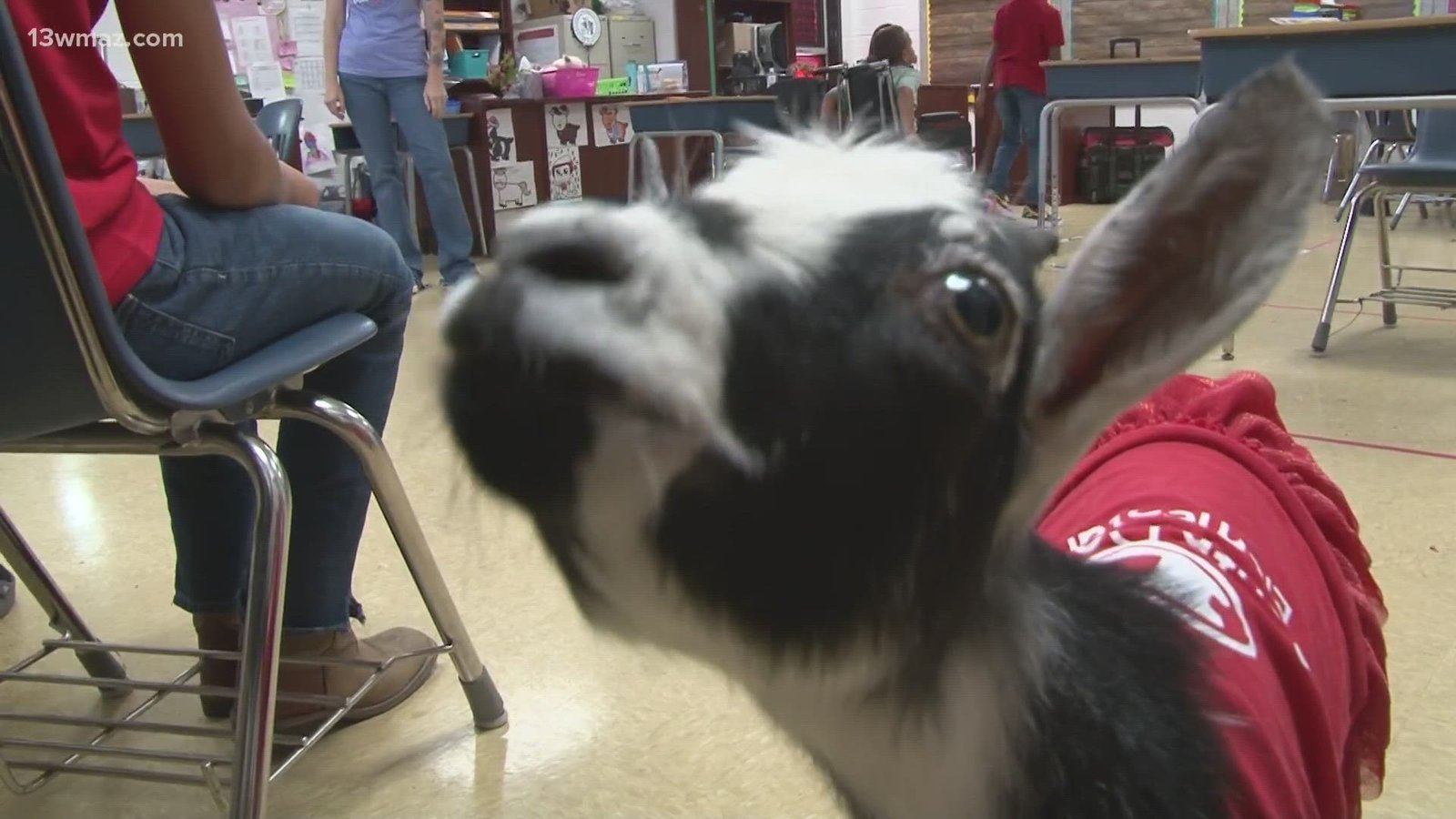
A 2015 report about pupils sharing school grounds with roaming animals in Otumara, Lagos, raised questions about fencing, sanitation and maintenance. Lagos schools also use livestock in organised agricultural lessons, making it important to distinguish managed school farms from uncontrolled animal access to classrooms.

Key Highlights
- A 2015 report documented animals roaming around schools in Otumara, Ebute Metta West.
- The report also described overcrowding, poor sanitation, flooding risks and dilapidated classrooms.
- Lagos has since undertaken public-school rehabilitation projects, including the Tolu Schools Complex.
- Agricultural programmes use livestock, including goats, as practical teaching tools.
- Fencing, sanitation and ongoing maintenance remain central to a safe learning environment.
What the Otumara Report Documented
In May 2015, Vanguard reported on Banjo Primary School, Ebenezer Primary School and Ogbo Junior High School in the Otumara community of Ebute Metta West. The report described domestic animals roaming around school grounds and pupils mixing with them.
It also described accumulated refuse, overgrown weeds, flooding risks and deteriorating classroom blocks. At the time, Banjo Primary School reportedly had six teachers serving more than 500 pupils. Those details describe the conditions reported in 2015 and should not be read as a current assessment of the schools.
Public-School Infrastructure and Recent Upgrades
The Otumara account highlighted how inadequate perimeter fencing, sanitation and building maintenance can affect pupils’ learning environment. It is one reported case, not evidence that animals regularly enter Lagos classrooms today.
Lagos authorities have reported a series of rehabilitation and construction projects. In March 2025, the chairman of the Special Committee on Rehabilitation of Public Schools said the state had built or renovated more than 4,000 classrooms since 2019. That figure was the committee chairman’s account, as reported by Radio Nigeria Lagos.
The Tolu Schools Complex in Ajegunle was remodelled and commissioned in April 2026. It comprises 31 secondary schools and five primary schools, according to Channels Television’s report on the commissioning.
Community and civil-society projects also contribute to school improvements. In September 2026, Slum2School Africa commissioned a renovated public-school project in Makoko with classroom, library, STEM and sanitation upgrades, The Guardian reported.
Goats as Part of Agricultural Education
Not every goat seen on school grounds signals neglect. The Lagos Agricultural Scholars’ Programme (LASP) gives students practical exposure to farming. A 2025 programme notice described activities including goat and poultry rearing, aquaculture and vegetable production in secondary schools and correctional facilities.
In a supervised school farm, livestock can help students learn animal husbandry, feeding, hygiene and farm management. Such a project is different from an animal entering a classroom or roaming freely through a school compound.
Why School Fencing and Maintenance Matter
Secure boundaries can help control access to school premises, while regular maintenance can address damaged structures, unmanaged vegetation and sanitation problems. Those basic measures support a safer setting for pupils and teachers, whether or not a school runs an agricultural project.
Major construction programmes and community partnerships can improve facilities, but schools also need routine upkeep after projects are completed. Reports from individual communities can draw attention to specific problems without representing every Lagos school.
Read also:
- FG Says N2trn Needed to Fix 115 Federal Unity Colleges After 40 Years of Neglect
- September 14 Resumption: Are Nigerian Schools Ready as Security Fears Persist?
- Lagos State Government Unveils Digitized Classrooms in Lagos
- DOU Business School Set for Take-Off as Committee Submits Report
- World Teachers’ Day: FG to Reward Outstanding Teachers With Cars, Laptops, Bus
The Wider Question for Lagos Schools
The discussion around goats in Lagos classrooms brings together two distinct issues: the condition of school infrastructure and the value of practical agricultural education. Managed livestock projects can teach useful skills; uncontrolled access to learning spaces points to a need for attention to boundaries and maintenance.
For more education updates, follow us on X.