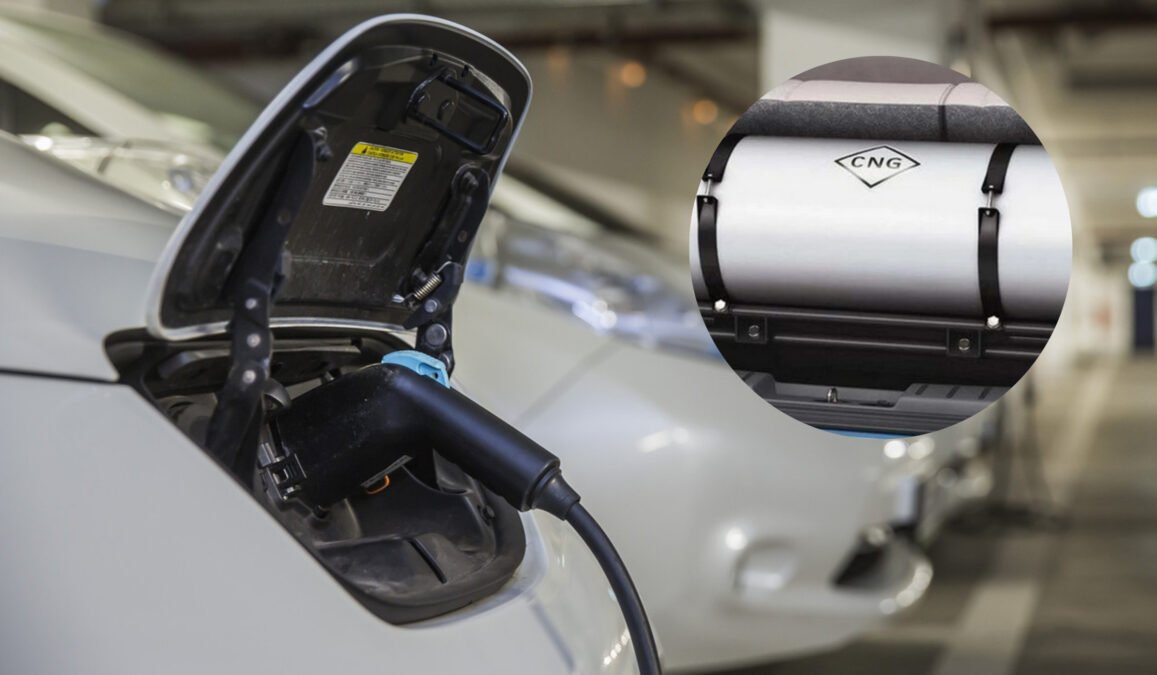
The Nigeria Customs Service (NCS) has commenced the implementation of new fiscal guidelines granting Import Duty and Value Added Tax (VAT) exemptions on the importation of specified compressed natural gas (CNG), liquefied petroleum gas (LPG) and electric vehicles into Nigeria.
The tax incentives, introduced under the Federal Government’s Presidential Gas for Growth Initiative, apply to eligible vehicles and equipment that meet conditions prescribed by the Federal Ministry of Finance.
Announcing the development on Friday, the Comptroller-General of Customs, Bashir Adewale Adeniyi, through the National Public Relations Officer, Deputy Comptroller Abdullahi Maiwada, said the exemption is targeted at accelerating the country’s transition to cleaner energy sources.

According to the Customs spokesperson, the eligible imports include 100 per cent CNG-powered vehicles, 100 per cent LPG-powered vehicles, pure electric vehicles, and Extended Range Electric Vehicles (EREVs) with a minimum electric driving range of 200 kilometres.
The exemption also covers CNG and LPG conversion kits for petrol and diesel vehicles, tricycles and motorcycles certified for resale by the Federal Ministry of Finance, as well as semi-trailers fitted with skid-mounted CNG, LPG and Liquefied Natural Gas (LNG) storage tanks designed for gas distribution.
Maiwada, however, clarified that importers seeking to benefit from the waiver must first obtain an Import Duty Exemption Certificate (IDEC) from the Federal Ministry of Finance and comply with all other applicable import regulations.
He noted that the incentives do not apply to all alternative-fuel vehicles.
According to the NCS, hybrid electric vehicles, including electric-petrol and electric-diesel variants, dual-fuel internal combustion engine vehicles configured for CNG/petrol or CNG/diesel operations, luxury vehicles valued at $100,000 and above, and CNG vehicles converted abroad without factory-fitted CNG capability remain subject to Import Duty and VAT.
Read also:
- Customs Releases Final List For 2025 Recruitment Exercise
- Kano/Jigawa Customs Area Command Generates N63.08bn Revenue In 6 Months
- Customs Intercept N273. 6m Contraband In Cross River, Akwa Ibom
Also excluded from the exemption are semi-trailers and flatbeds that are not self-propelled, as well as spare parts of all categories.
The Customs Service said the guidelines form part of the Federal Government’s broader strategy to promote cleaner transportation, reduce reliance on petrol and diesel, and encourage investment in alternative energy infrastructure.
According to the agency, the policy is expected to lower transportation and energy costs, attract investment into Nigeria’s clean-energy sector and strengthen the country’s energy security.
The NCS urged importers, licensed customs agents and other stakeholders involved in the importation of eligible vehicles and equipment to comply with the new guidelines.
Related Stories: