The Nigerian Meteorological Agency (NiMet) has issued a flash flood warning for 27 states, cautioning residents to prepare for heavy rainfall expected between July 1 and July 10.
Key Highlights:
- NiMet issued a flash flood alert for 27 states.
- Heavy rainfall is expected from July 1–10.
- Flooding could disrupt transport, power and farming.
- Residents should clear drains and avoid floodwaters.
- Emergency agencies have been urged to prepare.
According to the agency, weeks of persistent rain in June have left the ground saturated, reducing its ability to absorb more water and increasing the likelihood of flash floods, particularly in low-lying, coastal, urban and poorly drained communities.

States identified as being at risk include Lagos, Ogun, Oyo, Osun, Ekiti, Kogi, Kwara, Kaduna, Katsina, Kebbi, Sokoto, Zamfara, Borno, Adamawa, Taraba, Plateau, Nasarawa, Delta, Edo, Abia, Imo, Anambra, Enugu, Akwa Ibom, Cross River, Rivers and Bayelsa.
Read Also:
- NiMet issues nationwide thunderstorm alert as Lagos, Abuja, Rivers, Kano, other states face heavy rainfall
- NiMet, Singapore Meteorological Service explore AI, aviation research collaboration
- NiMet, CBN sign landmark data-sharing agreement to boost economic planning
NiMet warned that the expected downpours could disrupt transportation through flooded roads, traffic congestion and temporary road closures.
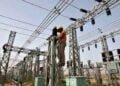
It also noted that power and telecommunications services could be affected, while poor visibility during heavy rain may pose risks to motorists and aviation operations.
The agency further cautioned that excessive rainfall could damage roads, bridges and drainage infrastructure, waterlog farmlands leading to crop losses, and increase the risk of waterborne diseases due to stagnant floodwaters.
To reduce the impact, NiMet advised residents to monitor official weather updates, clear blocked drains and waterways, secure loose outdoor items, reinforce vulnerable structures, and avoid driving or walking through floodwaters.
The agency also urged the National Emergency Management Agency (NEMA), State Emergency Management Agencies (SEMAs), community leaders and other stakeholders to strengthen preparedness and response efforts, stressing that early action remains the most effective way to minimise the impact of flash flooding.