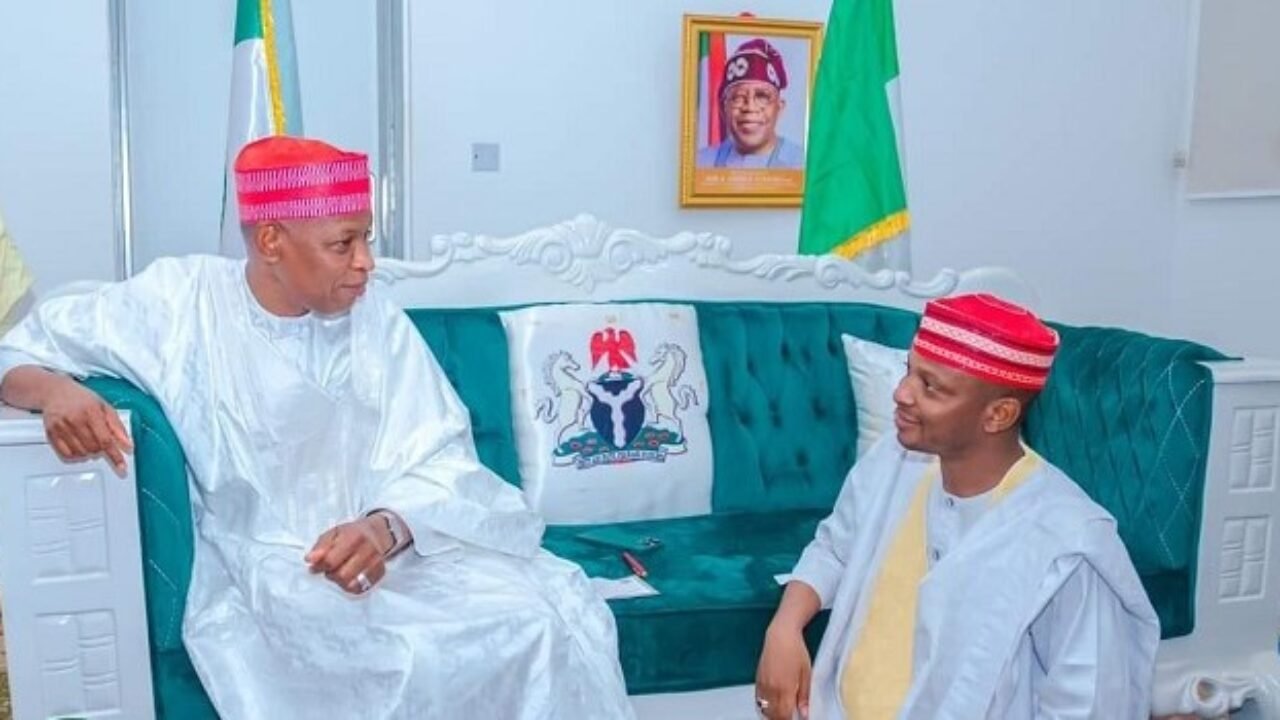
Mustapha Rabiu Kwankwaso, son of former Kano State Governor Rabiu Musa Kwankwaso, has emerged as the deputy governorship candidate of the New Democratic Congress (NDC), a development already generating political discussions across Kano State and beyond.
Key Highlights:
- Kwankwaso son, Mustapha Rabiu Kwankwaso, emerges NDC deputy governorship candidate
- Announcement made by Rabiu Kwankwaso’s spokesperson, Saifullahi Hassan
- Nomination followed a stakeholders’ meeting chaired by the former Kano governor
- Mustapha previously served in Kano State Executive Council
- Development comes amid shifting political alliances in Kano
- Decision expected to fuel debate over political succession and influence
The nomination was announced by the elder Kwankwaso’s spokesperson, Saifullahi Hassan, in a brief statement shared on social media.

“Congratulations to His Excellency Mustapha Rabiu Kwankwaso on emerging as the NDC Deputy Gubernatorial Candidate,” Hassan stated.
The announcement followed a stakeholders’ meeting reportedly chaired by former Kano State Governor Rabiu Musa Kwankwaso at his Miller Road residence in Kano.
The emergence of the Kwankwaso son as deputy governorship candidate is expected to attract attention from political observers, particularly given the influence of the Kwankwasiyya movement in Kano politics.
Read also:
- Remi Tinubu’s remarks on marriage, politics spark debate on X
- Kenneth Okonkwo releases evidence of Obi, NDC leaders demanding payments from aspirants
- Windstorm topples power tower in Adamawa, leaves communities in darkness
Mustapha Kwankwaso and his principal, Abdulsalam, were previously members of the Kano State Executive Council under Governor Abba Yusuf before political developments triggered a major reshuffle in the administration earlier this year.
The political landscape in Kano changed significantly after Governor Yusuf, who was elected on the platform of the New Nigeria People’s Party (NNPP), defected to the ruling All Progressives Congress (APC).
Following the governor’s defection, several appointed officials and political loyalists were forced to choose between remaining with the administration or aligning with the political structure led by Rabiu Musa Kwankwaso.
Political analysts say the nomination of the Kwankwaso son could further strengthen the influence of the former governor within Kano’s evolving political environment, while also reigniting conversations about political succession, loyalty, and the future of opposition politics in the state.
As preparations for upcoming elections intensify, stakeholders will be watching closely to see how the new ticket performs and whether the Kwankwasiyya political movement can maintain its relevance amid shifting alliances and growing competition.