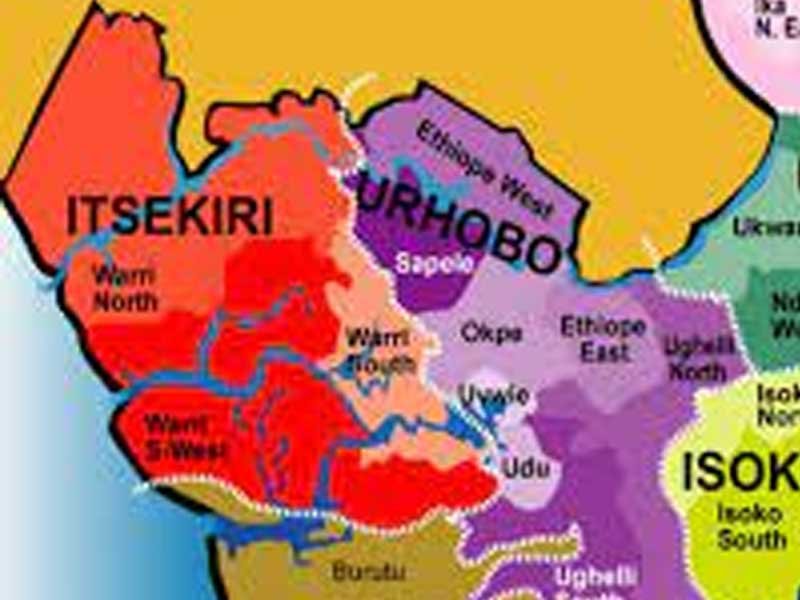
Growing tensions over the Independent National Electoral Commission’s (INEC) proposed ward and polling unit delineation in the Warri Federal Constituency have heightened concerns about the possibility of renewed ethnic conflict in Delta State, following a series of inflammatory remarks by some Itsekiri leaders and youths opposing the exercise.
The controversy, which has generated sharp divisions among the Itsekiri, Ijaw and Urhobo ethnic nationalities, escalated in recent days after prominent Itsekiri leaders appeared on national television to reject INEC’s delineation report, alleging that the exercise was manipulated to favour the Ijaw people and diminish the political influence of the Itsekiri nation in Warri.
During the television appearances, the leaders accused INEC of ceding historically Itsekiri communities to the Ijaw through the delineation process and insisted that the report would not be accepted. They warned that their people were prepared to resist the implementation of the exercise and declared that they were ready for “whatever consequences” might arise if INEC proceeded with the report.

The comments have generated widespread concern because of references made to the bloody Warri ethnic conflicts of the late 1990s and early 2000s, which claimed hundreds of lives and displaced thousands of residents across the oil-rich region. Some of the leaders suggested that the Itsekiri people would not back down from a confrontation, a statement many observers have interpreted as a dangerous signal amid the already tense atmosphere.
The situation became more alarming after videos surfaced on social media showing some Itsekiri youths echoing the position of their leaders. In the videos, the youths openly threatened resistance to the implementation of the delineation report and made claims about their preparedness for any conflict that could arise from the dispute.
The videos, which have been widely circulated across social media platforms, have further heightened anxiety among residents of Warri and neighbouring communities, many of whom still remember the devastation caused by previous ethnic clashes in the area.
Political observers and security analysts have warned that such rhetoric, if left unchecked, could inflame passions among rival groups and trigger retaliatory statements capable of escalating tensions. They noted that communal conflicts often begin with verbal threats, ethnic mobilisation and inflammatory propaganda before degenerating into violence.
The Warri delineation dispute arose from a Supreme Court judgment directing INEC to conduct a fresh delineation of electoral wards and polling units in Warri South, Warri North and Warri South-West Local Government Areas. While some groups have welcomed the outcome of the exercise, the Itsekiri nation has maintained strong opposition, insisting that the report does not reflect historical realities and existing community structures.
Amid the growing controversy, pressure is mounting on the Federal Government and the Delta State Government to intervene before the situation deteriorates further. Stakeholders have argued that the increasing use of confrontational language by influential figures and youth groups represents an early warning sign that should not be ignored.
Read also:
- Ijaw, Urhobos protest Presidency’s alleged interference on INEC’s delineation of Warri Federal Constituency
- INEC Chairman Joash Amupitan says faith guided decision to accept appointment
- Minister reaffirms FG’s commitment to poverty reduction
Concerned residents have also called on traditional rulers, community leaders and political actors across the affected ethnic nationalities to embrace dialogue and avoid statements capable of inciting violence. According to them, preserving peace in Warri should take precedence over political and ethnic disagreements.
Security agencies are also being urged to closely monitor developments in the area, particularly the circulation of threatening messages on social media, while intensifying intelligence gathering to prevent any breakdown of law and order.
With memories of the Warri crisis still fresh in many communities, observers believe the coming weeks will be crucial. They warn that unless urgent steps are taken to de-escalate tensions, build confidence among stakeholders and encourage constructive engagement, the current dispute over delineation could evolve into a much broader security challenge with implications for Delta State and the wider Niger Delta region.