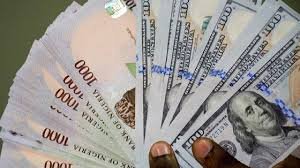
The naira recorded a modest appreciation against the United States dollar on Wednesday, May 13, 2026, amid signs of improving foreign exchange liquidity across the market.
At the official Nigerian Foreign Exchange Market (NFEM), the naira traded at approximately ₦1,373/$1, reflecting a slight improvement compared to the previous trading session where the dollar exchanged around ₦1,375.

Key Highlights:
- The naira appreciated slightly to about ₦1,373/$1 at the official market.
- The dollar traded between ₦1,395 and ₦1,405 at the parallel market.
- Analysts linked the gain to improved forex liquidity and CBN interventions.
- Speculative demand for dollars reportedly declined slightly.
- The gap between official and black market rates narrowed to about ₦20–₦30.
The latest movement indicates mild stability within the official forex window as market participants continue to monitor interventions by the Central Bank of Nigeria (CBN).
Meanwhile, at the parallel market, popularly known as the black market, the dollar exchanged between ₦1,395 and ₦1,405 across major commercial hubs including Lagos, Abuja, and Port Harcourt.
Read Also:
- Naira records slight stability against dollar at official, parallel markets
- Court admits additional exhibits in alleged naira redesign case against Emefiele
- Naira trades steady against Dollar as black market rate hits ₦1,400
Currency traders noted that the black market rate also showed slight improvement compared to figures recorded earlier in the week.
Financial analysts attributed the naira’s stronger performance to increased foreign exchange inflows into the official market and sustained efforts by the Central Bank of Nigeria to stabilise the local currency.
Experts further observed that speculative demand for dollars appeared to reduce slightly, helping the naira maintain a firmer position across both the official and parallel market segments.
The gap between the official exchange rate and the black market rate reportedly narrowed to about ₦20–₦30 per dollar, a development many traders described as a positive signal for market confidence and exchange rate convergence.
Market activity at the NFEM window also witnessed stronger participation from authorised dealers and forex traders, despite continued pressure from demand for foreign currency for imports, school fees, travel expenses, medical payments, and other international transactions.
Economic observers say the coming weeks will be crucial in determining whether the naira can sustain the recent stability amid persistent demand for foreign exchange and broader economic challenges.